


US–Iran Talks In Pakistan? White House Calls Reports ‘Speculation’ Amid Rising Tensions


The conflict between the United States and Iran continues to evolve rapidly, with both diplomatic signals and military movements shaping the situation. While there are reports of possible talks in Pakistan, official confirmation remains unclear. At the same time, military deployments and fresh attacks in the region are raising concerns about a wider escalation.

AI-generated summary, reviewed by editors
Reports of Possible Talks in Pakistan
Germany's Foreign Minister Johann Wadephul recently indicated that representatives from the United States and Iran may soon meet in Pakistan. According to him, there have already been indirect contacts, and preparations for direct talks are underway.
The proposed meeting is seen as an attempt to reduce tensions and explore a possible ceasefire. Pakistan is reportedly playing a key role as a mediator between the two sides.
However, the United States has not confirmed this development. White House Press Secretary Karoline Leavitt dismissed the reports as "speculation," stating that nothing should be considered official unless formally announced.
Conflicting Proposals for Ceasefire
The US has reportedly shared a 15-point proposal with Iran aimed at ending the conflict. The key points include:
- Restrictions on Iran's nuclear programme
- Reopening of the strategically important Strait of Hormuz
- Steps toward de-escalation in the region
Iran, however, has rejected the proposal, calling it unfair. Instead, it has offered its own five-point plan, which includes:
- Recognition of its sovereignty over the Strait of Hormuz
- Financial reparations
- Security guarantees
These opposing demands highlight how far apart the two sides remain, making negotiations difficult.
Pakistan's Growing Role in Diplomacy
Pakistan has emerged as an important intermediary in this crisis. Reports suggest that the country's military leadership, particularly Army Chief Asim Munir, has been actively involved in behind-the-scenes diplomacy.
By acting as a bridge between Washington and Tehran, Pakistan is trying to create space for dialogue. However, success will depend on whether both sides are willing to compromise.
Military Build-Up Raises Concerns
Even as talks are being discussed, the United States is strengthening its military presence in the region.
Around 2,500 US Marines are moving closer to the Middle East
Nearly 1,000 paratroopers from the 82nd Airborne Division have been deployed
Additional support units and commanders are also being sent
These forces are trained for rapid operations, including securing key locations such as airfields. This suggests that the US is preparing for multiple scenarios, including possible military action.
The dual approach-talks alongside troop deployment-shows that Washington is keeping both diplomatic and military options open.
Israel-Iran Conflict Intensifies
The situation has become more complex with Israel launching fresh strikes on targets inside Iran, including areas in Tehran. These attacks come ahead of a United Nations Security Council meeting on the issue.
At the same time:
- Iran has launched drones and missiles toward Gulf countries like the UAE and Kuwait
- Air raid sirens have been reported in Israel
- Smoke was seen rising over parts of Beirut
These developments indicate that the conflict is no longer limited to just two countries but is affecting the wider region.
Global Economic Impact
The ongoing conflict is also affecting global markets:
- Oil prices have surged sharply, with Brent crude crossing $107 per barrel
- Stock markets in Asia have shown declines
- Investors are worried about supply disruptions, especially through the Strait of Hormuz
Since a large portion of the world's oil passes through this route, any disruption can have serious global consequences.
United Nations Steps In
The United Nations Security Council is set to hold closed-door discussions on the crisis. The meeting was reportedly requested by Russia, focusing on concerns about attacks on civilian infrastructure.
The outcome of these discussions could influence international efforts to reduce tensions and push for peace.
Uncertainty Over the Path Ahead
Despite reports of possible dialogue, there is still no clear direction for peace. The US insists that progress is being made, while Iran remains cautious and critical of American proposals.
The involvement of senior US leaders, including Vice President JD Vance, signals the importance of the situation. At the same time, disagreements over negotiation channels and representatives continue to complicate matters.
-
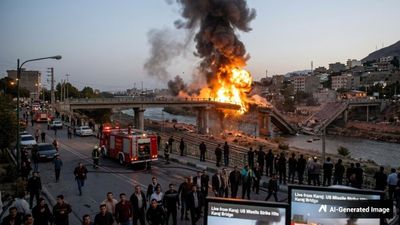 Iran Names 8 Gulf, Jordan Bridges as Possible Targets After Deadly Karaj Strike
 -
 US-Sanctioned Iranian Tanker Diverts from India to China Mid-Voyage
 -
 'Behind Enemy Lines' For Real: F15 US Pilot Rescue Unfolds Deep Inside Iran
 -
 How Iran Brought Down US Military A-10 ‘Warthog’: IRGC Releases Video
 -
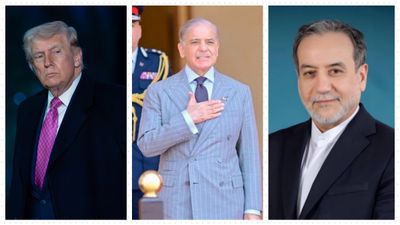 Iran Snubs Pakistan’s Peacemaker Pretensions, Refuses To Meet US Officials In Islamabad
 -
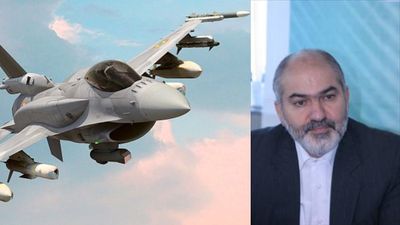 US Confirms Fighter Jet Downed Over Iran, Tehran Announces Reward For Those Who Find Crew
 -
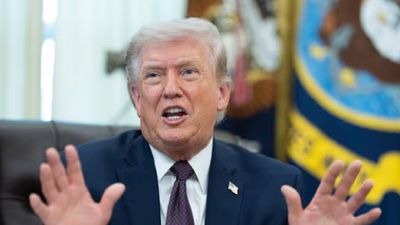 Donald Trump Issues Fresh 48-Hour Ultimatum to Iran Over Hormuz Standoff
 -
 ‘Habitual Liars’: PM Targets Congress and Left in Fiery Speech Over Kerala Story, Dhurandhar False Claims
 -
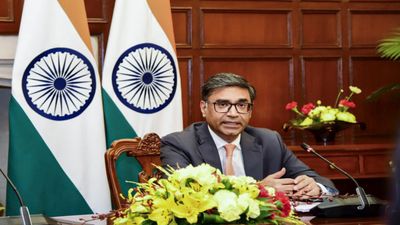 We're The Only Country To Lose Mariners At Strait of Hormuz: India At UK-led West Asia Meet On Iran Crisis
 -
 INS Taragiri To Join Indian Navy Fleet, Boosting Maritime Power
 -
 Centre Plans ₹2.5 Lakh Crore Credit Shield for Businesses Facing Iran Conflict Fallout
 -
 Has Pakistan Lifted The Ban on Dhurandhar 2? Find Out The Truth



 Click it and Unblock the Notifications
 Sign in with Google