


Trump Signals US Exit from Iran Within Weeks, Shifts Focus from Diplomacy to Military Goals
The article reports on President Trump’s hints of a rapid US withdrawal from Iran, its potential impact on the US Iran war, regional stability, and global energy markets, and outlines differing views among regional and international partners.


US President Donald Trump has said American forces in Iran may wrap up operations within weeks, hinting that Washington is nearing the end of its campaign even without a formal understanding with Tehran, and suggesting a shift towards withdrawal after months of heavy military engagement.

AI-generated summary, reviewed by editors
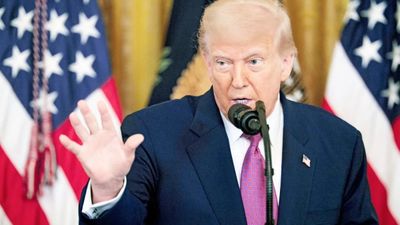
Trump gave the timeline while answering questions at the White House. The US president stated that the United States would be "leaving very soon", estimating a period of "within two weeks, maybe two weeks, maybe three." Trump added that US troops were "finishing the job" before exiting Iran.
Trump exit timeline reshapes narrative on US-Iran war
The latest remarks arrive one day before a planned address, where the White House has said Trump will present a "significant update" on the Iran war. Officials have not shared details of the announcement, but the president’s language points to a possible wind-down of direct US involvement.
The war began on February 28 and has unsettled the wider Middle East, disrupting trade routes and deepening political rivalries. Despite earlier warnings of stronger action, Trump now appears focused on an exit plan, even as live coverage and analyses continue to track developments in the US-Iran war daily.
Deal conditions and military goals in US-Iran war
Trump stressed that any end to US operations is not tied to reaching a diplomatic accord with Tehran. "They don't have to make a deal with me," Trump said, explaining that the decision to withdraw would depend on assessments of Iran’s nuclear strength and strategic capacity.
Trump outlined the military objective in stark terms, saying, "When we feel that they are… put into the stone ages and they won't be able to come up with a nuclear weapon, then we'll leave," signalling that Washington is prioritising battlefield outcomes over a negotiated settlement in the US-Iran war.
Earlier, Trump linked a US pullout to global fuel markets, stating, "All I have to do is leave Iran, and we'll be doing that very soon, and they'll come tumbling down." The comment tied American military decisions in the US-Iran war to worldwide energy prices and economic pressures.
Fighting, however, continues across the region. Explosions were reported in Tehran on Wednesday, while Iranian-linked groups were blamed for strikes on Gulf infrastructure, including a drone attack that triggered a fire at Kuwait's main airport. These incidents highlight that the US-Iran war remains active despite talk of a US withdrawal.
Tensions with partner nations also persist. Trump has urged countries that rely on oil shipments through the Strait of Hormuz to "get your own oil," signalling a reduced American role in securing key maritime routes, even as the US-Iran war affects shipping and insurance costs in those waters.
The debate over future strategy has exposed differences with Israel. Prime Minister Benjamin Netanyahu has committed to maintaining Israel’s offensive against Iran regardless of any US drawdown. "The campaign is not over… we will continue to crush the terror regime," Netanyahu said, indicating that Israel may keep attacking even if US forces pull back.
There are additional strains with Iran’s leadership on other fronts. Tehran has warned that Iranian authorities will target selected US companies in West Asia starting April 1, listing Microsoft, Google and Apple among 18 firms named as possible targets, a threat that adds economic risk to the military dimension of the US-Iran war.
Within Washington, there is support for Trump’s tough stance. US defence secretary Pete Hegseth has called the coming period "decisive", while also stating that further military moves remain possible before any full withdrawal, underlining that the course of the US-Iran war is not yet settled on the ground.
Iranian President Masoud Pezeshkian has offered a conditional response, saying Tehran has the "necessary will" to end the war if credible guarantees can stop fresh escalation. As both sides weigh next steps, Trump’s schedule for leaving Iran and ongoing regional clashes keep the future of the US-Iran war uncertain but closely watched.
-
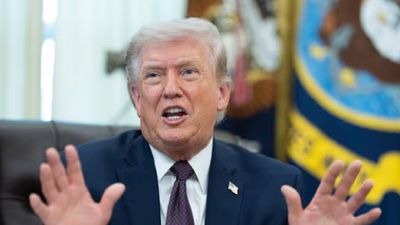 Donald Trump Issues Fresh 48-Hour Ultimatum to Iran Over Hormuz Standoff
 -
 What Happened Last Time Iran Held US Personnel: The 2016 Detention That Still Haunts Washington
 -
 Has Pakistan Lifted The Ban on Dhurandhar 2? Find Out The Truth
 -
 US Pilot Reportedly Ejects In Southwest Iran Amid Fresh Iranian Claims Of F-35, F-15E Downing
 -
 We're The Only Country To Lose Mariners At Strait of Hormuz: India At UK-led West Asia Meet On Iran Crisis
 -
 Iran Names 8 Gulf, Jordan Bridges as Possible Targets After Deadly Karaj Strike
 -
 INS Taragiri To Join Indian Navy Fleet, Boosting Maritime Power
 -
 Centre Plans ₹2.5 Lakh Crore Credit Shield for Businesses Facing Iran Conflict Fallout
 -
 US Confirms Fighter Jet Downed Over Iran, Tehran Announces Reward For Those Who Find Crew
 -
 US-Sanctioned Iranian Tanker Diverts from India to China Mid-Voyage
 -
 We’re In War: Donald Trump Says US Aircraft Loss Won’t Derail Iran Talks
 -
 Iran Snubs Pakistan’s Peacemaker Pretensions, Refuses To Meet US Officials In Islamabad



 Click it and Unblock the Notifications
 Sign in with Google