


Oil Prices Surge Past $115 as Middle East Tensions Rattle Asian Markets


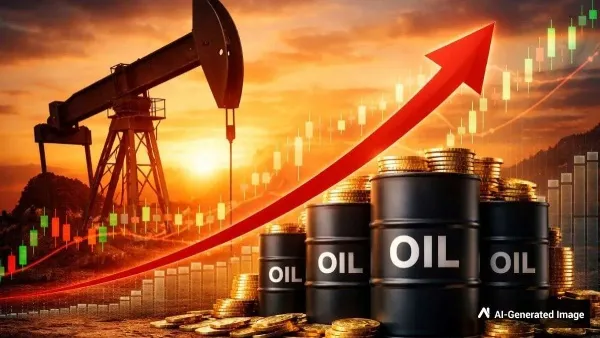
Global oil prices surged sharply on Monday, crossing the $115-per-barrel mark, as escalating tensions in the Middle East rattled energy markets and triggered a sell-off across Asian stock markets.
Brent Crude, the global benchmark for oil, rose more than 3% to trade above $115 per barrel, while West Texas Intermediate (WTI), the US crude benchmark, climbed to around $103 after posting similar gains. The rally has put oil on course for one of its strongest monthly increases in recent years, highlighting growing concerns over global energy supplies.
AI-generated summary, reviewed by editors
The sharp rise in oil prices comes amid fears that the widening conflict in the Middle East could disrupt key shipping routes used for transporting energy supplies. Over the weekend, Iran-backed Houthi Movement rebels in Yemen reportedly launched strikes targeting Israel, intensifying regional tensions and raising concerns about the safety of vital maritime routes.
Energy markets are particularly worried about the security of the Red Sea shipping corridor, a crucial route for global trade and oil shipments. Analysts warn that continued attacks by Houthi forces could disrupt tanker movement through the region. At the same time, instability around the Strait of Hormuz-a critical chokepoint for global oil transport near Iran-has added to supply fears.
As a result, stock markets across Asia reacted negatively to the spike in energy prices and rising geopolitical risks. Investors moved cautiously, worried that prolonged tensions could further push up fuel costs and disrupt global trade.
Some analysts estimate that if shipping routes through the Red Sea face significant disruption, Brent crude prices could surge further, potentially approaching $130 per barrel in the coming weeks.
Higher oil prices could have far-reaching consequences for the global economy. Rising fuel costs are likely to add to inflationary pressures worldwide, increasing the burden on households and businesses alike. Economists also warn that sustained energy price shocks could slow economic growth, as higher transportation and production costs ripple through the global economy.
With geopolitical tensions showing little sign of easing, energy markets and financial investors are expected to remain on edge in the coming weeks.
-
 Petrol Price India Vs Pakistan: Why Fuel Is Cheaper In India Than Pak Despite Global Crisis
 -
 New OTT Release This Week In Telugu, Hindi, Tamil, Marathi, Malayalam: 40 Movies & K Dramas To Watch
 -
 Gold Silver Rate Today, 3 April 2026: City-Wise Prices, MCX Gold Down, Silver Slides Amid Global Pullback
 -
 Gold Rate Today 3 April 2026: Latest IBJA Rates, Tanishq, Kalyan Jewellers, Malabar, Joyalukkas 22K Prices
 -
 Earthquake Tremors Felt In Delhi-NCR, Parts Of North India After 5.9-Magnitude Afghanistan Quake
 -
 Baba Vanga Prediction 2026: World War 3, UFOs, Cash Crash, Truth About Nostradamus of the Balkans Claims
 -
 Iran Shoots Down Second US F-35 Fighter Jet, Pilot Survival Unlikely
 -
 Biker Movie Review: What's Good, What's Bad In Sharwanand's Telugu Film?
 -
 Kerala Pre-Poll Survey: Can LDF Retain Power In Keralam? Check This Opinion Poll
 -
 Annamalai Missing from BJP’s List for Candidates For Tamil Nadu Polls - See 27 Names
 -
 US-Iran War: The End of Invisibility? How Iran May Be Seeing the 'Unseeable' F-35
 -
 US Pilot Reportedly Ejects In Southwest Iran Amid Fresh Iranian Claims Of F-35, F-15E Downing



 Click it and Unblock the Notifications
 Sign in with Google