


Indian Worker Killed In Kuwait After Iranian Strike Hits Power Plant Amid Rising Gulf Tensions


The ongoing conflict in West Asia continues to take a heavy toll, with civilians and workers increasingly caught in the crossfire. In a tragic development, an Indian worker lost his life after an Iranian strike hit a power and water desalination plant in Kuwait. The incident highlights the growing dangers faced by foreign workers in the region as tensions rise.

AI-generated summary, reviewed by editors
Deadly Strike on Critical Infrastructure
According to Kuwait's Ministry of Electricity and Water, the attack targeted a key facility responsible for power generation and water desalination.
The strike not only caused structural damage but also led to the death of an Indian national working at the site.
A ministry spokesperson confirmed that a service building within the plant was hit during what was described as an act of Iranian aggression. The impact resulted in "significant material damage" and claimed the life of the worker.
This attack underscores how critical infrastructure-essential for daily life-is becoming increasingly vulnerable in the ongoing conflict.
Emergency Response and Rescue Efforts
Authorities acted quickly after the strike. Emergency protocols were activated immediately, and technical teams along with rescue personnel were rushed to the site.
- Officials worked to:
- Control the damage
- Ensure continuity of power and water supply
Secure the affected area
The ministry also stated that coordination with security agencies and other departments is ongoing to prevent further risks and maintain stability in the region.
No Official Response from India Yet
As of now, there has been no official statement from the Indian Embassy or the Ministry of External Affairs regarding the death of the worker.
Since the conflict began, the number of Indian casualties in West Asia has continued to rise. Reports suggest that at least seven Indian nationals have been killed so far, with one person still missing.
This raises serious concerns about the safety of Indian citizens working in high-risk zones across the Gulf.
Rising Tensions Across the Gulf
The broader situation in West Asia remains highly volatile. The conflict has now stretched over a month, with no clear signs of de-escalation.
Recent airstrikes have reportedly caused power outages in parts of Tehran and nearby areas. At the same time, an Iranian official has claimed that the United States may be preparing for a possible ground operation, despite publicly expressing openness to diplomatic talks.
These developments have further heightened fears of a wider regional war.
Kuwaiti Soldiers Injured in Fresh Attacks
In a separate but related incident, Kuwait's military reported that ten of its soldiers were injured during a new wave of attacks.
According to official statements:
- 14 ballistic missiles and 12 drones were detected
- Several projectiles struck a military base
- Injured personnel are currently receiving treatment
The attacks indicate an increase in both the scale and intensity of military operations in the region.
Alarming Numbers Highlight Scale of Conflict
The Kuwaiti military revealed that since the conflict began on February 28, the country has faced:
- 307 ballistic missiles
- 616 drones
- 2 cruise missiles
These figures show the massive scale of threats faced by countries in the Gulf.
Meanwhile, the broader conflict-triggered by joint U.S.-Israeli operations-has reportedly resulted in over 1,300 deaths. Iran has responded with retaliatory strikes targeting multiple countries, including Israel, Jordan, and Iraq, as well as Gulf nations hosting U.S. military bases.
Impact on Civilians and Global Stability
Beyond the immediate casualties and damage, the conflict is having wider consequences:
- Disruption to global aviation routes
- Instability in international markets
- Increased risks to migrant workers
The death of the Indian worker is a stark reminder that ordinary people, far removed from political decisions, are often the ones who pay the highest price.
As the West Asia conflict intensifies, the risks to civilians, workers, and critical infrastructure continue to grow. The tragic loss of an Indian worker in Kuwait highlights the urgent need for de-escalation and stronger safety measures for those living and working in conflict zones.
With tensions rising and no clear resolution in sight, the international community faces increasing pressure to act before the situation spirals further out of control.
-
 Gold Rate Today 3 April 2026: Latest IBJA Rates, Tanishq, Kalyan Jewellers, Malabar, Joyalukkas 22K Prices
 -
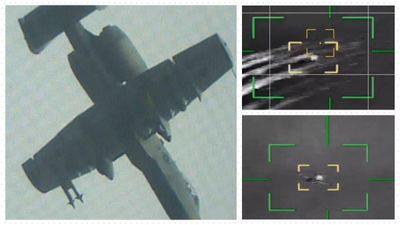 How Iran Brought Down US Military A-10 ‘Warthog’: IRGC Releases Video
 -
 Donald Trump Issues Fresh 48-Hour Ultimatum to Iran Over Hormuz Standoff
 -
 What Happened Last Time Iran Held US Personnel: The 2016 Detention That Still Haunts Washington
 -
 Gold Silver Rate Today, 5 April 2026: Check City-Wise Gold, Silver Prices Amid MCX Movement
 -
 Gold Rate Today 5 April 2026: Check IBJA 24K, 22K Gold Rates, Tanishq, Kalyan, Malabar, Joyalukkas Prices
 -
 Dehradun Hosts Grand Opening of Doon Book Festival; 26 Regional Titles Released
 -
 ‘Habitual Liars’: PM Targets Congress and Left in Fiery Speech Over Kerala Story, Dhurandhar False Claims
 -
 We're The Only Country To Lose Mariners At Strait of Hormuz: India At UK-led West Asia Meet On Iran Crisis
 -
 Karnataka 2nd PUC Results On This Date, Check 2nd PUC Result 2026 Karnataka Date And Time
 -
 Hardik Pandya Set For 10 Over ODI Role At 2027 World Cup
 -
 Shashi Tharoor Convoy Stopped in Kerala's Malappuram, Security Personnel Allegedly Assaulted During Campaign



 Click it and Unblock the Notifications
 Sign in with Google