


Gulf Under Fire: How the World Is Reading the US- Iran Escalation


The coordinated U.S.-Israeli strikes on Iran were always going to trigger retaliation. What perhaps few anticipated was the speed and geographic breadth of Tehran's response - and the way it would redraw the security map of the Gulf within hours.
Iran's missile barrages targeting countries hosting American military installations: Bahrain, Qatar, Kuwait and the United Arab Emirates - mark a decisive expansion of the conflict. By declaring U.S. bases and interests across the Gulf as legitimate targets, Tehran has shifted the theatre from a bilateral confrontation to a regional contest of deterrence.
AI-generated summary, reviewed by editors

In Bahrain, a strike near the U.S. Navy's Fifth Fleet headquarters sent plumes of smoke over Manama and jolted a nation long accustomed to strategic tension but not direct impact. In the UAE, missile interceptions were reported, yet falling debris in Abu Dhabi claimed civilian life - a stark reminder that modern warfare rarely remains confined to military perimeters. Qatar activated defences around Al-Udeid Air Base, while Saudi Arabia reported air-defence alerts near Riyadh.
The global implications are immediate. Dubai International Airport - one of the world's busiest aviation hubs - has suspended operations amid widespread Gulf airspace closures. Airlines are rerouting, supply chains are wobbling, expatriate communities are reassessing risk. This is not a contained military exchange; it is a disruption of global connectivity.

Across world capitals, reactions reveal caution rather than alignment. The United Kingdom, France and Germany have condemned Iran's retaliation, reiterated concerns over its nuclear and missile programmes, but stopped short of endorsing the U.S.-Israeli military action. It is diplomacy calibrated to avoid ownership of escalation.
From Washington to Beijing, from New Delhi to Brussels, the conflict is being watched not merely as a Middle East crisis but as a stress test of global order. Energy markets, maritime routes and aviation corridors all intersect here.
The central question is no longer who struck first. It is whether this widening confrontation can be contained before the Gulf - long viewed as a pillar of economic stability - becomes a sustained war zone.
Diplomacy still speaks. But missiles are now answering louder.
-
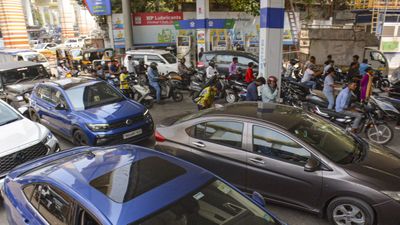 Petrol Price India Vs Pakistan: Why Fuel Is Cheaper In India Than Pak Despite Global Crisis
 -
 New OTT Release This Week In Telugu, Hindi, Tamil, Marathi, Malayalam: 40 Movies & K Dramas To Watch
 -
 Gold Silver Rate Today, 3 April 2026: City-Wise Prices, MCX Gold Down, Silver Slides Amid Global Pullback
 -
 Gold Rate Today 3 April 2026: Latest IBJA Rates, Tanishq, Kalyan Jewellers, Malabar, Joyalukkas 22K Prices
 -
 Earthquake Tremors Felt In Delhi-NCR, Parts Of North India After 5.9-Magnitude Afghanistan Quake
 -
 Baba Vanga Prediction 2026: World War 3, UFOs, Cash Crash, Truth About Nostradamus of the Balkans Claims
 -
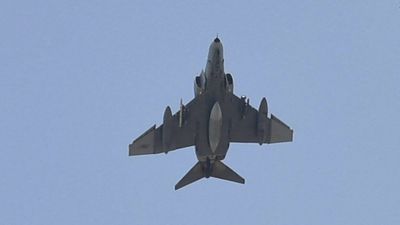 Iran Shoots Down Second US F-35 Fighter Jet, Pilot Survival Unlikely
 -
 Biker Movie Review: What's Good, What's Bad In Sharwanand's Telugu Film?
 -
 Kerala Pre-Poll Survey: Can LDF Retain Power In Keralam? Check This Opinion Poll
 -
 Annamalai Missing from BJP’s List for Candidates For Tamil Nadu Polls - See 27 Names
 -
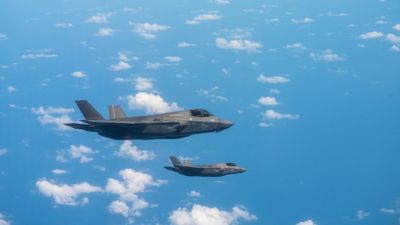 US-Iran War: The End of Invisibility? How Iran May Be Seeing the 'Unseeable' F-35
 -
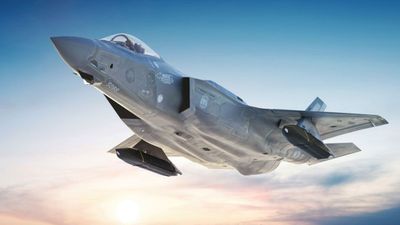 US Pilot Reportedly Ejects In Southwest Iran Amid Fresh Iranian Claims Of F-35, F-15E Downing



 Click it and Unblock the Notifications
 Sign in with Google