


India Doesn’t Have ‘Blanket Arrangement’ With Iran For Ships To Pass Strait of Hormuz: Jaishankar


External Affairs S Jaishankar has said that direct dialogue with Tehran remains the most pragmatic way to ensure the smooth passage of Indian vessels through the Strait of Hormuz, a strategic chokepoint that carries nearly one-fifth of the world's oil trade.
It comes as India has intensified its diplomatic outreach to Iran as tensions in the Middle East threaten global energy flows.
AI-generated summary, reviewed by editors

Speaking to the Financial Times in London, Jaishankar underlined that New Delhi's engagement with Iran is already producing tangible outcomes. He argued that India's approach of "reasoning and coordinating" with Tehran is more effective than disengagement, particularly at a time when global powers are considering military measures to secure the waterway.
Case-by-Case Successes
Jaishankar pointed to the recent transit of two Indian-flagged tankers, Shivalik and Nanda Devi, as evidence of progress. Together, the vessels are transporting over 92,000 metric tonnes of liquefied petroleum gas (LPG) to the ports of Mundra and Kandla in Gujarat. While this marks a significant achievement, the Minister clarified that India has not yet secured a blanket arrangement for all its ships. Instead, permissions are being negotiated on a case-by-case basis, reflecting the delicate nature of the ongoing talks.
The Indian strategy comes against the backdrop of heightened rhetoric from Washington. US President Donald Trump has warned of possible strikes on Iran's Kharg Island and urged allies such as China, France, Japan, South Korea, and Britain to deploy naval forces to safeguard shipping routes.
While many Western nations are weighing military options, India has chosen to rely on sustained diplomacy, mindful of its heavy dependence on energy imports. Jaishankar stressed that India's approach is tailored to its own circumstances. He noted that while New Delhi is open to sharing its experiences with European partners, each country's relationship with Iran is shaped by unique geopolitical and economic considerations.
Energy Security at Stake
India's reliance on Middle Eastern energy supplies makes the Strait of Hormuz critical to its national interests. Any disruption in maritime traffic could have a direct impact on domestic fuel prices and industrial output. The Ministry of Petroleum and Natural Gas confirmed that another Indian-flagged tanker, Jag Laadki, departed from Fujairah carrying nearly 81,000 metric tonnes of Murban crude. The vessel had been loading at a terminal that was recently targeted in an attack, underscoring the risks Indian shipping faces in the region.
India's Diplomatic Balancing Act
New Delhi's engagement with Tehran reflects a careful balancing act. On one hand, India must safeguard its energy lifelines; on the other, it must navigate its strategic partnerships with the United States and other global powers.
Jaishankar adds, "It is better that we reason and coordinate and we get a solution than we don't." For India, the stakes are clear: ensuring uninterrupted energy supplies while avoiding entanglement in escalating regional conflicts.
-
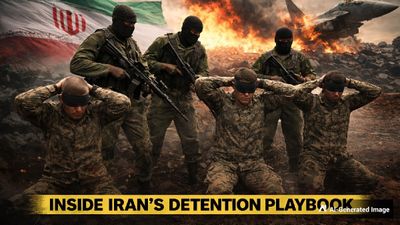 What Happened Last Time Iran Held US Personnel: The 2016 Detention That Still Haunts Washington
 -
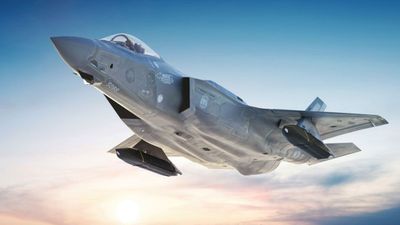 US Pilot Reportedly Ejects In Southwest Iran Amid Fresh Iranian Claims Of F-35, F-15E Downing
 -
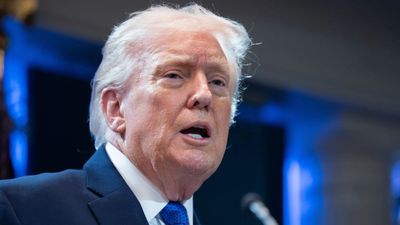 Trump Sets Tough Terms For Ceasefire With Iran, Demands Strait Of Hormuz Be “Open, Free, Clear” Amid Conflict
 -
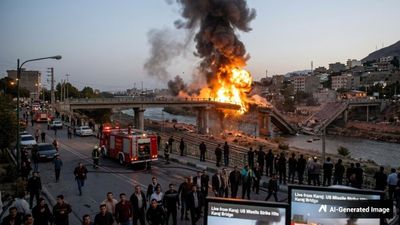 Iran Names 8 Gulf, Jordan Bridges as Possible Targets After Deadly Karaj Strike
 -
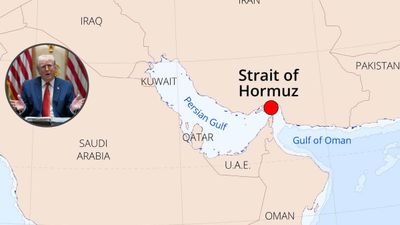 When Will Strait of Hormuz Reopen? Donald Trump’s Iran War Speech Suggests No Quick Relief
 -
 Trump Addresses Nation Amid Iran War, Targets Obama Nuclear Deal, Justifies ‘Operation Epic Fury' , Watch
 -
 US Confirms Fighter Jet Downed Over Iran, Tehran Announces Reward For Those Who Find Crew
 -
 Iran Hits Back at Trump, Threatens Prolonged War
 -
 Iran Snubs Pakistan’s Peacemaker Pretensions, Refuses To Meet US Officials In Islamabad
 -
 UK To Host 35-Nation Talks To Reopen Strait Of Hormuz Amid Oil Crisis
 -
 Centre Plans ₹2.5 Lakh Crore Credit Shield for Businesses Facing Iran Conflict Fallout
 -
 We're The Only Country To Lose Mariners At Strait of Hormuz: India At UK-led West Asia Meet On Iran Crisis



 Click it and Unblock the Notifications
 Sign in with Google