


SC Eases Pollution Curbs In Delhi-NCR, Mandates Full Worker Compensation Amid GRAP Revisions


In a recent ruling, the Supreme Court relaxed the pollution control measures for Delhi and the National Capital Region (NCR), allowing the implementation of GRAP-2 (Graded Response Action Plan) to address the region's pollution concerns.
However, the court made it clear that GRAP-4 measures must be enforced immediately whenever the Air Quality Index (AQI) exceeds 400.

The court's decision followed a series of discussions regarding the impact of high pollution on construction activities. It expressed significant dissatisfaction with the delayed compensation for construction workers, who have been adversely affected by the ban on construction activities.
The Delhi government had previously promised Rs 8,000 in compensation to the 90,000 registered workers but had only disbursed Rs 2,000 per worker. This led the Supreme Court to issue a stern warning to Delhi's Chief Secretary, threatening contempt proceedings for not adhering to the compensation directive.
Justice Abhay S Oka and Justice Augustine George Masih questioned why the full compensation had not been paid despite clear instructions from the top court. Justice Oka emphasized that this delay was unacceptable, highlighting the importance of fulfilling the welfare state's responsibilities. He stated, "Why? When will you pay the balance amount? They are verified, that is why they were paid Rs 2000? You want workers to starve? This is not done."
The court also pointed out that none of the NCR states-Delhi, Haryana, Uttar Pradesh, and Rajasthan-had complied with previous orders related to compensating the affected workers. This failure to meet the court's directions was another key point of concern during the proceedings.
Previously, the court had declined to ease the emergency GRAP-4 measures, which included a ban on truck entry and construction activities, until the AQI showed a clear downward trend. Despite this, the court remained firm in its stance on pollution control and workers' welfare, demanding that full compensation be promptly provided and that stricter enforcement of pollution control measures be prioritized.
As the region continues to struggle with pollution, the Supreme Court's ruling aims to balance necessary action against the environmental crisis while ensuring the well-being of the workers impacted by the measures. The court has made it clear that failure to comply with these orders could lead to further legal action.
-
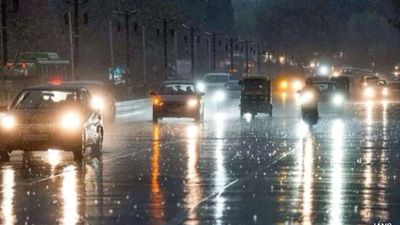 Thunderstorm Warning In Delhi NCR: IMD Issues Orange Alert Amid Sudden Weather Shift
 -
 UP STF Nabs Maulana Abdullah Salim Over Controversial Comment On CM Yogi's Mother
 -
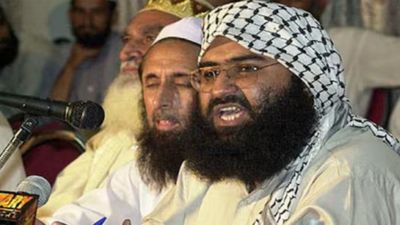 Masood Azhar’s Brother Mohammad Tahir Dies In Pakistan Under Mysterious Circumstances, Cause Yet To Be Known
 -
 VerSe Innovation Appoints P.R. Ramesh as Independent Director and Chair of Audit Committee to Strengthen Governance Ahead of Next Phase of Growth
 -
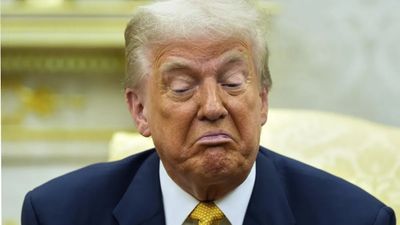 “Not Going To Be There Too Much Longer”: Trump Signals Endgame In Iran War
 -
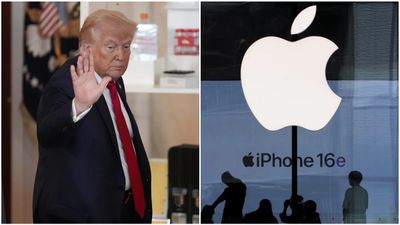 Iran Threatens To Hit US Companies in Region From April 1, Names Microsoft, Apple, Tesla, Boeing
 -
 ‘IPL Official’ Found Dead in Mumbai Hotel, Probe Underway
 -
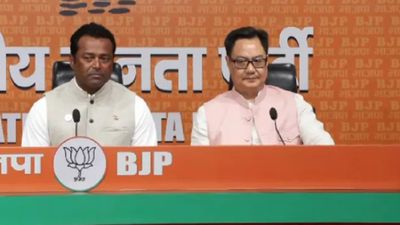 Leander Paes To Contest West Bengal Assembly Elections 2026? Tennis Star Joins BJP Ahead of Assembly Polls
 -
 April 1 Rule Changes: PAN, New Tax Law, ATM, FASTag, Cards to Impact Millions, What’s Changing?
 -
 China, Pakistan Call for Immediate Ceasefire in Iran War, Push Peace Talks ‘As Soon As Possible’
 -
 Are Banks Closed or Open Today on Mahavir Jayanti? RBI Issues Special March 31 Instructions
 -
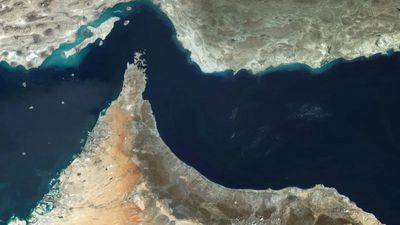 Iran’s New Hormuz Plan Targets Global Shipping with Tolls, What Does It Mean?



 Click it and Unblock the Notifications
 Sign in with Google