


Delhi Air Pollution: AQI Hits Severe Plus at 500—10 Key Updates You Need to Know


The air pollution crisis in Delhi has reached alarming levels, with the Air Quality Index (AQI) crossing 500 in many areas, categorized as "severe plus."
This has prompted emergency measures, including school closures, online classes, and government advisories to protect public health.

Here are 10 comprehensive updates on the situation:
1. AQI Peaks at Severe Plus Levels
The Central Pollution Control Board (CPCB) reported AQI levels of 500 in major hotspots like Anand Vihar, Bawana, and Jahangirpuri. Other areas, such as RK Puram, Dwarka, and Munka, recorded similarly dangerous levels between 498 and 499. This is the seventh consecutive day of hazardous air in Delhi and the surrounding NCR region, with visibility severely reduced due to dense smog.
2. Schools and Colleges Move Online
- The Delhi government has suspended in-person classes for all grades, including Classes 10 and 12, citing health concerns.
- Delhi University (DU) has shifted to online classes till November 23, with plans to resume physical sessions on November 25.
- Jawaharlal Nehru University (JNU) has followed suit, transitioning to online classes until November 22. Despite this, exams and interviews will proceed as scheduled.
- The Directorate of Education has issued a circular mandating all government and private schools to shift to virtual learning.
3. Thick Smog Engulfs the Region
- A persistent layer of smog has enveloped Delhi and neighboring cities like Noida, Ghaziabad, and Gurugram for a week. This smog, caused by a combination of stubble burning, vehicular emissions, and adverse weather conditions, has worsened public health risks and hampered daily life.
4. Medical Emergency Declared
Delhi Chief Minister Atishi has declared the situation a "medical emergency." The government has appealed to residents to limit outdoor activities, use masks, and follow precautionary measures to avoid exposure to the toxic air.
5. Supreme Court Takes Charge
The Supreme Court has directed Delhi-NCR states to immediately enforce the Graded Response Action Plan (GRAP-4), the most stringent anti-pollution strategy. The court criticized the Commission for Air Quality Management (CAQM) for its delayed response and emphasized the constitutional obligation to ensure a pollution-free environment.
6. Health Advisory Issued by Union Health Ministry
The Union Health Ministry has issued a detailed advisory to states and union territories to:
Strengthen healthcare facilities, especially in vulnerable regions.
Set up sentinel hospitals to monitor air pollution-related illnesses like asthma and bronchitis.
Launch awareness campaigns for at-risk populations, including children, the elderly, and outdoor workers.
Residents are also advised to avoid strenuous outdoor activities and keep windows closed to prevent indoor air contamination.
7. GRAP-4 Restrictions Enforced
As per GRAP-4 guidelines:
All construction and demolition activities in the region have been banned to reduce dust pollution.
Industries using non-clean fuels have been temporarily shut.
Vehicular restrictions are being tightened, and residents are encouraged to carpool or use public transport.
8. Work-From-Home (WFH) Orders Encouraged
Government and private offices have been urged to adopt remote working to reduce vehicular traffic and outdoor exposure. Many organizations have already implemented WFH policies to ensure employee safety.
9. Neighboring Cities Follow Suit
Cities like Noida, Ghaziabad, and Gurugram are experiencing similar air quality issues and have adopted Delhi's measures, including school closures and online classes. Authorities in these regions are also enforcing GRAP-4 guidelines.
10. Public Health Concerns Rise
Doctors have reported a surge in cases of respiratory ailments, eye irritation, and fatigue due to prolonged exposure to polluted air. Vulnerable groups, such as children, pregnant women, the elderly, and those with pre-existing respiratory or cardiac conditions, are at heightened risk.
What Can Residents Do?
- Avoid outdoor activities, especially in the early morning and late evening when pollution levels are highest.
- Wear N95 masks while stepping out to reduce inhalation of pollutants.
- Use air purifiers indoors to improve indoor air quality.
- Stay hydrated and eat antioxidant-rich foods to combat the effects of pollution.
- Follow government guidelines and advisories for your safety.
Delhi's pollution crisis highlights the urgent need for long-term measures to combat air pollution and protect public health. Stay informed and take precautions to safeguard yourself and your loved ones.
-
 Hyderabad Gold Silver Rate Today, 31 March 2026: Gold And Silver See Fresh Movement, Check Latest City Rates
 -
 Gold Silver Rate Today, 31 March 2026: City-Wise Prices, MCX Trend As Gold Rises And Silver Slips
 -
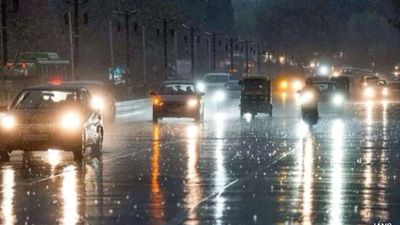 Thunderstorm Warning In Delhi NCR: IMD Issues Orange Alert Amid Sudden Weather Shift
 -
 UP STF Nabs Maulana Abdullah Salim Over Controversial Comment On CM Yogi's Mother
 -
 Masood Azhar’s Brother Mohammad Tahir Dies In Pakistan Under Mysterious Circumstances, Cause Yet To Be Known
 -
 VerSe Innovation Appoints P.R. Ramesh as Independent Director and Chair of Audit Committee to Strengthen Governance Ahead of Next Phase of Growth
 -
 “Not Going To Be There Too Much Longer”: Trump Signals Endgame In Iran War
 -
 Iran Threatens To Hit US Companies in Region From April 1, Names Microsoft, Apple, Tesla, Boeing
 -
 ‘IPL Official’ Found Dead in Mumbai Hotel, Probe Underway
 -
 Leander Paes To Contest West Bengal Assembly Elections 2026? Tennis Star Joins BJP Ahead of Assembly Polls
 -
 April 1 Rule Changes: PAN, New Tax Law, ATM, FASTag, Cards to Impact Millions, What’s Changing?
 -
 China, Pakistan Call for Immediate Ceasefire in Iran War, Push Peace Talks ‘As Soon As Possible’



 Click it and Unblock the Notifications
 Sign in with Google