


Who Is Sheikh Abubakr Ahmad, the Grand Mufti of India? Man Who Stopped Indian Nurse Nimisha Priya's Execution


A prominent Indian Muslim cleric has been instrumental in delaying the execution of Nimisha Priya, an Indian nurse sentenced to death in Yemen. Sheikh Abubakr Ahmad, the Grand Mufti of India, reached out to Yemeni scholar Sheikh Umar bin Hafiz. He urged him to mediate with the family of Talal Abdol Mehdi, whom Priya was convicted of killing.
Priya's legal team argues that the killing was accidental and occurred during a period of abuse and distress. Following the Grand Mufti's request, Sheikh Umar sent his students to negotiate with the victim's family. After several discussions, they agreed to postpone the execution for four hours, providing Priya's legal team additional time.

The Role of India's Grand Mufti
The Grand Mufti of India is a senior Islamic legal authority, often seen as the highest-ranking Islamic scholar in the country. Unlike some Muslim-majority countries where this title is state-granted, in India, it is honorary and not officially recognised by the government. Sheikh Abubakr was conferred this title in February 2019 by the All India Tanzeem Ulama-e-Islam at Delhi's Ramlila Maidan.
Sheikh Abubakr Ahmad, also known as Kanthapuram AP Aboobacker Musliyar, hails from Kerala, like Nimisha Priya. He is a respected religious leader in India and South Asia. Born in Kozhikode, Kerala, he serves on various Islamic scholars' councils at both state and national levels. He is frequently invited abroad for religious lectures and conferences.
Sheikh Abubakr Ahmad's Influence
As the Grand Mufti, Sheikh Abubakr provides fatwas (Islamic legal opinions) and guidance on religious and social matters within the Barelvi school of Sunni Islam. He leads Markaz Knowledge City in Kozhikode, which includes medical and law colleges and a cultural centre. His influence extends beyond India to Gulf countries and Southeast Asia.
Over time, Sheikh Abubakr has faced controversy for some statements. During protests against the Citizenship Amendment Act (CAA) in 2019-20, he advised women not to participate in street demonstrations. He stated that "Men will take care of it," which sparked debate.
The intervention by Sheikh Abubakr highlights his significant role within both Indian and international Islamic communities.
-
 Thunderstorm Warning In Delhi NCR: IMD Issues Orange Alert Amid Sudden Weather Shift
 -
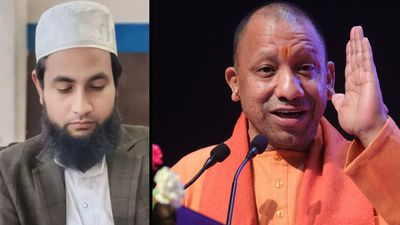 UP STF Nabs Maulana Abdullah Salim Over Controversial Comment On CM Yogi's Mother
 -
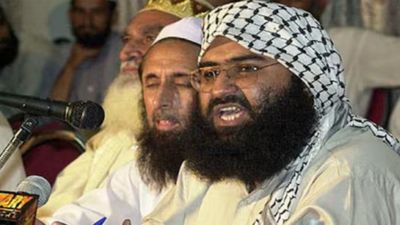 Masood Azhar’s Brother Mohammad Tahir Dies In Pakistan Under Mysterious Circumstances, Cause Yet To Be Known
 -
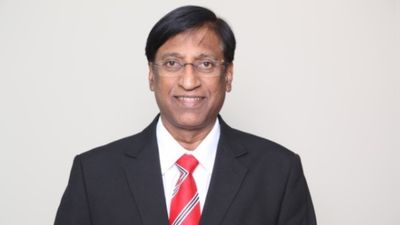 VerSe Innovation Appoints P.R. Ramesh as Independent Director and Chair of Audit Committee to Strengthen Governance Ahead of Next Phase of Growth
 -
 “Not Going To Be There Too Much Longer”: Trump Signals Endgame In Iran War
 -
 Iran Threatens To Hit US Companies in Region From April 1, Names Microsoft, Apple, Tesla, Boeing
 -
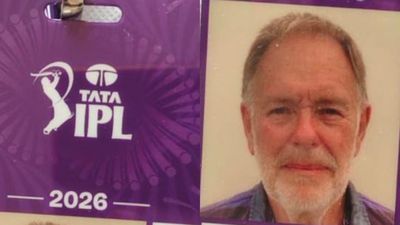 ‘IPL Official’ Found Dead in Mumbai Hotel, Probe Underway
 -
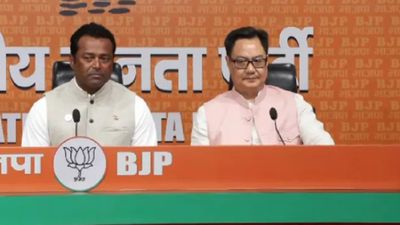 Leander Paes To Contest West Bengal Assembly Elections 2026? Tennis Star Joins BJP Ahead of Assembly Polls
 -
 April 1 Rule Changes: PAN, New Tax Law, ATM, FASTag, Cards to Impact Millions, What’s Changing?
 -
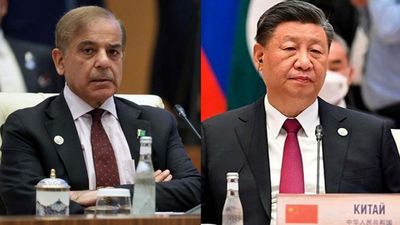 China, Pakistan Call for Immediate Ceasefire in Iran War, Push Peace Talks ‘As Soon As Possible’
 -
 Are Banks Closed or Open Today on Mahavir Jayanti? RBI Issues Special March 31 Instructions
 -
 Iran’s New Hormuz Plan Targets Global Shipping with Tolls, What Does It Mean?



 Click it and Unblock the Notifications
 Sign in with Google