


Was Iran’s Fordow Nuclear Site Severely Damaged? Experts Weigh In After US Strike


Recent satellite images suggest significant damage to Iran's Fordow nuclear facility following a US military strike. The attack targeted the underground site, which houses uranium-enriching centrifuges. Despite the apparent surface damage, there is no official confirmation of the extent of destruction.
Iran has consistently claimed its nuclear program is for peaceful purposes. However, in response to Israeli attacks, Iran's parliament is considering withdrawing from the Non-Proliferation Treaty. This treaty, established in 1970, aims to prevent the spread of nuclear weapons and promote cooperation with the International Atomic Energy Agency (IAEA).

Satellite Imagery and Expert Opinions
Decker Eveleth, a researcher at CNA Corporation, noted that confirming below-ground damage is challenging. The hall containing numerous centrifuges is buried too deeply for satellite imagery to assess accurately. David Albright, a former UN nuclear inspector, remarked that the US used Massive Ordnance Penetrators (MOPs) in the attack. He speculated that the facility might be severely compromised.
The United States and Israel have expressed their intent to halt Tehran's nuclear ambitions. However, if Iran's facilities remain intact, it could potentially restart its weapons program. Both US intelligence and the IAEA believe this program was halted in 2003.
Unusual Activity Before the Strike
Maxar Technologies' satellite images showed unusual activity at Fordow before the strike. On Thursday and Friday, a long line of vehicles was seen outside an entrance to the facility. A senior Iranian source revealed that most of Iran's near weapons-grade uranium had been relocated before the US attack.
To protect its nuclear assets from attacks like Sunday's strike by US forces, Iran has fortified much of its program deep underground. This includes embedding facilities into mountainsides at locations like Fordow.
Potential Consequences
The recent developments have raised concerns about regional stability and international relations. The potential withdrawal from the Non-Proliferation Treaty could end Iran's cooperation with global nuclear oversight bodies like the IAEA.
The situation remains tense as stakeholders await further information on the extent of damage and potential diplomatic repercussions. The international community continues to monitor developments closely.
-
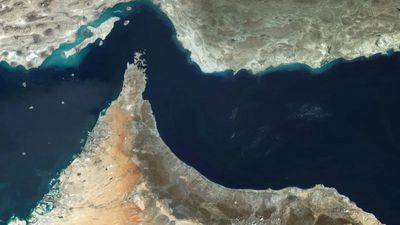 Iran’s New Hormuz Plan Targets Global Shipping with Tolls, What Does It Mean?
 -
 ‘Go Get Your Own Oil’: Trump Slams Nations Hit By Hormuz Fuel Crisis For Refusing To Back Iran Strikes
 -
 Iran Crisis: Over 5.98 Lakh Indians Have Returned Home, Confirms Govt
 -
 Trump Says Iran Is ‘Incapable’ Of Building Nuclear Weapon, US Will Be Out ‘Pretty Quickly’
 -
 Iran-US War: Donald Trump’s Missteps And The NATO Paradox
 -
 Trump Warns Iran Of Possible Attacks On Energy Sites Amid Israel-Hezbollah Conflict
 -
 Starmer Warns Iran Conflict Will Impact UK, But Pledges to ‘Weather The Storm’
 -
 Trump Signals US Exit from Iran Within Weeks, Shifts Focus from Diplomacy to Military Goals
 -
 Gold Rate Today 31 March 2026: Latest IBJA Benchmark And Tanishq, Kalyan, Malabar, Joyalukkas Rates
 -
 Hyderabad Gold Silver Rate Today, 31 March 2026: Gold And Silver See Fresh Movement, Check Latest City Rates
 -
 Gold Silver Rate Today, 31 March 2026: City-Wise Prices, MCX Trend As Gold Rises And Silver Slips
 -
 Thunderstorm Warning In Delhi NCR: IMD Issues Orange Alert Amid Sudden Weather Shift



 Click it and Unblock the Notifications
 Sign in with Google