


US Strikes Iranian Nuclear Sites: Key Targets, Weapons Used, And What Lies Ahead


The United States has conducted a coordinated military strike on three major Iranian nuclear facilities-Fordo, Natanz, and Isfahan-marking a significant escalation in ongoing tensions between Iran, Israel, and the West.
According to official statements, President Donald Trump confirmed the attacks on Saturday, calling them a "very successful operation." All U.S. aircraft involved in the mission reportedly returned safely.

Key Targets of the Strike
The strikes targeted three critical components of Iran's nuclear infrastructure:
Fordo Nuclear Facility: Located deep underground near the city of Qom, Fordo was built covertly and in violation of UN resolutions. It houses approximately 3,000 centrifuges used to enrich uranium-a process essential for both civilian nuclear energy and nuclear weapons. This site was hit with what was described as a "full payload of bombs."
Natanz: Recognised as Iran's primary uranium enrichment site, Natanz includes nearly 70 centrifuge cascades. These are crucial to the enrichment process, and the site has long been a focus of international nuclear monitoring efforts.
Isfahan: This location includes a uranium conversion facility and a nuclear fuel fabrication plant, integral parts of Iran's broader nuclear development program.
Munitions and Aircraft Involved
Although President Trump did not specify the types of weapons used, analysts suggest that the U.S. likely deployed the GBU-57 Massive Ordnance Penetrator-a 30,000-pound bunker-busting bomb capable of reaching targets buried up to 200 feet underground. This munition is specifically designed to destroy heavily fortified structures like the Fordo facility.
The strikes were carried out by B-2 Spirit bombers, the only aircraft in the U.S. fleet capable of delivering the GBU-57. These long-range stealth bombers, which can travel up to 9,600 kilometers without refueling, reportedly flew out from a U.S. Air Force base in Missouri.
The B-2 Spirit has a combat history that includes roles in the Kosovo conflict, and U.S. operations in Afghanistan and Iraq. Designed to evade radar detection and penetrate enemy defenses, it is considered one of the most advanced aircraft in the U.S. arsenal.
Strategic and Diplomatic Implications
President Trump urged Iran to "agree to end this war," emphasizing a call for de-escalation. However, it remains uncertain whether Tehran will respond with restraint or retaliate. Potential Iranian responses may include targeting U.S. military personnel in the Middle East or disrupting shipping through the Strait of Hormuz, a critical chokepoint for global oil transport.
The strikes come after weeks of rising tensions and an Israeli campaign targeting Iran's nuclear and military infrastructure. Trump had previously sought a new diplomatic agreement with Tehran after the U.S. exited the 2015 nuclear deal in 2018, but the recent strikes mark a definitive military turn in the administration's approach.
The Road Ahead
The U.S. has signaled readiness for further action if necessary, though the long-term consequences of the strikes remain unclear. The region remains on high alert amid fears of escalation, and the global community is closely monitoring Iran's next move.
-
 Trump's Address To Nation: Key Pointers From US President's Speech
 -
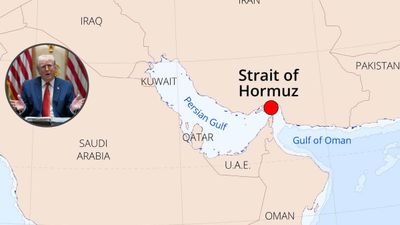 When Will Strait of Hormuz Reopen? Donald Trump’s Iran War Speech Suggests No Quick Relief
 -
 Trump Signals US Exit from Iran Within Weeks, Shifts Focus from Diplomacy to Military Goals
 -
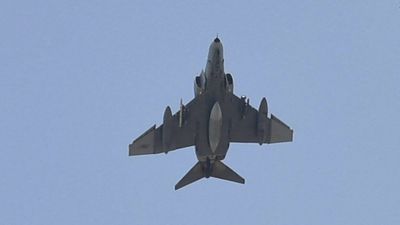 Iran Shoots Down Second US F-35 Fighter Jet, Pilot Survival Unlikely
 -
 Donald Trump Offers To Buy Oil From The US, Says “We Have Plenty”; Claims Iran War Will “Finish Very Fast'
 -
 Iran Hits Back at Trump, Threatens Prolonged War
 -
 INS Taragiri To Join Indian Navy Fleet, Boosting Maritime Power
 -
 We're The Only Country To Lose Mariners At Strait of Hormuz: India At UK-led West Asia Meet On Iran Crisis
 -
 UK To Host 35-Nation Talks To Reopen Strait Of Hormuz Amid Oil Crisis
 -
 ‘Iran Wants Ceasefire’: Donald Trump Threatens To Send Tehran ‘Back To The Stone Age’
 -
 School Assembly News Headlines Today April 03: Top National, International, Sports, Business News
 -
 Iran Crisis: Over 5.98 Lakh Indians Have Returned Home, Confirms Govt



 Click it and Unblock the Notifications
 Sign in with Google