


US Green Card Lottery 2025: Why Indians Won't Qualify and What Are the Options


Indian citizens will remain ineligible for the United States Diversity Visa (DV) lottery, commonly known as the Green Card Lottery, until at least 2028. This visa programme aims to diversify America's immigrant population by selecting applicants from countries that have sent fewer immigrants to the United States over the past five years.

AI-generated summary, reviewed by editors
Why India is Excluded from the DV Lottery
The DV lottery only allows participation from countries that have sent fewer than 50,000 immigrants to the United States within the last five years. Since India has crossed this threshold because of consistently high immigration numbers, it has been automatically disqualified.
In 2021, around 93,450 Indians migrated to the United States. The number increased to 127,010 in 2022, which was higher than the total immigrants from South America (99,030), Africa (89,570), and Europe (75,610). In 2023, another 78,070 Indians moved to the United States, confirming the country's ineligibility for the DV lottery until 2028.
Other nations that do not qualify for the 2026 lottery include China, South Korea, Canada, and Pakistan. For countries that remain eligible, the United States recently announced the latest round of visa allocations.
Limited Options Left for Indian Immigrants
With the Diversity Visa route unavailable, Indian nationals are left with only a few ways to obtain permanent residency in the United States. These include converting an H-1B work visa to a Green Card, investment-based immigration, asylum, or applying through family sponsorship.
However, under U.S. President Donald Trump's strict immigration policies, these routes have also become more challenging. The tightening of regulations has caused growing concern among applicants and employers alike.
Stricter Immigration Scrutiny Under Trump Administration
Since taking office, Trump's administration has implemented tougher measures on student and work visas, including expanded social media checks and enhanced background screening.
Directives from the U.S. State Department instructed diplomats to be cautious of applicants who could be viewed as "hostile to the United States" or who have a history of political activism.
Officials were also ordered to screen individuals "who advocate for, aid, or support designated foreign terrorists and other threats to national security; or who perpetrate unlawful anti-Semitic harassment or violence."
Eligibility Rules Explained
The Diversity Visa programme is open only to citizens of countries that have sent fewer than 50,000 immigrants to the United States in the past five years. Because India's immigration volume exceeds this number, it is automatically disqualified.
According to data from the U.S. Department of Homeland Security, India's immigration numbers were 93,450 in 2021, 127,010 in 2022, and 78,070 in 2023. These figures make India ineligible for the DV lottery until 2028. Other countries that share this status include China, South Korea, Canada, and Pakistan.
While the Green Card Lottery continues to offer opportunities for nations with lower immigration rates, Indian nationals will have to explore other immigration pathways or wait for future eligibility.
-
 ‘Iran Wants Ceasefire’: Donald Trump Threatens To Send Tehran ‘Back To The Stone Age’
 -
 Iran-US War: Donald Trump’s Missteps And The NATO Paradox
 -
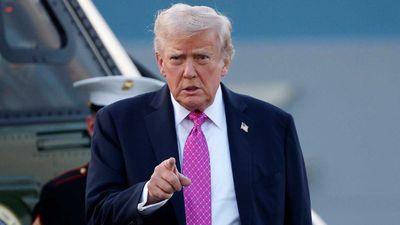 Trump Warns Iran Of Possible Attacks On Energy Sites Amid Israel-Hezbollah Conflict
 -
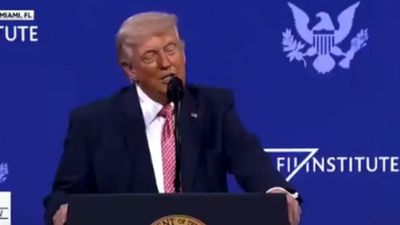 Trump Signals US Exit from Iran Within Weeks, Shifts Focus from Diplomacy to Military Goals
 -
 Gold Rate Today 31 March 2026: Latest IBJA Benchmark And Tanishq, Kalyan, Malabar, Joyalukkas Rates
 -
 Hyderabad Gold Silver Rate Today, 31 March 2026: Gold And Silver See Fresh Movement, Check Latest City Rates
 -
 Gold Silver Rate Today, 31 March 2026: City-Wise Prices, MCX Trend As Gold Rises And Silver Slips
 -
 Thunderstorm Warning In Delhi NCR: IMD Issues Orange Alert Amid Sudden Weather Shift
 -
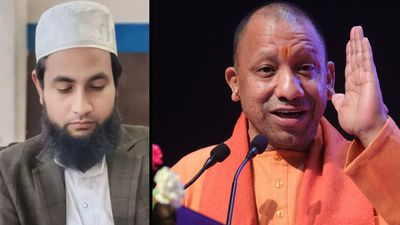 UP STF Nabs Maulana Abdullah Salim Over Controversial Comment On CM Yogi's Mother
 -
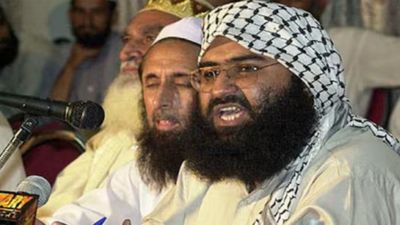 Masood Azhar’s Brother Mohammad Tahir Dies In Pakistan Under Mysterious Circumstances, Cause Yet To Be Known
 -
 VerSe Innovation Appoints P.R. Ramesh as Independent Director and Chair of Audit Committee to Strengthen Governance Ahead of Next Phase of Growth
 -
 “Not Going To Be There Too Much Longer”: Trump Signals Endgame In Iran War



 Click it and Unblock the Notifications
 Sign in with Google