


Trumps Closing Argument Blocked in New York Civil Fraud Trial
Donald Trumps attempt to deliver his own closing argument in the New York civil business fraud trial was thwarted when the judge rescinded permission due to objections from his lawyers. The trial, brought by New York Attorney General Letitia James, alleges that Trump inflated his net worth on financial statements, potentially resulting in substantial penalties and restrictions on his business activities in New York.


In a surprising turn of events, former President Donald Trump will not be delivering his own closing argument in the ongoing New York civil business fraud trial. The decision came after objections from Trump's lawyers to the judge's insistence that he stick to "relevant" matters during his summation.

Judge Rescinds Permission for Trump's Summation
Judge Arthur Engoron, presiding over the case, initially granted permission for Trump to present his closing argument personally. However, on Wednesday, a day before the scheduled closing arguments, the judge rescinded his permission. This decision poses a significant setback for Trump, as the trial could potentially result in hundreds of millions of dollars in penalties and jeopardize his ability to conduct business in New York.
Trump's Lawyers Signal Extraordinary Step
Trump's legal team had previously indicated their intention for him to deliver a summation, an unusual move considering defendants typically rely on their legal representatives for closing arguments. This extraordinary step aimed to bolster Trump's defense against the allegations brought forth by New York Attorney General Letitia James.
Attorney General's Allegations and Trump's Defense
Attorney General James alleges that Trump inflated his net worth by billions of dollars on financial statements, enabling him to secure business loans and insurance. Trump vehemently denies any wrongdoing, dismissing the case as a "hoax" and a politically motivated attack. The fact that both James and the judge are Democrats adds another layer of complexity to the proceedings.
Limitations Imposed on Trump's Summation
Judge Engoron initially approved Trump's request to present his closing argument, but with strict limitations. Trump was expected to confine his remarks to relevant facts, material evidence, and applicable law. He was prohibited from introducing new evidence, discussing irrelevant matters, delivering a political speech, or making disparaging remarks about the judge, court staff, or the attorney general.
Trump's Lawyers Object to Limitations
Trump's attorney, Christopher Kise, expressed strong objections to the limitations imposed by Judge Engoron. He argued that the restrictions were ambiguous and could lead to misinterpretation or unintentional violations. Kise asserted that these limitations prevented Trump from addressing crucial aspects of the case.
Trump's Absence from Closing Arguments
After failing to receive a response from Trump's lawyers by the designated deadline, Judge Engoron assumed that Trump would not agree to the ground rules and consequently barred him from speaking. This decision highlights the risks associated with defendants taking on a role typically performed by their attorneys, especially considering Trump's previous run-ins with the judge over comments made about the case.
Gag Order and Potential Consequences
Trump's history of violating a limited gag order imposed by Judge Engoron further complicates the situation. The judge had previously fined Trump a total of USD 15,000 for repeatedly violating the order, which prohibited participants in the trial from commenting about court staff. Trump's defense team is currently appealing this fine.
The decision to block Donald Trump from delivering his own closing argument in the New York civil business fraud trial adds another twist to the already complex legal proceedings. As the trial nears its conclusion, the outcome could have significant financial and professional implications for Trump, potentially affecting his ability to conduct business in New York. The case also underscores the challenges defendants face when attempting to represent themselves in court, particularly when strict limitations are imposed on their arguments.
-
 Gold Silver Rate Today, 30 March 2026: City-Wise Prices, MCX Update On 24K Gold, 22K Gold And Silver
 -
 LPG Crunch: Karnataka Brings New SOPs, Makes PNG Registration Mandatory for Businesses
 -
 Hyderabad Gold Silver Rate Today, 30 March 2026: Check Fresh 24K, 22K, 18K Gold And Silver Prices In City
 -
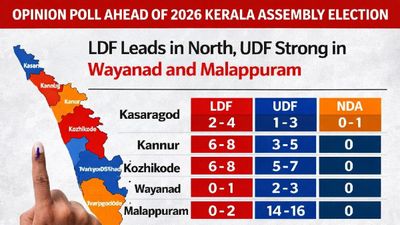 Opinion Poll For Kerala Assembly Election 2026: Ldf Strength In Kannur And Kasaragod
 -
 Tamil Nadu Polls 2026: Vijay Reveals Rs 645 Crore Assets, Rs 266 Crore in Banks; Know All His Declaration
 -
 Mumbai Metro Line 9 Set for April 3 Launch, Dahisar-Mira Bhayandar to Get Direct Boost
 -
 Hyderabad Gold Silver Rate Today, 31 March 2026: Gold And Silver See Fresh Movement, Check Latest City Rates
 -
 Gold Silver Rate Today, 31 March 2026: City-Wise Prices, MCX Trend As Gold Rises And Silver Slips
 -
 Rahul Arunoday Banerjee Autopsy Report: Actor Was Underwater For Over An Hour, Sand Found In Lungs
 -
 Thunderstorm Warning In Delhi NCR: IMD Issues Orange Alert Amid Sudden Weather Shift
 -
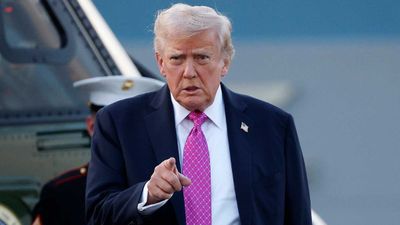 Trump Hints At Breakthrough With Iran Amid War Escalation, Calls Recent Move A ‘Sign Of Respect’
 -
 UP STF Nabs Maulana Abdullah Salim Over Controversial Comment On CM Yogi's Mother



 Click it and Unblock the Notifications
 Sign in with Google