


TikTok Seeks Supreme Court Emergency Order to Block US Ban Amid National Security Concerns


TikTok has approached the Supreme Court to urgently block a federal law that could ban the app in the US unless its parent company, ByteDance, based in China, sells it. The request comes ahead of a January 19 deadline. Lawyers for TikTok and ByteDance have urged the justices to intervene, with content creators and some of TikTok's 170 million US users expected to join the plea.

The potential ban poses significant risks for TikTok, as even a month-long shutdown could result in losing about one-third of its daily users in the US and substantial advertising revenue. This case presents a clash between free speech rights and national security concerns, raising new questions about social media platforms.
Legal Proceedings and Potential Outcomes
Chief Justice John Roberts will initially handle the emergency appeal from courts in Washington, D.C., but is likely to consult all nine justices. A panel of federal judges from the U.S. Court of Appeals for the District of Columbia Circuit recently denied an emergency plea to block the law, allowing the case to proceed to the Supreme Court.
The same panel had previously upheld the law against a First Amendment challenge, which argued it violated free speech rights. If no court-ordered freeze is granted, the law will take effect on January 19, potentially subjecting app stores offering TikTok and related internet hosting services to fines.
Government's Role and Enforcement
The Justice Department would be responsible for enforcing the law by investigating violations and seeking sanctions. However, TikTok's lawyers argue that enforcement might be paused or mitigated due to President-elect Donald Trump's campaign promise to "save TikTok." Trump assumes office a day after the law is set to take effect.
The Supreme Court has two options: temporarily halt the law for further consideration of First Amendment issues or reject the emergency appeal, allowing the law to proceed as planned. The case has moved swiftly through courts since Congress passed the law with bipartisan support and President Joe Biden signed it in April.
This legal battle highlights ongoing tensions between national security concerns and digital platform freedoms. The outcome could have significant implications for social media regulation in the United States.
-
 Thunderstorm Warning In Delhi NCR: IMD Issues Orange Alert Amid Sudden Weather Shift
 -
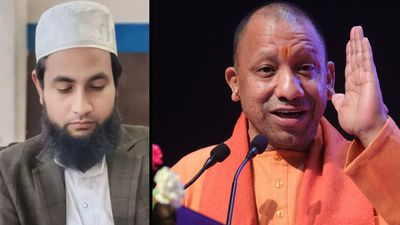 UP STF Nabs Maulana Abdullah Salim Over Controversial Comment On CM Yogi's Mother
 -
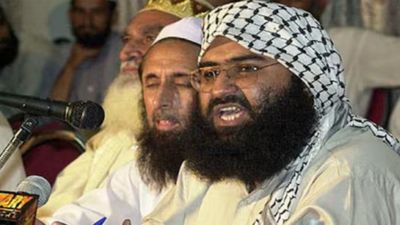 Masood Azhar’s Brother Mohammad Tahir Dies In Pakistan Under Mysterious Circumstances, Cause Yet To Be Known
 -
 VerSe Innovation Appoints P.R. Ramesh as Independent Director and Chair of Audit Committee to Strengthen Governance Ahead of Next Phase of Growth
 -
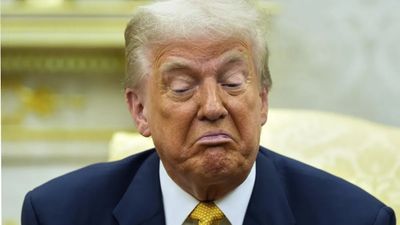 “Not Going To Be There Too Much Longer”: Trump Signals Endgame In Iran War
 -
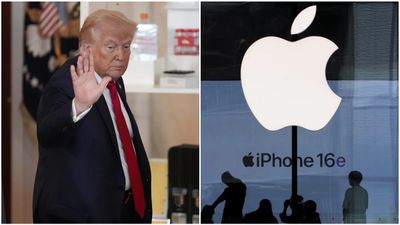 Iran Threatens To Hit US Companies in Region From April 1, Names Microsoft, Apple, Tesla, Boeing
 -
 ‘IPL Official’ Found Dead in Mumbai Hotel, Probe Underway
 -
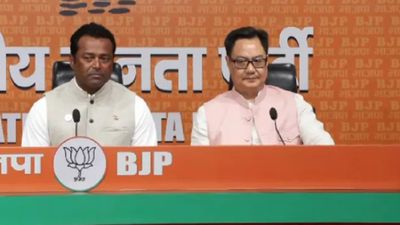 Leander Paes To Contest West Bengal Assembly Elections 2026? Tennis Star Joins BJP Ahead of Assembly Polls
 -
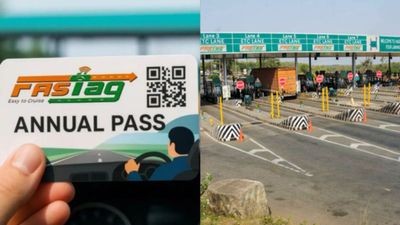 April 1 Rule Changes: PAN, New Tax Law, ATM, FASTag, Cards to Impact Millions, What’s Changing?
 -
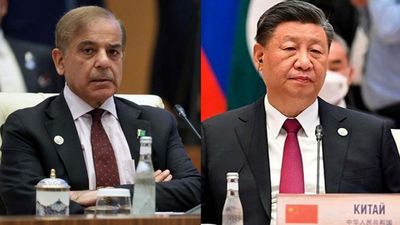 China, Pakistan Call for Immediate Ceasefire in Iran War, Push Peace Talks ‘As Soon As Possible’
 -
 Are Banks Closed or Open Today on Mahavir Jayanti? RBI Issues Special March 31 Instructions
 -
 Iran’s New Hormuz Plan Targets Global Shipping with Tolls, What Does It Mean?



 Click it and Unblock the Notifications
 Sign in with Google