


Russia's Parliament Advances Bill for Higher Taxes on Wealthy


Russia's legislative body, the State Duma, has recently moved forward with a bill aimed at revising the nation's tax structure, particularly targeting the affluent segment of the population. This legislative proposal, which has successfully passed its first reading, introduces a progressive tax system that marks a significant shift from the flat-rate tax regime established in 2001. This change comes at a time when Moscow is channeling substantial resources into its military operations in Ukraine.

The bill proposes a tiered income tax system where earnings up to 2.4 million rubles ($27,500) annually would continue to be taxed at the current rate of 13%. However, for incomes exceeding this threshold, the tax rate would escalate progressively, reaching up to 22% for annual incomes over 50 million rubles ($573,000). According to Russian President Vladimir Putin, this adjustment in the tax regime would impact no more than 3.2% of taxpayers, based on analyses conducted by the Finance Ministry.
In addition to modifying personal income taxes, the proposal also seeks to increase the corporate income tax rate from 20% to 25%. This adjustment is anticipated to significantly bolster federal budget revenues, with projections estimating an additional influx of 2.6 trillion rubles ($29 billion) by 2025.
The introduction of a 13% flat tax rate in 2001 was initially aimed at simplifying the tax system, curbing tax evasion, and enhancing state revenue collection. The system underwent a minor adjustment in 2021 when individuals earning over 5 million rubles annually were subjected to a 15% tax rate on earnings above this limit. The latest proposal represents a further evolution of Russia's tax policy amidst ongoing economic and geopolitical challenges.
As Russia continues to navigate through its extensive military expenditures and seeks ways to stabilize its economy, these proposed tax reforms signify a strategic move towards redistributing wealth and addressing fiscal needs. The progression of this bill through the legislative process will be closely watched by both domestic and international observers, given its potential implications for Russia's economic landscape.
-
 Thunderstorm Warning In Delhi NCR: IMD Issues Orange Alert Amid Sudden Weather Shift
 -
 UP STF Nabs Maulana Abdullah Salim Over Controversial Comment On CM Yogi's Mother
 -
 Masood Azhar’s Brother Mohammad Tahir Dies In Pakistan Under Mysterious Circumstances, Cause Yet To Be Known
 -
 VerSe Innovation Appoints P.R. Ramesh as Independent Director and Chair of Audit Committee to Strengthen Governance Ahead of Next Phase of Growth
 -
 “Not Going To Be There Too Much Longer”: Trump Signals Endgame In Iran War
 -
 Iran Threatens To Hit US Companies in Region From April 1, Names Microsoft, Apple, Tesla, Boeing
 -
 ‘IPL Official’ Found Dead in Mumbai Hotel, Probe Underway
 -
 Leander Paes To Contest West Bengal Assembly Elections 2026? Tennis Star Joins BJP Ahead of Assembly Polls
 -
 April 1 Rule Changes: PAN, New Tax Law, ATM, FASTag, Cards to Impact Millions, What’s Changing?
 -
 China, Pakistan Call for Immediate Ceasefire in Iran War, Push Peace Talks ‘As Soon As Possible’
 -
 Are Banks Closed or Open Today on Mahavir Jayanti? RBI Issues Special March 31 Instructions
 -
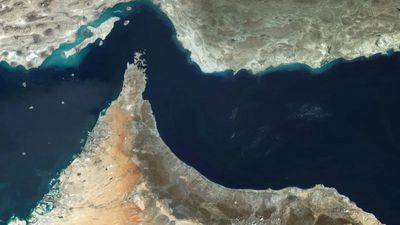 Iran’s New Hormuz Plan Targets Global Shipping with Tolls, What Does It Mean?



 Click it and Unblock the Notifications
 Sign in with Google