


Meta Spokesperson Convicted by Russia for Terrorism Justification


In a notable legal proceeding, a Russian court has handed down a six-year prison sentence to Andy Stone, the spokesperson for US-based technology firm Meta, on charges of justifying terrorism. This verdict was delivered in absentia, as reported by Mediazona, an independent Russian news outlet. The conviction is linked to comments made by Stone in the aftermath of Russia's full-scale invasion of Ukraine on February 24, 2022. Operating from the United States, Stone had announced adjustments to Meta's hate speech policy, temporarily permitting certain expressions of political dissent that would otherwise breach its regulations.

Specifically, Stone's statement allowed for "forms of political expression that would normally violate its rules, like violent speech such as death to the Russian invaders," while maintaining a prohibition against "credible calls for violence against Russian civilians." These remarks led Russian authorities to initiate a criminal case against Stone and other unnamed employees of Meta, accusing them of making "illegal calls to violence and killings of Russian citizens." Furthermore, the Russian government has designated Meta as an extremist organization and has subsequently blocked access to Facebook and Instagram within its borders.
The trial of Andy Stone commenced on a Friday and concluded swiftly by Monday after just two sessions. Despite initially facing multiple charges including calling for terrorist activity and public calls for extremist activity, the final indictment solely focused on publicly justifying terrorism. A government-appointed lawyer represented Stone during the trial. In addition to his prison sentence, Stone is prohibited from administering websites for four years following his release.
Following the invasion of Ukraine by Moscow, Russia has intensified its crackdown on independent media and various forms of dissenting voices. Popular social media platforms such as Facebook, Instagram, and X (formerly Twitter) have been blocked in Russia. These platforms were widely used by Russians prior to the invasion but are now accessible only through VPN services.
In response to the court's decision, Meta has chosen not to comment on the verdict. In a related move in April 2022, Russia also formally banned Meta CEO Mark Zuckerberg from entering the country. This series of actions against Meta and its employees underscores the escalating tensions between Russia and companies that challenge its narrative or policies.
-
 Thunderstorm Warning In Delhi NCR: IMD Issues Orange Alert Amid Sudden Weather Shift
 -
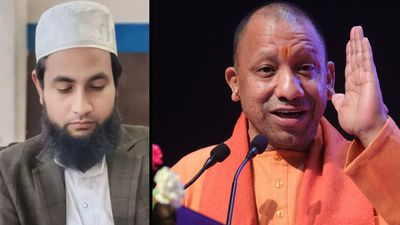 UP STF Nabs Maulana Abdullah Salim Over Controversial Comment On CM Yogi's Mother
 -
 Masood Azhar’s Brother Mohammad Tahir Dies In Pakistan Under Mysterious Circumstances, Cause Yet To Be Known
 -
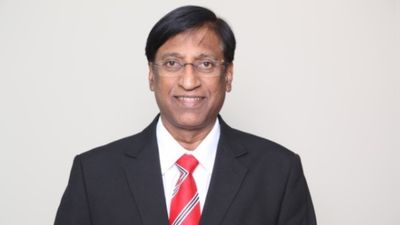 VerSe Innovation Appoints P.R. Ramesh as Independent Director and Chair of Audit Committee to Strengthen Governance Ahead of Next Phase of Growth
 -
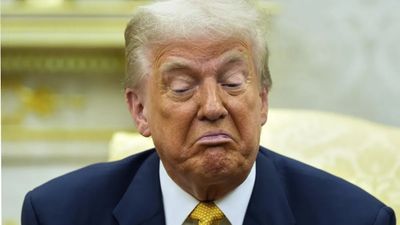 “Not Going To Be There Too Much Longer”: Trump Signals Endgame In Iran War
 -
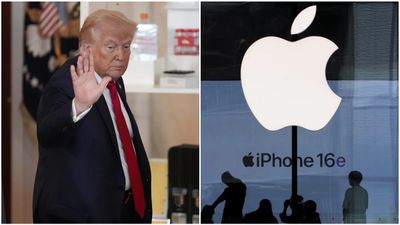 Iran Threatens To Hit US Companies in Region From April 1, Names Microsoft, Apple, Tesla, Boeing
 -
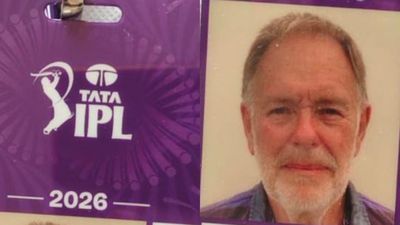 ‘IPL Official’ Found Dead in Mumbai Hotel, Probe Underway
 -
 Leander Paes To Contest West Bengal Assembly Elections 2026? Tennis Star Joins BJP Ahead of Assembly Polls
 -
 April 1 Rule Changes: PAN, New Tax Law, ATM, FASTag, Cards to Impact Millions, What’s Changing?
 -
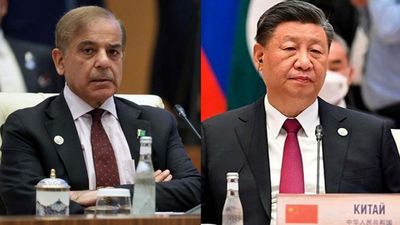 China, Pakistan Call for Immediate Ceasefire in Iran War, Push Peace Talks ‘As Soon As Possible’
 -
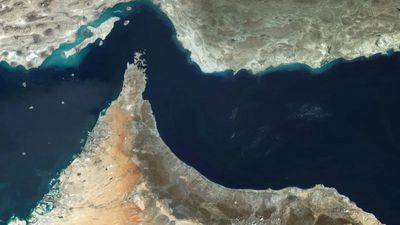 Iran’s New Hormuz Plan Targets Global Shipping with Tolls, What Does It Mean?
 -
 Are Banks Closed or Open Today on Mahavir Jayanti? RBI Issues Special March 31 Instructions



 Click it and Unblock the Notifications
 Sign in with Google