


Namibian Court Overturns Colonial-Era Law Against Gay Sex, Upholds Equality


In a landmark decision, the High Court in Windhoek, Namibia, has struck down a colonial-era statute that criminalised gay sex between men, marking a significant stride towards LGBTQ rights in the southern African nation. This ruling, delivered by three judges, found the law, a vestige of Namibia's period under apartheid-era South African rule, to be an unfair form of discrimination that warranted elimination. Namibia, which achieved independence from South Africa in 1990, has been under scrutiny for its outdated legal stance on same-sex relationships among men, while no laws existed against sexual activities between women.

The challenge to the government's stance was spearheaded by Friedel Dausab, a gay Namibian man, in 2022. Dausab contended that the law was not only a remnant of colonial oppression but also served to unjustly penalize and ostracize gay men. He highlighted in his legal submission that the mere existence of this law, despite infrequent prosecutions, cast a shadow of stigma and marginalization over same-sex couples by criminalizing their most private and intimate connections.
The United Nations HIV/AIDS agency (UNAIDS) hailed the court's decision as a monumental win for equality and human rights across Namibia. Anne Githuku-Shongwe, UNAIDS regional director for southern and East Africa, emphasized how the now-overturned law fostered discrimination and fear, significantly obstructing LGBTQ individuals' access to vital health services. Similarly, Amnesty International lauded the ruling as a progressive step forward, especially in light of a recent surge in anti-LGBTQ sentiment following a 2023 Supreme Court verdict that acknowledged same-sex unions of Namibian citizens formalized abroad.
Despite this victory in Namibia, the broader African continent remains largely hostile towards LGBTQ rights. At the beginning of this year, 31 African countries had laws criminalizing same-sex sexual activities. This includes Uganda's draconian legislation passed last year, which prescribes the death penalty for certain homosexual acts. In response to Namibia's ruling, Zimbabwe's Gay and Lesbian Association expressed optimism and urged its government to repeal similar discriminatory laws.
This decision by Namibia's High Court not only challenges the status quo but also sets a hopeful precedent for LGBTQ advocacy in Africa. It underscores a growing recognition of human rights and equality, urging nations to reevaluate and discard outdated laws that marginalize communities based on sexual orientation.
-
 Thunderstorm Warning In Delhi NCR: IMD Issues Orange Alert Amid Sudden Weather Shift
 -
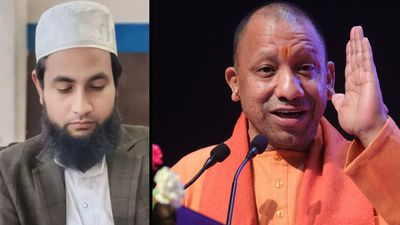 UP STF Nabs Maulana Abdullah Salim Over Controversial Comment On CM Yogi's Mother
 -
 Masood Azhar’s Brother Mohammad Tahir Dies In Pakistan Under Mysterious Circumstances, Cause Yet To Be Known
 -
 VerSe Innovation Appoints P.R. Ramesh as Independent Director and Chair of Audit Committee to Strengthen Governance Ahead of Next Phase of Growth
 -
 “Not Going To Be There Too Much Longer”: Trump Signals Endgame In Iran War
 -
 Iran Threatens To Hit US Companies in Region From April 1, Names Microsoft, Apple, Tesla, Boeing
 -
 ‘IPL Official’ Found Dead in Mumbai Hotel, Probe Underway
 -
 Leander Paes To Contest West Bengal Assembly Elections 2026? Tennis Star Joins BJP Ahead of Assembly Polls
 -
 April 1 Rule Changes: PAN, New Tax Law, ATM, FASTag, Cards to Impact Millions, What’s Changing?
 -
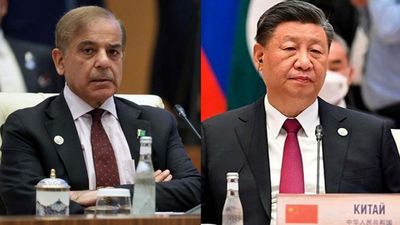 China, Pakistan Call for Immediate Ceasefire in Iran War, Push Peace Talks ‘As Soon As Possible’
 -
 Are Banks Closed or Open Today on Mahavir Jayanti? RBI Issues Special March 31 Instructions
 -
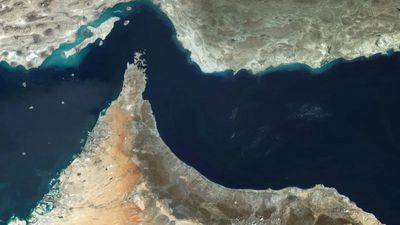 Iran’s New Hormuz Plan Targets Global Shipping with Tolls, What Does It Mean?



 Click it and Unblock the Notifications
 Sign in with Google