


Iranian Presidential Hopefuls Vow to Improve Foreign Relations and Address Sanctions


Iran's presidential candidates discussed foreign policy in a three-hour live debate on Monday. They promised to improve relations with other countries and work towards lifting sanctions. This was the fourth debate in a series of five, ahead of Friday's election. The final debate is scheduled for Tuesday.

All candidates vowed to seek the removal of Western sanctions on Iran but had varied approaches. Mohamad Bagher Qalibaf, the hardline pragmatic parliament speaker, stated, "We will definitely negotiate and reach an agreement" to revive the nuclear deal that President Donald Trump exited in 2018. He proposed a gradual policy, "taking step in return to step" for lifting sanctions.
Different Approaches to Sanctions
Saeed Jalili, a hardline contender and former nuclear negotiator, suggested making the enemy regret sanctioning Iran through economic means. He advocated for better economic ties with Latin America and African nations to counteract the sanctions. Masoud Pezeshkian, a reformist parliament member, emphasised resolving issues related to the nuclear deal and global relations.
Pezeshkian also mentioned he would "not tolerate occupation and genocide," indirectly referring to Israel and its conflict with Gaza. The three other hardline candidates also committed to pursuing the lifting of sanctions. Amir Hossein Qazizadeh Hashemi, a current vice president, said negotiations with Trump could impose Iran's demands if Trump wins the U.S. presidential election.
Blame on Previous Administration
The hardline candidates attributed Iran's isolation and foreign relations issues to former President Hassan Rouhani's administration. Rouhani's moderate stance led to the 2015 nuclear deal with world powers. Many of Rouhani’s allies support Pezeshkian in this election.
Supreme Leader Ayatollah Ali Khamenei holds ultimate authority over significant state matters, including nuclear negotiations and foreign policy. All candidates promised improved relations with neighbouring countries and urged Iranians to participate in the election.
Heightened Tensions
This week's election occurs amid heightened tensions with the West over Iran's advancing nuclear program, its support for Russia in Ukraine, and crackdowns on dissent. Iran's backing of militia proxy forces in the Middle East has also drawn attention, especially as Iranian-backed Houthi rebels in Yemen attack ships in the Red Sea due to the Israel-Hamas war in Gaza.
Ebrahim Raisi won Iran's 2021 presidential election with the lowest turnout in the Islamic Republic's history. Candidates are now urging citizens to vote despite these tensions.
The debates have highlighted differing strategies among candidates regarding foreign policy and sanctions. Each candidate aims to present a vision that addresses both international relations and domestic concerns.
-
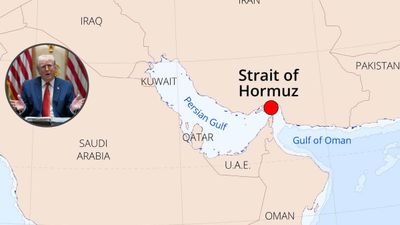 When Will Strait of Hormuz Reopen? Donald Trump’s Iran War Speech Suggests No Quick Relief
 -
 Iran Threatens To Hit US Companies in Region From April 1, Names Microsoft, Apple, Tesla, Boeing
 -
 What Is The ‘Stone Age’ Warning Donald Trump Issued To Iran? Says ‘No Deal, No Mercy’
 -
 Donald Trump Offers To Buy Oil From The US, Says “We Have Plenty”; Claims Iran War Will “Finish Very Fast'
 -
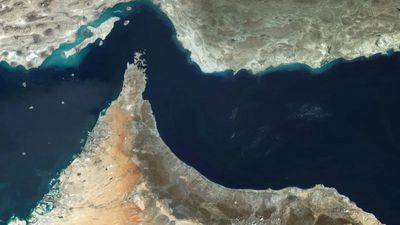 Iran’s New Hormuz Plan Targets Global Shipping with Tolls, What Does It Mean?
 -
 Will Donald Trump Quit NATO After Iran War Rift? Europe Unites As Alliance Faces Its Biggest Crisis In Decades
 -
 Trump Warns Iran Of Possible Attacks On Energy Sites Amid Israel-Hezbollah Conflict
 -
 Trump Signals US Exit from Iran Within Weeks, Shifts Focus from Diplomacy to Military Goals
 -
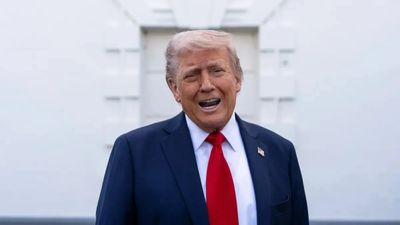 ‘Iran Wants Ceasefire’: Donald Trump Threatens To Send Tehran ‘Back To The Stone Age’
 -
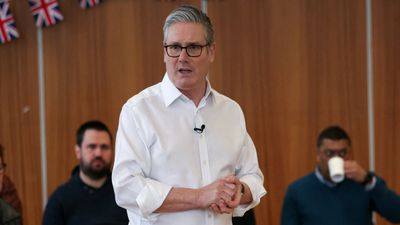 Starmer Warns Iran Conflict Will Impact UK, But Pledges to ‘Weather The Storm’
 -
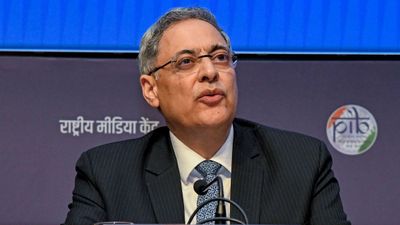 Iran Crisis: Over 5.98 Lakh Indians Have Returned Home, Confirms Govt
 -
 Gold Rate Today 31 March 2026: Latest IBJA Benchmark And Tanishq, Kalyan, Malabar, Joyalukkas Rates



 Click it and Unblock the Notifications
 Sign in with Google