


EU Shifts Meeting from Hungary Amid Orban's Russia Outreach Efforts


Hungary will not host a strategic EU meeting next month due to Prime Minister Viktor Orbán's recent trips to Moscow and Beijing. These visits, aimed at ending the war in Ukraine, were seen by EU partners as undermining their support for Kyiv. "We have to send a signal, even if it is a symbolic signal," said EU foreign affairs chief Josep Borrell on Monday in Brussels.

Orbán's government has delayed sanctions on Moscow and blocked significant military aid for Kyiv, which other EU partners had agreed upon. Orbán is viewed as having the closest relationship with Russia among EU leaders and is politically isolated regarding the Ukraine conflict. His actions have led to widespread condemnation within the EU.
EU Meeting Relocation
The annual late August gathering known as the Gymnich was expected to be held in Budapest but will now take place in Brussels in September. Hungary currently holds the rotating EU presidency. Borrell explained that while there was division among member states about attending the meeting in Budapest, he had the authority to decide its relocation.
Before this decision, Hungarian Foreign Minister Péter Szijjártó criticised the move as "fantastic revenge." He condemned what he described as a "concerted, hysterical, often mocking series of attacks" on Orbán's meetings with Russian President Vladimir Putin and Chinese President Xi Jinping. Despite his criticism, Szijjártó indicated he would still attend if the meeting were moved to Brussels.
Orbán's Peace Mission
Orbán has portrayed himself as uniquely positioned to communicate with both sides of the Ukraine conflict, seeking the quickest path to peace. However, other EU leaders insisted that Orbán did not represent them during his meetings with Putin and Xi. Some EU nations and the European Commission responded by stating their top officials would boycott informal EU meetings hosted by Hungary and send civil servants instead.
Hungary took over the six-month rotating role on July 1. Since then, Orbán has visited Ukraine, Russia, Azerbaijan, China, and the United States on what he calls a "peace mission" aimed at ending Russia's war in Ukraine. Critics accuse him of acting against the unity and interests of both the EU and NATO, of which Hungary is a member.
Borrell noted that while condemnation of Hungary's recent actions was widespread, there was division among member states about attending the meeting in Budapest. Ultimately, he decided it was within his power to relocate the meeting to Brussels.
Orbán's stance has led to political isolation within the EU. His government has held up sanctions on Moscow and significant military aid for Kyiv agreed upon by other partners. This isolation was evident when only Slovakia's deputy foreign minister vocally supported Hungary's "peace mission."
The nationalist Orbán startled his EU counterparts by appearing to speak for the 27-member bloc during his meetings with Putin and Xi. Other EU leaders insisted that Orbán did not represent them at these meetings.
The decision to move the meeting from Budapest to Brussels underscores the EU's disapproval of Orbán's actions. It also highlights the ongoing tension within the bloc regarding its approach to Russia's invasion of Ukraine.
Orbán’s critics argue that his actions undermine EU unity and NATO interests. They accuse him of pursuing an appeasement strategy towards Russia despite its invasion of Ukraine.
The upcoming foreign and defence ministers' meeting will now take place in Brussels instead of Budapest. This decision reflects broader concerns within the EU about Hungary’s recent diplomatic moves.
The relocation of this strategic meeting sends a clear message about the EU’s stance on Hungary’s recent actions. It also emphasises the importance of maintaining a united front in support of Ukraine amidst ongoing tensions with Russia.
This development marks another chapter in Hungary’s complex relationship with its EU partners. It also highlights ongoing challenges within the bloc regarding its collective response to global conflicts.
The decision to relocate underscores broader concerns within the EU about Hungary’s diplomatic moves. It also highlights ongoing challenges within the bloc regarding its collective response to global conflicts.
This move reflects broader concerns within the EU about Hungary’s recent diplomatic actions. It also underscores ongoing challenges within the bloc regarding its collective response to global conflicts.
Hungary’s recent diplomatic actions have led to widespread condemnation within the EU. The decision to relocate this strategic meeting underscores broader concerns about Hungary’s stance on key issues affecting the bloc.
-
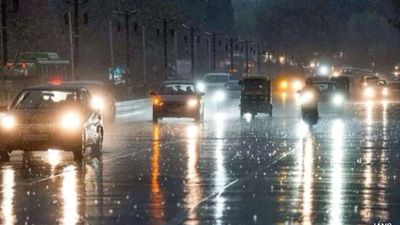 Thunderstorm Warning In Delhi NCR: IMD Issues Orange Alert Amid Sudden Weather Shift
 -
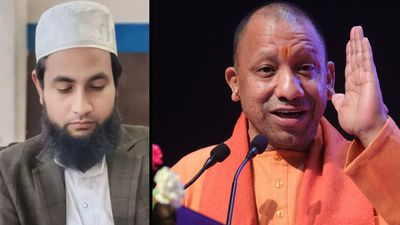 UP STF Nabs Maulana Abdullah Salim Over Controversial Comment On CM Yogi's Mother
 -
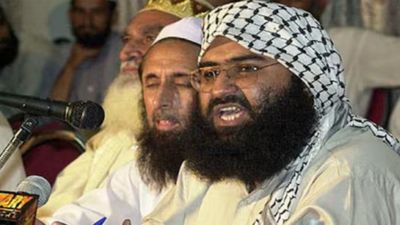 Masood Azhar’s Brother Mohammad Tahir Dies In Pakistan Under Mysterious Circumstances, Cause Yet To Be Known
 -
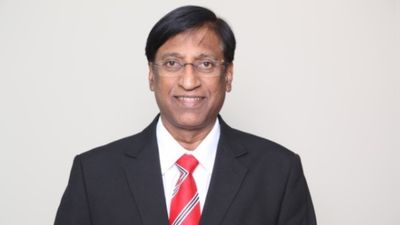 VerSe Innovation Appoints P.R. Ramesh as Independent Director and Chair of Audit Committee to Strengthen Governance Ahead of Next Phase of Growth
 -
 “Not Going To Be There Too Much Longer”: Trump Signals Endgame In Iran War
 -
 Iran Threatens To Hit US Companies in Region From April 1, Names Microsoft, Apple, Tesla, Boeing
 -
 ‘IPL Official’ Found Dead in Mumbai Hotel, Probe Underway
 -
 Leander Paes To Contest West Bengal Assembly Elections 2026? Tennis Star Joins BJP Ahead of Assembly Polls
 -
 April 1 Rule Changes: PAN, New Tax Law, ATM, FASTag, Cards to Impact Millions, What’s Changing?
 -
 China, Pakistan Call for Immediate Ceasefire in Iran War, Push Peace Talks ‘As Soon As Possible’
 -
 Are Banks Closed or Open Today on Mahavir Jayanti? RBI Issues Special March 31 Instructions
 -
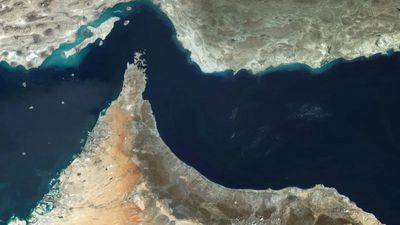 Iran’s New Hormuz Plan Targets Global Shipping with Tolls, What Does It Mean?



 Click it and Unblock the Notifications
 Sign in with Google