


ECOWAS Establishes Exit Timeline for Niger, Mali, and Burkina Faso Amid Coup Challenges


The Economic Community of West African States (ECOWAS) has approved a timeline for the exit of three nations affected by military coups. This decision follows nearly a year of mediation efforts aimed at preventing the disintegration of the regional bloc. In January, Niger, Mali, and Burkina Faso announced their intention to leave ECOWAS, citing dissatisfaction with sanctions and lack of support in addressing their security issues.

ECOWAS has set a transitional period from 29 January 2025 to 29 July 2025 for these countries. During this time, the bloc's doors will remain open to them, as stated by ECOWAS Commission President Omar Alieu Touray at a summit in Abuja, Nigeria. Despite ECOWAS's efforts, the three nations have largely resisted reversing their decision to withdraw.
Impact on Regional Unity
The withdrawal of these countries poses significant challenges to ECOWAS, which has been a key political authority in West Africa since 1975. Babacar Ndiaye from the Timbuktu Institute for Peace Studies highlighted this as the bloc's biggest challenge since its inception. The juntas' reluctance to commit to democracy complicates efforts to reintegrate them into ECOWAS.
Nigeria's President Bola Tinubu, who chairs ECOWAS, emphasised the importance of unity in facing global and regional challenges. He stated that protecting citizens and fostering prosperity should remain the bloc's primary focus. The departure of these nations could impact visa-free movement within member states, a significant benefit of ECOWAS membership.
Future Relations and Challenges
In July, ECOWAS Commission President warned that leaving an agreement could risk losing concessions like free trade and movement. On Saturday, Niger, Mali, and Burkina Faso issued a joint statement affirming visa-free access for West African citizens but reserved the right to deny entry to certain individuals.
Mucahid Durmaz from Verisk Maplecroft noted that ECOWAS's inconsistent responses to coups have raised concerns about its commitment to democratic governance. Recognising military juntas as legitimate authorities would contradict the bloc's founding principles and risk further regional fragmentation.
Touray praised the efforts of ECOWAS envoys in addressing the crisis, highlighting their dedication to maintaining peace and unity in the region. However, Durmaz criticised the bloc for not managing the situation effectively, suggesting that political ambitions may have influenced its stance more than its core principles.
The likelihood of reintegrating these countries into ECOWAS remains low due to their lack of commitment to democratic transitions. As they prepare for their departure by January next year, they are exploring options for issuing travel documents independently and forming new alliances.
-
 Thunderstorm Warning In Delhi NCR: IMD Issues Orange Alert Amid Sudden Weather Shift
 -
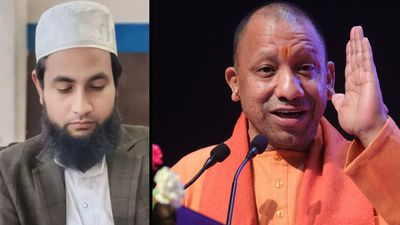 UP STF Nabs Maulana Abdullah Salim Over Controversial Comment On CM Yogi's Mother
 -
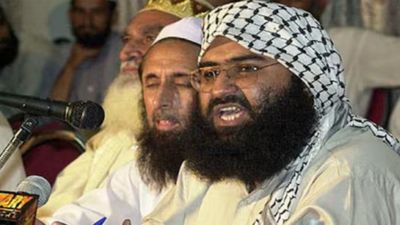 Masood Azhar’s Brother Mohammad Tahir Dies In Pakistan Under Mysterious Circumstances, Cause Yet To Be Known
 -
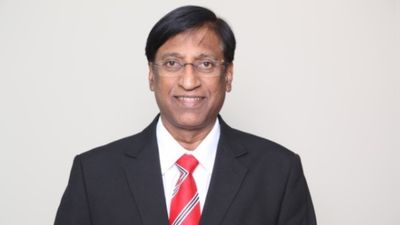 VerSe Innovation Appoints P.R. Ramesh as Independent Director and Chair of Audit Committee to Strengthen Governance Ahead of Next Phase of Growth
 -
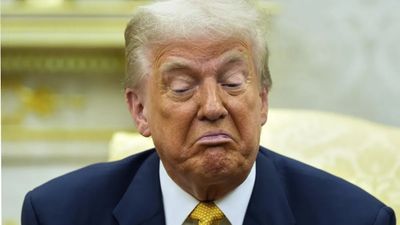 “Not Going To Be There Too Much Longer”: Trump Signals Endgame In Iran War
 -
 Iran Threatens To Hit US Companies in Region From April 1, Names Microsoft, Apple, Tesla, Boeing
 -
 ‘IPL Official’ Found Dead in Mumbai Hotel, Probe Underway
 -
 Leander Paes To Contest West Bengal Assembly Elections 2026? Tennis Star Joins BJP Ahead of Assembly Polls
 -
 April 1 Rule Changes: PAN, New Tax Law, ATM, FASTag, Cards to Impact Millions, What’s Changing?
 -
 China, Pakistan Call for Immediate Ceasefire in Iran War, Push Peace Talks ‘As Soon As Possible’
 -
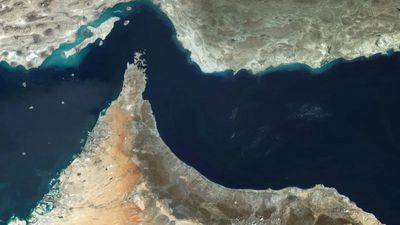 Iran’s New Hormuz Plan Targets Global Shipping with Tolls, What Does It Mean?
 -
 Are Banks Closed or Open Today on Mahavir Jayanti? RBI Issues Special March 31 Instructions



 Click it and Unblock the Notifications
 Sign in with Google