


Boris Johnson Defends Pandemic Response in Inquiry Testimony
Former British Prime Minister Boris Johnson defended his actions during the COVID-19 pandemic in testimony to a public inquiry, rejecting claims that his indifference and failure to heed scientific advice led to unnecessary deaths.


In a highly anticipated appearance before Britain's inquiry into the COVID-19 pandemic, former Prime Minister Boris Johnson vehemently defended himself against accusations of indifference and disregard for scientific advice, which critics claim led to avoidable fatalities during the crisis.

Johnson Rejects Claims of Indifference
During his second day of sworn testimony, Johnson firmly refuted allegations that he was willing to sacrifice the elderly to safeguard the economy and that he hesitated in implementing a second nationwide lockdown as infection rates surged in late 2020. Drawing from his personal experience of battling COVID-19 in the intensive care unit, Johnson emphasized his firsthand understanding of the severity of the disease and his unwavering commitment to protecting the nation from its devastating effects.
Inquiry Aims to Learn from Pandemic
The ongoing inquiry, which commenced public hearings earlier this year and is projected to continue until 2027, seeks to extract valuable lessons from the COVID-19 pandemic to enhance the nation's preparedness for future health crises. Johnson's testimony provided an opportunity for him to present his perspective on events that transpired 17 months prior, when a series of scandals, including revelations of lockdown-violating parties, culminated in his resignation.
Criticism of Government's Response
Families of COVID-19 victims have voiced strong criticism of the government's handling of the pandemic, citing delays in establishing an effective testing system, the discharge of infected hospital patients into care homes, and indecision regarding restrictions on social interactions. These factors are believed to have contributed to the United Kingdom's higher death toll compared to other European countries.
Johnson's Defense of Controversial Decisions
Johnson defended his efforts to strike a balance between public health measures and economic considerations, particularly the "Eat Out to Help Out" program, which aimed to support the hospitality industry by subsidizing restaurant meals following the first lockdown. Despite concerns raised by leading scientists about the program's potential to exacerbate the spread of COVID-19, Johnson asserted that he had no reason to doubt the initiative's safety.
Balancing Public Health and Personal Freedoms
As infection rates escalated, the government faced the dilemma of implementing another lockdown, which would save lives but significantly curtail personal freedoms. Johnson's administration opted for a series of less stringent measures before resorting to a second national lockdown on October 31, 2020.
Testimony Amidst Controversy
Johnson's testimony followed weeks of evidence presented by other ministers, including former Health Secretary Matt Hancock, who expressed concerns within the government about the severity of the COVID-19 threat. Hancock argued that thousands of lives could have been spared if the first national lockdown had been imposed a few weeks earlier. The United Kingdom subsequently endured one of Europe's lengthiest and strictest lockdowns, resulting in a high COVID-19 death toll, with over 232,000 fatalities attributed to the virus.
Public Reaction and Protests
Despite Johnson's apologies, bereaved families remain deeply critical of his actions. Protesters outside the inquiry building voiced their anger and disapproval, shouting "murderer" and "shame on you" as Johnson departed.
Boris Johnson's testimony before the COVID-19 inquiry provided an opportunity for him to address accusations of negligence and defend his decision-making during the pandemic. While he acknowledged mistakes, Johnson maintained that he made the right choices, particularly in prioritizing vaccine development. The inquiry aims to draw valuable lessons from the crisis to better prepare for future pandemics, while the public remains divided in their assessment of the government's response.
-
 Spain Rejects US War Flights, Closes Airspace To Aircraft Linked To Iran Operation
 -
 IPL 2026: Rohit Sharma’s Blazing 78 Powers Mumbai Indians to Big Win Over Kolkata Knight Riders
 -
 Gold Rate Today 31 March 2026: Latest IBJA Benchmark And Tanishq, Kalyan, Malabar, Joyalukkas Rates
 -
 Gold Rate Today 30 March 2026: IBJA Benchmark Rates, Tanishq, Kalyan, Malabar, Joyalukkas Prices
 -
 Gold Silver Rate Today, 30 March 2026: City-Wise Prices, MCX Update On 24K Gold, 22K Gold And Silver
 -
 LPG Crunch: Karnataka Brings New SOPs, Makes PNG Registration Mandatory for Businesses
 -
 Hyderabad Gold Silver Rate Today, 30 March 2026: Check Fresh 24K, 22K, 18K Gold And Silver Prices In City
 -
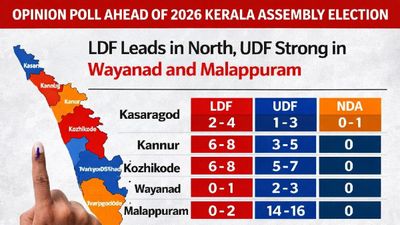 Opinion Poll For Kerala Assembly Election 2026: Ldf Strength In Kannur And Kasaragod
 -
 Tamil Nadu Polls 2026: Vijay Reveals Rs 645 Crore Assets, Rs 266 Crore in Banks; Know All His Declaration
 -
 Mumbai Metro Line 9 Set for April 3 Launch, Dahisar-Mira Bhayandar to Get Direct Boost
 -
 Hyderabad Gold Silver Rate Today, 31 March 2026: Gold And Silver See Fresh Movement, Check Latest City Rates
 -
 Gold Silver Rate Today, 31 March 2026: City-Wise Prices, MCX Trend As Gold Rises And Silver Slips



 Click it and Unblock the Notifications
 Sign in with Google