


Analysis On Iranian Women’s Struggle: Beyond The Hijab – A Fight For Equality And True Liberation


In recent days, the struggle for women's rights in Iran has come into sharp focus again, ignited by footage of an Iranian woman stripping in protest against the state's dress codes. The young woman, protesting on the campus of Tehran's Science and Research University, has sparked both admiration and controversy worldwide.
However, the focus on bodily autonomy and hijab alone risks oversimplifying the broader struggle of Iranian women, a movement interwoven with economic, social, and political injustices that demand global attention and nuanced understanding.

A Struggle Beyond Clothing
The act of protest at the university stands as more than a symbolic gesture against the mandatory hijab. It reveals the deeper struggles Iranian women face, from economic deprivation to political repression. Since the 2022 death of Mahsa Amini, a young woman who died in police custody for allegedly violating Iran's dress code, the debate on Iranian women's rights has resurged. Yet, with the recent viral footage, many in the West have simplified these issues, often viewing hijab removal as the ultimate quest for freedom, while overlooking the broader socio-economic factors impacting Iranian women's lives.
In the United States, for instance, where women battle for reproductive rights and bodily autonomy, many see hijab removal as a universal symbol of liberation. But Iranian women's rights go beyond dress codes; they are rooted in a desire for self-determination and justice that encompasses the economic hardships they endure, such as job scarcity, inflation, and insufficient social services. The narrative that solely focuses on hijab, while resonant to some, fails to capture these women's complex experiences.
Selective Empathy and the Problem with Western Narratives
Western narratives frequently support and amplify the symbolism of the hijab protest but often ignore or downplay the systemic issues impacting women across the Middle East, including in Palestine and Lebanon. This selective empathy from Western media and governments reflects a narrow, often hypocritical approach. While they laud Iranian women's resistance against an Islamic regime, the same governments may support policies that harm women in other regions, suggesting that Western solidarity with Iranian women is conditional and agenda-driven.
Iranian women feel the dissonance. They see the support for their struggle against the hijab, but not for the challenges they face under international sanctions. These sanctions, imposed by the very Western governments championing their "freedom," stymie economic growth and inflate living costs, disproportionately affecting women and children. For many Iranian women, the advocacy by Western media feels incomplete, if not outright insincere.
The Western Obsession with Bodily Autonomy
The concept of bodily autonomy is central to feminist discourse in the West. However, Iranian women see it as only one facet of a much broader agenda that includes socio-economic equality, fair political representation, and relief from state repression. While advocates in the West view the hijab as a restriction of freedom, Iranian women are pushing for more comprehensive liberation: opportunities to work, access to affordable living, and freedom from pervasive inequalities.
By focusing on bodily autonomy as a primary goal, Western liberals risk trivializing the interconnected issues that Iranian women face, often casting the movement in terms that align with Western ideals rather than the lived realities of these women. True solidarity, Iranian activists argue, should encompass not only the fight for personal freedoms but also for economic and political rights.
The Complex Realities of Iranian Women's Struggles
The economic realities for Iranian women are shaped by both domestic policies and the strain of international sanctions. They face unemployment, high inflation, and limited access to basic resources, which often affect their lives more tangibly than the hijab mandate. Yet these issues are frequently sidelined in Western feminist discourse, which prefers to frame the conversation around more familiar narratives of bodily freedom. For Iranian women, however, the economic barriers they confront are an essential part of the struggle for self-determination and one that they believe deserves equal focus.
Beyond Symbols: A Call for Comprehensive Support
Iranian women's rights activists argue that focusing solely on hijab removal diminishes the diverse aspirations of women in Iran. While the viral protest footage has indeed highlighted issues of autonomy, Iranian women emphasize that their fight is about more than sartorial choices - it's about dignity and the right to exist without being reduced to symbols. They seek not only control over their bodies but a future characterized by justice, equality, and genuine freedom.
As Western media and advocates celebrate such acts of defiance, they must also reckon with the limitations of their engagement. Supporting Iranian women's rights means acknowledging the complex realities of their lives - a reality that includes, but is not limited to, bodily autonomy. True support requires advocating for economic and political freedoms that align with the broader spectrum of Iranian women's goals, rather than just the elements that suit Western narratives.
Iranian women, as they continue their struggle, remind the world that their fight is about dignity, empowerment, and justice. Their protests are a call for comprehensive solidarity that looks beyond symbols and embraces the full scope of their aspirations for a better future.
-
 Iran’s New Hormuz Plan Targets Global Shipping with Tolls, What Does It Mean?
 -
 Iran Crisis: Over 5.98 Lakh Indians Have Returned Home, Confirms Govt
 -
 Trump Warns Iran Of Possible Attacks On Energy Sites Amid Israel-Hezbollah Conflict
 -
 Starmer Warns Iran Conflict Will Impact UK, But Pledges to ‘Weather The Storm’
 -
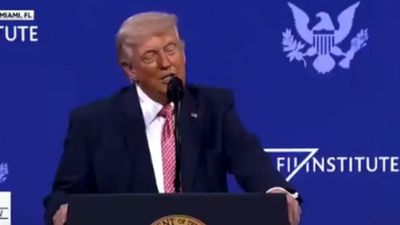 Trump Signals US Exit from Iran Within Weeks, Shifts Focus from Diplomacy to Military Goals
 -
 Gold Rate Today 31 March 2026: Latest IBJA Benchmark And Tanishq, Kalyan, Malabar, Joyalukkas Rates
 -
 Hyderabad Gold Silver Rate Today, 31 March 2026: Gold And Silver See Fresh Movement, Check Latest City Rates
 -
 Gold Silver Rate Today, 31 March 2026: City-Wise Prices, MCX Trend As Gold Rises And Silver Slips
 -
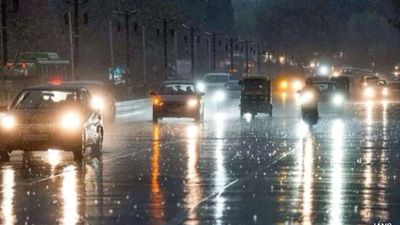 Thunderstorm Warning In Delhi NCR: IMD Issues Orange Alert Amid Sudden Weather Shift
 -
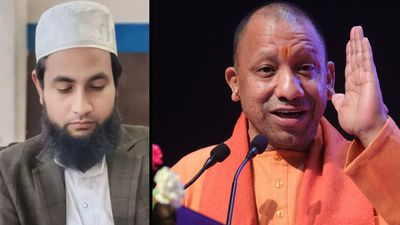 UP STF Nabs Maulana Abdullah Salim Over Controversial Comment On CM Yogi's Mother
 -
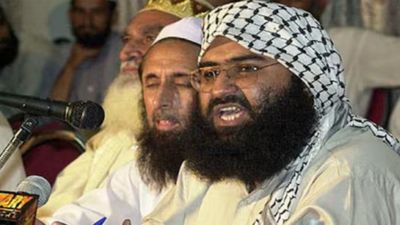 Masood Azhar’s Brother Mohammad Tahir Dies In Pakistan Under Mysterious Circumstances, Cause Yet To Be Known
 -
 VerSe Innovation Appoints P.R. Ramesh as Independent Director and Chair of Audit Committee to Strengthen Governance Ahead of Next Phase of Growth



 Click it and Unblock the Notifications
 Sign in with Google