


Material Innovation in S.S. Ray's Architectural Projects: Balancing Tradition and Technology


Modern architecture in developing nations has the challenging task of balancing the use of indigenous materials and construction techniques with the incorporation of advanced construction technologies. This balancing act means that architects need to walk a tightrope between conserving local craftsmanship traditions and embracing new materials with superior performance, longevity, and building efficiency. The successful combination of traditional materials and modern ones usually goes a long way towards establishing the architectural identity of a region and making buildings functional, responsive, and safe for contemporary needs.
In India, this material conversation has become especially relevant as the building industry has developed to include world technologies while keeping relationships with local building practices. Materials like stone, wood, and clay have been employed in Indian construction for centuries, finding intricate uses through generations of builders. Advanced materials such as steel, concrete, and advanced composites have the benefits of structural capacity, weather resistance, and building speed, but they need to be integrated with great attention given to aesthetic compatibility and cultural suitability.

The architectural practice of eastern India has seen significant innovation in the use of materials, specifically in Odisha, where there are rich traditions of woodwork, stone carving, and traditional building practices existing alongside the demands of modern construction. The architectural heritage of the region, as represented by the ancient temples and the traditional house, offers a rich vocabulary of material uses that can be reinterpreted by contemporary architects using modern construction technologies.
S.S. Ray's method of material innovation reflects evolved insight into this reconciliation between traditional style and modern performance demands. His architectural work at all times projects what may be termed a polylithic explication of materiality, wherein modern materials are utilized to convey traditional aesthetic sensibilities. This method reflects a design ethos that perceives material as more than mere functional elements but as bearers of cultural significance and architectural character.
Ray's work heavily involves natural stone, taking advantage of Odisha's long history of stoneworking and the area's plentiful supply of stone. His work shows innovative uses for local types of stone, employing modern cutting and fitting methods to create old aesthetic effects with conventional finishes alongside the structural demands of the present day. The incorporation of carved stone components, including conventionally styled skirting and sculptural elements, with up-to-date concrete and steel systems illustrates this union of old and new material strategies.
Wood is another important part of Ray's material vocabulary, used both structurally and ornamentally in ways that pay homage to traditional craftsmanship yet respond to today's functional needs. His buildings include wood elements made by local craftsmen, such as carved brackets, decorative panels, and bespoke furniture pieces that introduce warmth and cultural particularity into modern architectural environments. The application of wood even reaches as far as novel uses like fenestration systems offering climate control with conventional louvered concepts transformed with modern hardware and installation techniques.
The material ingenuity of the architect extends to merging traditional art forms in modern construction systems. His use of Patta Chitra paintings on door frames and ceilings is a prime example of how traditional art practices can be retained and showcased within modern construction contexts. Such an undertaking takes careful planning between traditional painters and modern construction teams to implement harmoniously as well as maintain over time.
Ray's material choices also meet the practical needs of tropical climate construction, drawing on tried knowledge regarding material durability in wet conditions as well as applying contemporary protective treatments and installation methods. His schemes reflect awareness of how various materials react to monsoon weather, temperature variation, and humidity levels typical of eastern India's climate.
The sustainable nature of Ray's choice of materials demonstrates increasing awareness of environmental stewardship in building. His use of regional materials minimizes transport effects while contributing to local economies and craft skills. This policy aligns with modern sustainable design policies while preserving the cultural integrity and architectural uniqueness that sets his work apart in the larger context of Indian architecture.
-
 Thunderstorm Warning In Delhi NCR: IMD Issues Orange Alert Amid Sudden Weather Shift
 -
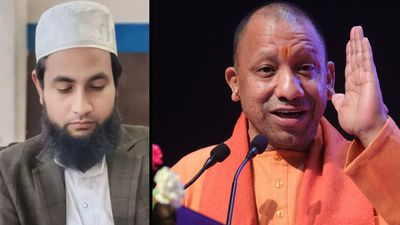 UP STF Nabs Maulana Abdullah Salim Over Controversial Comment On CM Yogi's Mother
 -
 Masood Azhar’s Brother Mohammad Tahir Dies In Pakistan Under Mysterious Circumstances, Cause Yet To Be Known
 -
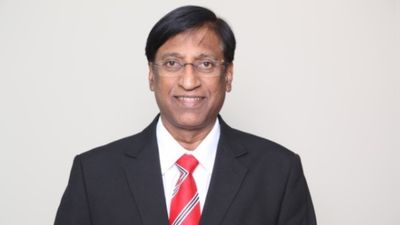 VerSe Innovation Appoints P.R. Ramesh as Independent Director and Chair of Audit Committee to Strengthen Governance Ahead of Next Phase of Growth
 -
 “Not Going To Be There Too Much Longer”: Trump Signals Endgame In Iran War
 -
 Iran Threatens To Hit US Companies in Region From April 1, Names Microsoft, Apple, Tesla, Boeing
 -
 ‘IPL Official’ Found Dead in Mumbai Hotel, Probe Underway
 -
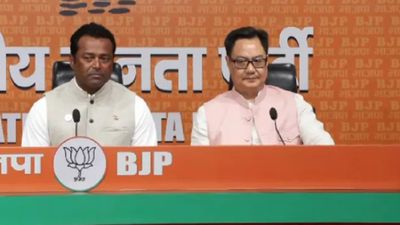 Leander Paes To Contest West Bengal Assembly Elections 2026? Tennis Star Joins BJP Ahead of Assembly Polls
 -
 April 1 Rule Changes: PAN, New Tax Law, ATM, FASTag, Cards to Impact Millions, What’s Changing?
 -
 China, Pakistan Call for Immediate Ceasefire in Iran War, Push Peace Talks ‘As Soon As Possible’
 -
 Are Banks Closed or Open Today on Mahavir Jayanti? RBI Issues Special March 31 Instructions
 -
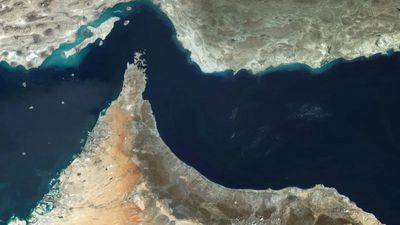 Iran’s New Hormuz Plan Targets Global Shipping with Tolls, What Does It Mean?



 Click it and Unblock the Notifications
 Sign in with Google