


Vande Mataram Row: Amit Shah Takes on Priyanka Gandhi, Slams Nehru, Indira Gandhi's "Divisive Politics"


Union Home Minister Amit Shah delivered a strong rebuttal in the Rajya Sabha after Priyanka Gandhi Vadra suggested that the government's decision to hold a parliamentary discussion on Vande Mataram was aimed at influencing the upcoming West Bengal elections.

AI-generated summary, reviewed by editors
Shah rejected the claim and argued that associating the national song with electoral motives weakens its historic and emotional legacy.
Shah Says Vande Mataram Belongs to the Entire Nation
Shah noted that critical questions had been raised about why Parliament should hold a debate to mark 150 years of Vande Mataram. He reminded the House that conversations around national commitment have always been relevant.
"There was a need for a discussion on Vande Mataram and dedication towards Vande Mataram when it was written, when India became free, today and would remain even in 2047," he said. He urged critics to reflect on their objections, stating that anyone confused about the purpose of the discussion should introspect.
Expanding on the song's reach, Shah said that linking it to Bengal elections diminishes its national significance. "Some people feel Vande Mataram is being discussed because Bengal polls are approaching. They want to reduce Vande Mataram's glory by linking it with elections. It is true that Vande Mataram's creator, Bankim Babu was born in Bengal, but Vande Mataram did not remain restricted to Bengal, or to India. Anywhere in the world, when Indian freedom fighters met in hideouts, they said Vande Mataram. Even today, when our troops at the borders and those tasked with internal security sacrifice their lives, the words on their lips are Vande Mataram," he said.
Priyanka Gandhi Says Debate Aims to Distract Public
A day earlier, Priyanka Gandhi had questioned the need for a renewed debate on a national song that has been cherished for generations. She argued that the government appeared more eager to revisit symbolic issues than address concerns troubling citizens today. "This song has made a place in our hearts for over 150 years. Our country has been free for 75 years. What is the need for this debate now? You refused a debate on electoral reforms if we did not debate this. This is our national song. What is the debate?" she asked.
She accused the government of diverting attention from pressing matters. "Your objective is to keep us in the past because this government does not want to look at the present and the future," she said.
Government Rejects Allegations of Avoiding Real Issues
Responding to allegations of diversion, Shah stated that the government welcomes discussions across all policy areas. "We don't boycott Parliament. If they let the Parliament function, all issues will be discussed. We have nothing to hide," he said.
He also revisited a historical decision taken soon after Independence. According to Shah, the first Prime Minister, Jawaharlal Nehru, altered Vande Mataram by limiting its recitation to two stanzas. "Appeasement began from there, and that appeasement led to Partition. Many like me believe that if Vande Mataram was not split due to a policy of appeasement, Partition would not have happened," he said.
-
 Hyderabad Gold Silver Rate Today, 31 March 2026: Gold And Silver See Fresh Movement, Check Latest City Rates
 -
 Gold Silver Rate Today, 31 March 2026: City-Wise Prices, MCX Trend As Gold Rises And Silver Slips
 -
 Thunderstorm Warning In Delhi NCR: IMD Issues Orange Alert Amid Sudden Weather Shift
 -
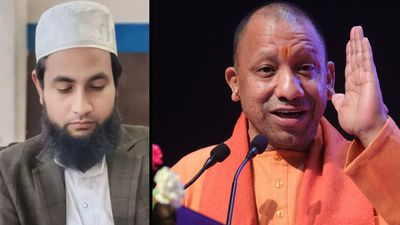 UP STF Nabs Maulana Abdullah Salim Over Controversial Comment On CM Yogi's Mother
 -
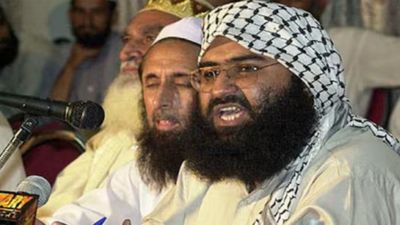 Masood Azhar’s Brother Mohammad Tahir Dies In Pakistan Under Mysterious Circumstances, Cause Yet To Be Known
 -
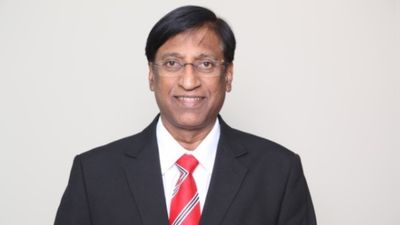 VerSe Innovation Appoints P.R. Ramesh as Independent Director and Chair of Audit Committee to Strengthen Governance Ahead of Next Phase of Growth
 -
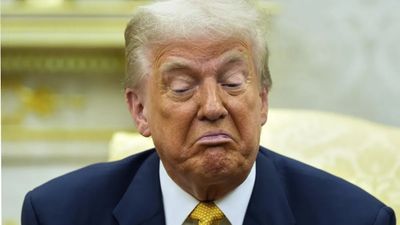 “Not Going To Be There Too Much Longer”: Trump Signals Endgame In Iran War
 -
 Iran Threatens To Hit US Companies in Region From April 1, Names Microsoft, Apple, Tesla, Boeing
 -
 ‘IPL Official’ Found Dead in Mumbai Hotel, Probe Underway
 -
 Leander Paes To Contest West Bengal Assembly Elections 2026? Tennis Star Joins BJP Ahead of Assembly Polls
 -
 April 1 Rule Changes: PAN, New Tax Law, ATM, FASTag, Cards to Impact Millions, What’s Changing?
 -
 China, Pakistan Call for Immediate Ceasefire in Iran War, Push Peace Talks ‘As Soon As Possible’



 Click it and Unblock the Notifications
 Sign in with Google