


USD 8 Trillion Opportunity in Sustainable Cooling Solutions for Developing Economies by 2050


The cooling industry in developing regions is projected to expand significantly, with an increase from approximately USD 300 billion to at least USD 600 billion annually by 2050, as per a recent report. The UN Environment Programme (UNEP)-led Cool Coalition and International Finance Corporation (IFC) report indicates that Africa will experience the most rapid growth, with its market increasing sevenfold, while South Asia's market is expected to quadruple.

The report, titled "Cooler Finance: Mobilizing Investment for the Developing World's Sustainable Cooling Needs," emphasises the importance of prioritising passive, energy-efficient, environmentally friendly, and economically viable cooling solutions. It highlights that two-thirds of cooling-related emissions in 2022 originated from developing countries, a figure that could exceed 80% by 2050 due to population growth, economic expansion, and urbanisation.
Focus on Sustainable Cooling Solutions
Sustainable cooling technologies have the potential to reduce cooling-related emissions by nearly half in developing economies by 2050. This can be achieved by prioritising passive cooling strategies such as insulation, reflective materials, enhancing green spaces, and adopting energy-efficient technologies. Enforcing minimum energy performance standards and new building energy codes, along with a faster phase-down of climate-warming refrigerants, are also crucial steps.
A systems approach to cold chains and large-scale cooling infrastructure services is essential. Additionally, incentives to promote innovation are vital for achieving these emission reductions. The sustainable cooling market presents a USD 600 billion opportunity for the private sector, potentially generating over USD 8 trillion in benefits for developing countries.
Investment Opportunities and Challenges
Makhtar Diop, IFC's Managing Director, stated that these nations are particularly vulnerable to the harmful effects of rising temperatures and urgently require cooling solutions. "We are proud to present this report which describes the opportunity to invest in sustainable, affordable, and scalable cooling solutions, aiming for near-zero emissions by 2050," he said.
The report also underscores the necessity for substantial upfront investments. Addressing existing gaps in access to cooling for households and SMEs in developing countries will require between USD 400-800 billion, alongside future demand increases. As record temperatures continue globally, maintaining cool environments is crucial for both community health and environmental well-being.
Addressing Climate Impact
Inger Andersen, Executive Director of UNEP, cautioned against creating a cycle where meeting cooling demands exacerbates global warming. "We need sustainable, affordable and energy efficient cooling solutions that both meet growing demand and support climate, health, food security, and economic development," she stated.
Governments, private enterprises, and multilateral banks can leverage this report to utilise various financial instruments for sustainable cooling and resilience against extreme heat. The focus should be on solutions that not only meet increasing demand but also contribute positively to climate goals.
Ultimately, addressing the challenges posed by rising temperatures requires a collaborative effort from all stakeholders. By investing in sustainable cooling technologies and strategies now, developing countries can secure a healthier future while mitigating climate impacts.
-
 Gold Silver Rate Today, 30 March 2026: City-Wise Prices, MCX Update On 24K Gold, 22K Gold And Silver
 -
 LPG Crunch: Karnataka Brings New SOPs, Makes PNG Registration Mandatory for Businesses
 -
 Hyderabad Gold Silver Rate Today, 30 March 2026: Check Fresh 24K, 22K, 18K Gold And Silver Prices In City
 -
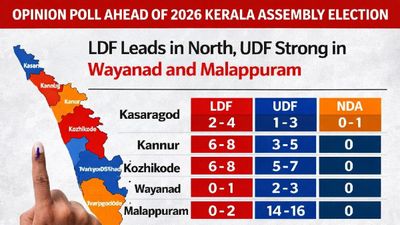 Opinion Poll For Kerala Assembly Election 2026: Ldf Strength In Kannur And Kasaragod
 -
 Tamil Nadu Polls 2026: Vijay Reveals Rs 645 Crore Assets, Rs 266 Crore in Banks; Know All His Declaration
 -
 Mumbai Metro Line 9 Set for April 3 Launch, Dahisar-Mira Bhayandar to Get Direct Boost
 -
 Hyderabad Gold Silver Rate Today, 31 March 2026: Gold And Silver See Fresh Movement, Check Latest City Rates
 -
 Gold Silver Rate Today, 31 March 2026: City-Wise Prices, MCX Trend As Gold Rises And Silver Slips
 -
 Rahul Arunoday Banerjee Autopsy Report: Actor Was Underwater For Over An Hour, Sand Found In Lungs
 -
 Thunderstorm Warning In Delhi NCR: IMD Issues Orange Alert Amid Sudden Weather Shift
 -
 Trump Hints At Breakthrough With Iran Amid War Escalation, Calls Recent Move A ‘Sign Of Respect’
 -
 UP STF Nabs Maulana Abdullah Salim Over Controversial Comment On CM Yogi's Mother



 Click it and Unblock the Notifications
 Sign in with Google