


Union Budget 2025: Key Highlights From Finance Minister Nirmala Sitharaman's Speech


Finance Minister Nirmala Sitharaman on Saturday presented the Union Budget 2025 and shared the government's financial roadmap for fiscal year 2025-26. In her 70-minute-long speech, the finance minister talked about cutting down tax burden on the middle class as individuals earning up to ₹12 lakh annually will not be required to pay any income tax under the new tax regime.
The motive behind increasing the tax slap is to power consumers' spending, which will directly affect the economy.

HERE ARE KEY HIGHLIGHTS OF BUDGET SPEECH:
The government has made a substantial commitment to infrastructure development by earmarking a record ₹10 lakh crore for capital expenditure, marking a 33% increase. This allocation is set to catalyze growth across various sectors of the economy, emphasizing the government's focus on building a robust infrastructure to support India's long-term growth aspirations.
In the agricultural sector, a substantial push has been given with the target for agriculture credit being raised to an impressive ₹20 lakh crore. This move is expected to provide a significant boost to the agricultural sector, ensuring that farmers have better access to credit for their cultivation needs and other requirements.
The announcement of a ₹35,000 crore allocation for energy transition projects underscores the government's commitment to green energy initiatives. This funding is aimed at accelerating India's transition towards renewable energy sources, highlighting the emphasis on sustainable development and environmental conservation.
To support the growth of Micro, Small, and Medium Enterprises (MSMEs), the government has revamped its credit guarantee scheme by infusing an additional ₹9,000 crore. This initiative is designed to facilitate easier access to credit for MSMEs, thereby encouraging entrepreneurship and contributing to job creation.
Furthermore, the healthcare sector will receive a significant boost with the establishment of 157 new nursing colleges. This initiative aims to strengthen the healthcare infrastructure by addressing the acute shortage of trained nursing staff, ensuring better healthcare services for the population.
The Urban Infrastructure Development Fund (UIDF) is another major initiative, with an annual allocation of ₹10,000 crore. This fund is intended to support the development of urban infrastructure, thereby improving the quality of life in cities and making them more livable and sustainable.
In an ambitious move to modernize the country's railway network, the government has allocated a historic ₹2.4 lakh crore for railway modernization. This investment represents the highest-ever railway outlay and is aimed at expanding and modernizing the railway network, enhancing connectivity and efficiency.
Efforts to digitize the economy continue with the promotion of digital payments and the introduction of Artificial Intelligence (AI)-based solutions in the agriculture and health sectors. These initiatives are expected to streamline processes, improve service delivery, and foster innovation.
Lastly, the government has set a fiscal deficit target of 5.9% of GDP for the financial year 2026. This target is part of a broader fiscal consolidation plan, aimed at ensuring long-term economic stability and growth.
-
 Hyderabad Gold Silver Rate Today, 31 March 2026: Gold And Silver See Fresh Movement, Check Latest City Rates
 -
 Gold Silver Rate Today, 31 March 2026: City-Wise Prices, MCX Trend As Gold Rises And Silver Slips
 -
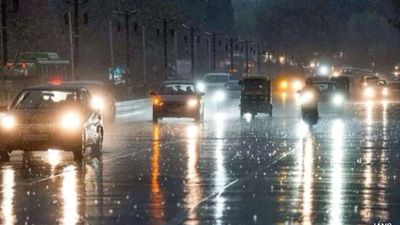 Thunderstorm Warning In Delhi NCR: IMD Issues Orange Alert Amid Sudden Weather Shift
 -
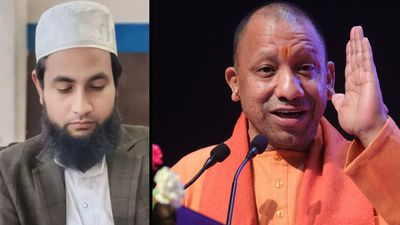 UP STF Nabs Maulana Abdullah Salim Over Controversial Comment On CM Yogi's Mother
 -
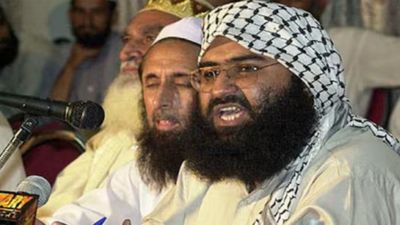 Masood Azhar’s Brother Mohammad Tahir Dies In Pakistan Under Mysterious Circumstances, Cause Yet To Be Known
 -
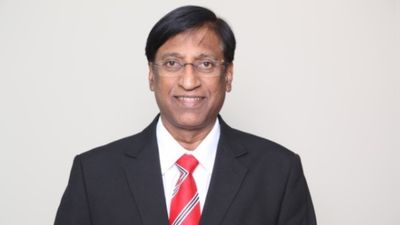 VerSe Innovation Appoints P.R. Ramesh as Independent Director and Chair of Audit Committee to Strengthen Governance Ahead of Next Phase of Growth
 -
 “Not Going To Be There Too Much Longer”: Trump Signals Endgame In Iran War
 -
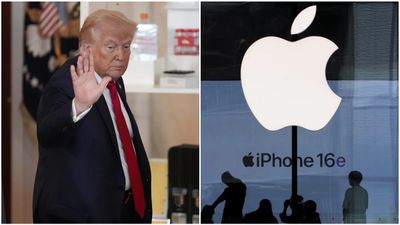 Iran Threatens To Hit US Companies in Region From April 1, Names Microsoft, Apple, Tesla, Boeing
 -
 ‘IPL Official’ Found Dead in Mumbai Hotel, Probe Underway
 -
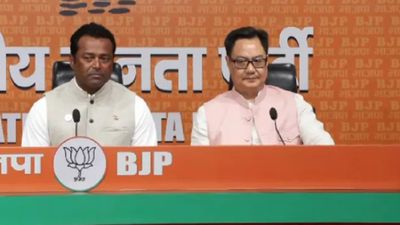 Leander Paes To Contest West Bengal Assembly Elections 2026? Tennis Star Joins BJP Ahead of Assembly Polls
 -
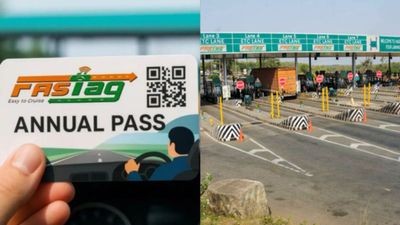 April 1 Rule Changes: PAN, New Tax Law, ATM, FASTag, Cards to Impact Millions, What’s Changing?
 -
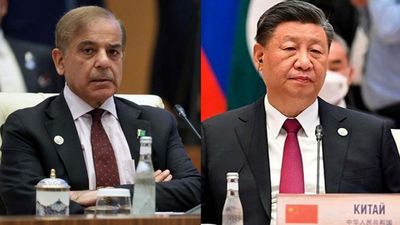 China, Pakistan Call for Immediate Ceasefire in Iran War, Push Peace Talks ‘As Soon As Possible’



 Click it and Unblock the Notifications
 Sign in with Google