


Uttarakhand High Court Directs Government to Submit Affidavit on Election Reservation Rules for Municipal Elections


The Uttarakhand High Court has requested the state government to submit a reply affidavit within four weeks. This comes as part of the ongoing petitions challenging the Reservation Rules 2024 for upcoming municipal elections. Justice Rakesh Thapliyal, presiding over the case, did not issue an interim order during the hearing.

The petitioners argued that the state government overlooked established rules when issuing the reservation notification. They claimed that the election schedule was announced on the same day, leaving no opportunity to raise objections. According to them, there should be a provision for objections after announcing reservations.
Reservation Rules and Population Concerns
The petitioners highlighted that seats with less than 10,000 OBC and ST population should not be reserved. They argued that areas like Almora, with fewer OBC and ST residents, should remain unreserved. Conversely, places such as Dehradun and Haldwani, which have higher populations, should have been reserved.
The state government defended its actions by stating that the reservation roster was implemented according to the Uttarakhand Uttar Pradesh Nagar Palika Act, 1916 Amendment Act. This amendment was notified on September 20 of the previous year. The government also cited Article 243 T of the Indian Constitution as a basis for their reservation decisions.
Legal Arguments and Upcoming Elections
The state government contended that the petition should have been filed as an election petition, questioning its maintainability in its current form. The next hearing in this case is scheduled for March 3. Meanwhile, municipal elections in Uttarakhand are set for January 23, with vote counting on January 25.
These elections will cover 11 municipal corporations, 43 municipal councils, and 46 nagar panchayats across the state. The outcome of this legal challenge could impact how reservations are handled in future elections.
This legal dispute highlights ongoing tensions between population demographics and reservation policies in Uttarakhand's electoral process. As both sides present their arguments, the court's decision will likely influence future electoral procedures in the region.
-
 Thunderstorm Warning In Delhi NCR: IMD Issues Orange Alert Amid Sudden Weather Shift
 -
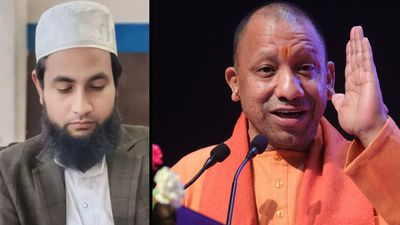 UP STF Nabs Maulana Abdullah Salim Over Controversial Comment On CM Yogi's Mother
 -
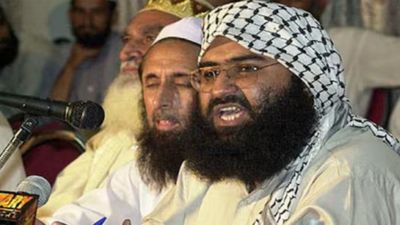 Masood Azhar’s Brother Mohammad Tahir Dies In Pakistan Under Mysterious Circumstances, Cause Yet To Be Known
 -
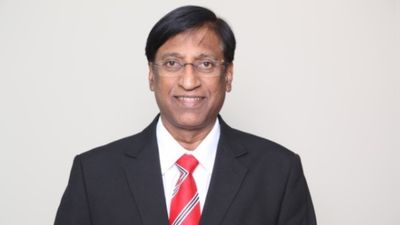 VerSe Innovation Appoints P.R. Ramesh as Independent Director and Chair of Audit Committee to Strengthen Governance Ahead of Next Phase of Growth
 -
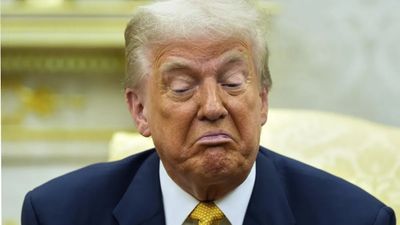 “Not Going To Be There Too Much Longer”: Trump Signals Endgame In Iran War
 -
 Iran Threatens To Hit US Companies in Region From April 1, Names Microsoft, Apple, Tesla, Boeing
 -
 ‘IPL Official’ Found Dead in Mumbai Hotel, Probe Underway
 -
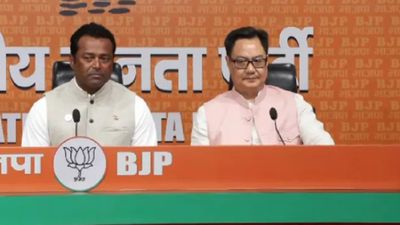 Leander Paes To Contest West Bengal Assembly Elections 2026? Tennis Star Joins BJP Ahead of Assembly Polls
 -
 April 1 Rule Changes: PAN, New Tax Law, ATM, FASTag, Cards to Impact Millions, What’s Changing?
 -
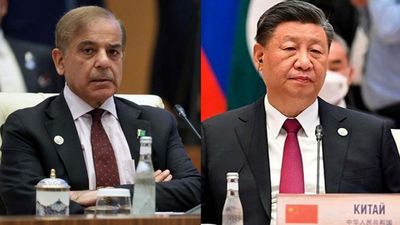 China, Pakistan Call for Immediate Ceasefire in Iran War, Push Peace Talks ‘As Soon As Possible’
 -
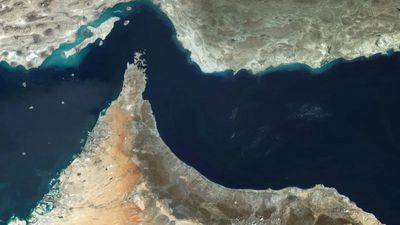 Iran’s New Hormuz Plan Targets Global Shipping with Tolls, What Does It Mean?
 -
 Are Banks Closed or Open Today on Mahavir Jayanti? RBI Issues Special March 31 Instructions



 Click it and Unblock the Notifications
 Sign in with Google