


Supreme Court Is People’s Court...Not Opposition In Parliament: CJI Chandrachud


During an international legal conference in South Goa, Chief Justice of India D Y Chandrachud highlighted the Supreme Court's role as "the people's court." He clarified that this does not mean acting like the Opposition in Parliament. Chandrachud warned against valuing the Court only when its decisions are favorable, emphasizing the need for judges to remain independent and decide cases based on their merits.
Chandrachud acknowledged valid criticism of the courts when it pertains to inconsistencies or errors in legal doctrine. However, he condemned criticism based solely on unfavorable outcomes. The Chief Justice emphasized that judges should apply legal principles without bias towards specific outcomes, maintaining judicial independence.

Supreme Court's Unique Role
The Chief Justice contrasted India's Supreme Court with its global counterparts. Established in 1950, it was designed to meet the needs of a then-poor society. Despite India's growing affluence, the Court continues to ensure access to justice for all citizens. Chandrachud also participated in releasing a book titled "Traditional Trees of Bharat" and inaugurated a new court complex at Merces.
Live-streaming court proceedings has transformed public access to the judiciary, according to Chandrachud. This transparency brings challenges like grandstanding by lawyers due to a wider audience reach. Nonetheless, it plays a crucial role in making the judiciary more accessible and understandable to the public.
Agent of Social Transformation
The Supreme Court's role extends beyond adjudicating constitutional disputes; it acts as an agent of social transformation. Chandrachud highlighted how daily decisions on minor issues provide guidance for lower courts and influence national discourse. This underscores the Court's broader impact on society.
The Chief Justice reiterated that while criticism is valid when addressing legal inconsistencies, it should not be based solely on unfavorable outcomes. This distinction is crucial for maintaining judicial integrity and independence in decision-making processes.
The conference hosted by the Supreme Court Advocates-on-Record Association (SCAORA) provided a platform for discussing these critical issues. It underscored the importance of upholding judicial independence while ensuring that the judiciary remains connected to societal needs and expectations.
-
 Thunderstorm Warning In Delhi NCR: IMD Issues Orange Alert Amid Sudden Weather Shift
 -
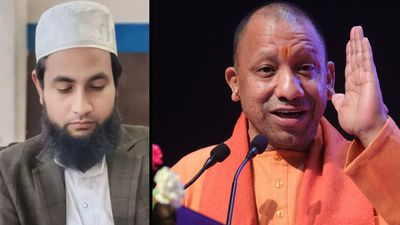 UP STF Nabs Maulana Abdullah Salim Over Controversial Comment On CM Yogi's Mother
 -
 Masood Azhar’s Brother Mohammad Tahir Dies In Pakistan Under Mysterious Circumstances, Cause Yet To Be Known
 -
 VerSe Innovation Appoints P.R. Ramesh as Independent Director and Chair of Audit Committee to Strengthen Governance Ahead of Next Phase of Growth
 -
 “Not Going To Be There Too Much Longer”: Trump Signals Endgame In Iran War
 -
 Iran Threatens To Hit US Companies in Region From April 1, Names Microsoft, Apple, Tesla, Boeing
 -
 ‘IPL Official’ Found Dead in Mumbai Hotel, Probe Underway
 -
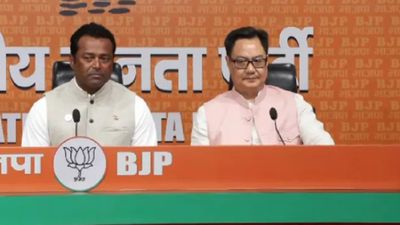 Leander Paes To Contest West Bengal Assembly Elections 2026? Tennis Star Joins BJP Ahead of Assembly Polls
 -
 April 1 Rule Changes: PAN, New Tax Law, ATM, FASTag, Cards to Impact Millions, What’s Changing?
 -
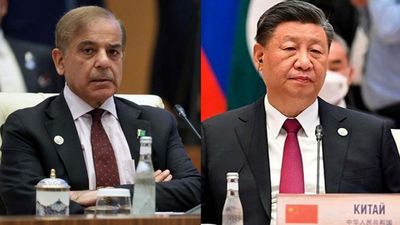 China, Pakistan Call for Immediate Ceasefire in Iran War, Push Peace Talks ‘As Soon As Possible’
 -
 Iran’s New Hormuz Plan Targets Global Shipping with Tolls, What Does It Mean?
 -
 Are Banks Closed or Open Today on Mahavir Jayanti? RBI Issues Special March 31 Instructions



 Click it and Unblock the Notifications
 Sign in with Google