


Supreme Court Confirms Aadhaar Cannot Be Treated As Conclusive Proof Of Citizenship


The Supreme Court has upheld the Election Commission of India's (ECI) position that Aadhaar cannot be considered conclusive proof of citizenship and must be independently verified. According to India Today This ruling came during hearings on petitions challenging Bihar's Special Summary Revision (SSR) of electoral rolls, amid concerns about mass exclusions.
A bench led by Justice Surya Kant stated, "The Election Commission is correct in asserting that Aadhaar cannot be accepted as conclusive proof of citizenship. Verification is essential." Justice Kant also highlighted that the primary issue to resolve was whether the ECI possesses the authority to conduct such verification. "If the Commission lacks this power, the process cannot continue. However, if the power exists, there should be no issues," he added.
AI-generated summary, reviewed by editors

Senior advocate Kapil Sibal, representing the petitioners, argued that the poll panel's verification process could result in widespread voter exclusions, particularly affecting individuals unable to submit the necessary forms. He noted that voters listed in the 2003 electoral rolls were required to fill fresh forms, and failure to comply could lead to their names being removed despite no change in residence.
Sibal pointed out that although the Election Commission data showed 7.24 crore people had submitted the required forms, approximately 65 lakh names were excluded without adequate inquiry into deaths or migration. "They admit in their affidavit that no survey was conducted," he stated.
The court questioned the basis of the 65 lakh figure and sought to determine whether these concerns were founded on verified facts or assumptions. "We need to understand if your apprehension is real or imaginary," the bench remarked, adding that those who submitted forms were already included in the draft electoral rolls.
Sibal further claimed that the 2025 electoral list contained 7.9 crore voters, with 4.9 crore also present in the 2003 list, and that 22 lakh voters were marked as deceased.
Advocate Prashant Bhushan, also representing the petitioners, alleged that the Election Commission had not disclosed the list of voters excluded due to death or change of residence, neither in court documents nor on its website. "They claim to have shared some information with booth-level agents but maintain no obligation to disclose it to others," Bhushan submitted.
The bench noted that if a voter submitted a form containing Aadhaar and ration card details, the Election Commission was duty-bound to verify that information. It also sought clarification on whether notifications about missing documents had been properly issued to those concerned.
-
 Thunderstorm Warning In Delhi NCR: IMD Issues Orange Alert Amid Sudden Weather Shift
 -
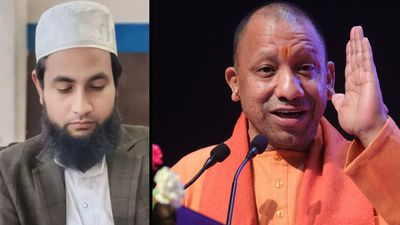 UP STF Nabs Maulana Abdullah Salim Over Controversial Comment On CM Yogi's Mother
 -
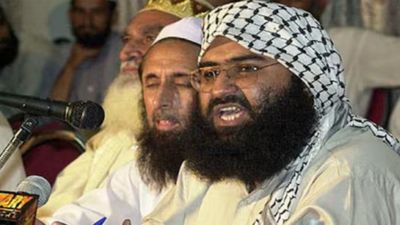 Masood Azhar’s Brother Mohammad Tahir Dies In Pakistan Under Mysterious Circumstances, Cause Yet To Be Known
 -
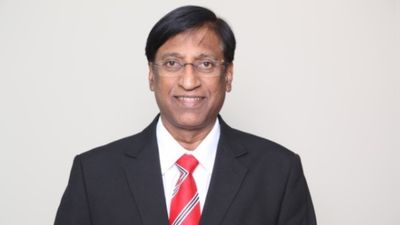 VerSe Innovation Appoints P.R. Ramesh as Independent Director and Chair of Audit Committee to Strengthen Governance Ahead of Next Phase of Growth
 -
 “Not Going To Be There Too Much Longer”: Trump Signals Endgame In Iran War
 -
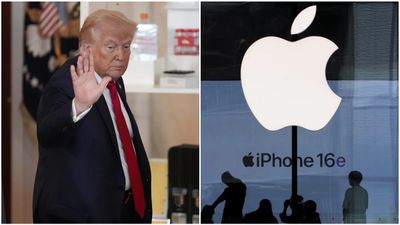 Iran Threatens To Hit US Companies in Region From April 1, Names Microsoft, Apple, Tesla, Boeing
 -
 ‘IPL Official’ Found Dead in Mumbai Hotel, Probe Underway
 -
 Leander Paes To Contest West Bengal Assembly Elections 2026? Tennis Star Joins BJP Ahead of Assembly Polls
 -
 April 1 Rule Changes: PAN, New Tax Law, ATM, FASTag, Cards to Impact Millions, What’s Changing?
 -
 China, Pakistan Call for Immediate Ceasefire in Iran War, Push Peace Talks ‘As Soon As Possible’
 -
 Are Banks Closed or Open Today on Mahavir Jayanti? RBI Issues Special March 31 Instructions
 -
 Iran’s New Hormuz Plan Targets Global Shipping with Tolls, What Does It Mean?



 Click it and Unblock the Notifications
 Sign in with Google