


Omar Abdullah To Take Oath as CM: A New Dawn for Jammu and Kashmir


On Wednesday, a historic moment will unfold in Jammu and Kashmir (J&K) as Omar Abdullah, the vice president of the National Conference (NC), takes oath as the first Chief Minister of the Union Territory (UT). The event marks a significant turning point in the political landscape of the region, which has undergone immense transformation since the abrogation of Article 370 and the bifurcation of the erstwhile state into two union territories-Jammu & Kashmir and Ladakh-back in August 2019.

Date, Time & Venue
The swearing-in ceremony will take place at the Sher-e-Kashmir International Convention Centre (SKICC) in Srinagar, with Lieutenant Governor Manoj Sinha administering the oath. This event is being seen as a symbolic restoration of political governance in Jammu and Kashmir, and a crucial step in the region's journey post its reorganisation.
The Political Journey of Omar Abdullah
Omar Abdullah is no stranger to leadership in Jammu and Kashmir. He previously served as the Chief Minister of the state from 2009 to 2014, leading a coalition government between his party, the National Conference and the Congress. His earlier tenure was marked by efforts to strengthen governance, address economic challenges, and tackle political volatility, although it was not without its share of controversies and struggles.
This time around, Abdullah's return as Chief Minister comes under entirely different circumstances. Since the revocation of Jammu and Kashmir's special status, the region has been functioning under President's Rule, with all governance decisions being taken by the Union government through the Lieutenant Governor. The restoration of an elected government under Omar Abdullah's leadership represents a shift back toward local governance and democratic administration in the Union Territory, a long-standing demand by various political leaders and citizens of the region.
The Path to Power
Omar Abdullah staked his claim to form the government on October 11, submitting letters of support from a broad coalition of political forces, including 42 National Conference MLAs, four independents, six Congress legislators and one CPI(M) representative. His successful coalition-building efforts reflect the broad consensus he has managed to forge, bridging political divides in the process.
This momentous occasion comes after President Droupadi Murmu issued a notification on October 14 revoking President's rule in Jammu and Kashmir. Lieutenant Governor Manoj Sinha subsequently extended the formal invitation to Omar Abdullah to form the government, setting the stage for the return of representative governance after a prolonged period of centralised control.
A Broad-based Government
Omar Abdullah's government is expected to include eight ministers, representing the union territory's diverse political landscape. This wide-reaching alliance, which includes independents and smaller parties, signals a commitment to inclusive governance and reflects Abdullah's determination to accommodate the varied interests of Jammu and Kashmir's complex electorate.
The Attendees
The presence of prominent national leaders such as Rahul Gandhi, Akhilesh Yadav, Supriya Sule, Kanimozhi Karunanidhi and CPI's D Raja at the swearing-in ceremony underscores the significance of this event on the national stage. The invitation extended to other opposition leaders like West Bengal Chief Minister Mamata Banerjee, MK Stalin, Uddhav Thackeray and Sharad Pawar also points to the NC's efforts to forge stronger alliances at the national level.
Historic Context
Jammu and Kashmir has been under President's rule since June 2018, when the Bharatiya Janata Party (BJP) withdrew support from the coalition government with the Peoples Democratic Party (PDP), leading to the resignation of then Chief Minister Mehbooba Mufti. This was followed by the landmark decision in August 2019, when the Centre abrogated Article 370, stripping Jammu and Kashmir of its special autonomy and bifurcating the state into two Union Territories-Jammu & Kashmir and Ladakh.
The return to elected governance is seen as a pivotal moment for the region, signaling not only the restoration of political normalcy but also the beginning of a new chapter in the integration of Jammu and Kashmir into India's federal structure.
-
 Thunderstorm Warning In Delhi NCR: IMD Issues Orange Alert Amid Sudden Weather Shift
 -
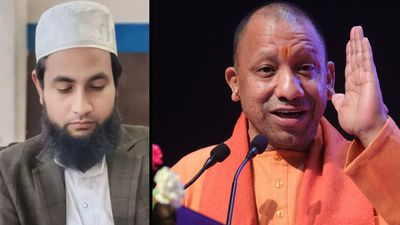 UP STF Nabs Maulana Abdullah Salim Over Controversial Comment On CM Yogi's Mother
 -
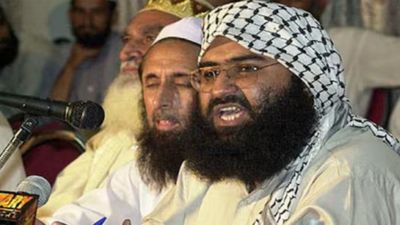 Masood Azhar’s Brother Mohammad Tahir Dies In Pakistan Under Mysterious Circumstances, Cause Yet To Be Known
 -
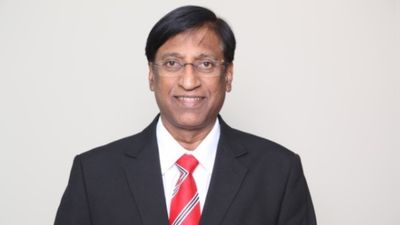 VerSe Innovation Appoints P.R. Ramesh as Independent Director and Chair of Audit Committee to Strengthen Governance Ahead of Next Phase of Growth
 -
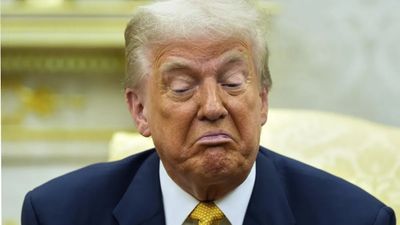 “Not Going To Be There Too Much Longer”: Trump Signals Endgame In Iran War
 -
 Iran Threatens To Hit US Companies in Region From April 1, Names Microsoft, Apple, Tesla, Boeing
 -
 ‘IPL Official’ Found Dead in Mumbai Hotel, Probe Underway
 -
 Leander Paes To Contest West Bengal Assembly Elections 2026? Tennis Star Joins BJP Ahead of Assembly Polls
 -
 April 1 Rule Changes: PAN, New Tax Law, ATM, FASTag, Cards to Impact Millions, What’s Changing?
 -
 China, Pakistan Call for Immediate Ceasefire in Iran War, Push Peace Talks ‘As Soon As Possible’
 -
 Are Banks Closed or Open Today on Mahavir Jayanti? RBI Issues Special March 31 Instructions
 -
 Iran’s New Hormuz Plan Targets Global Shipping with Tolls, What Does It Mean?



 Click it and Unblock the Notifications
 Sign in with Google