


Modi Govt To Table 'One Nation, One Election' Bill In Lok Sabha Today


The 'One Nation, One Election' Bill is set to be introduced in the Lok Sabha by Law Minister Arjun Meghwal on Tuesday. Initially, the bill was scheduled for discussion on December 16. Copies of the bill have already been distributed to Members of Parliament for review. The winter session of Parliament concludes on December 20, leaving limited time for its introduction if not presented on December 16.
The Union Cabinet approved the 'One Nation, One Election' Bill on December 12, with plans to present it during the ongoing Winter Session. The Bharatiya Janata Party (BJP) has praised this initiative as "historic," highlighting its potential to reduce costs and improve governance. Prime Minister Narendra Modi has often advocated for simultaneous elections, emphasizing their necessity.

Opposition Concerns Over Federal Structure
Opposition parties, including the Trinamool Congress, have voiced concerns about this proposal. They argue that it might disrupt India's federal structure, weaken regional parties, and centralize power. Despite these concerns, the BJP maintains that simultaneous elections will streamline governance and cut election expenses.
Currently, Cabinet approval is limited to synchronizing Lok Sabha and legislative assembly elections. Elections for municipalities and panchayats are excluded "for now," although a high-level committee led by former President Ram Nath Kovind recommended their phased inclusion.
Historical Context of Simultaneous Elections
The concept of 'One Nation, One Election' isn't new in India. From 1951 to 1967, Lok Sabha and state assembly elections were held together every five years following the adoption of the Constitution in 1950. This practice ended due to state reorganizations and legislative assembly dissolutions between 1968-1969.
Critics question the feasibility of conducting simultaneous polls across India's vast and diverse regions. They argue that logistical challenges could arise from such a large-scale electoral process.
The BJP defends this idea as a way to enhance governance efficiency while reducing election-related costs. However, debates continue over its practicality and potential impact on India's political landscape.
-
 Gold Silver Rate Today, 31 March 2026: City-Wise Prices, MCX Trend As Gold Rises And Silver Slips
 -
 Thunderstorm Warning In Delhi NCR: IMD Issues Orange Alert Amid Sudden Weather Shift
 -
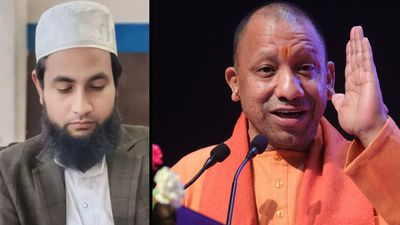 UP STF Nabs Maulana Abdullah Salim Over Controversial Comment On CM Yogi's Mother
 -
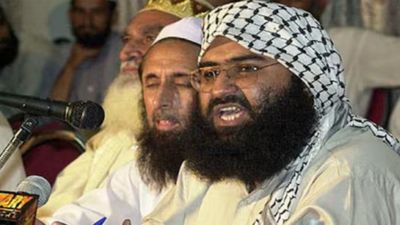 Masood Azhar’s Brother Mohammad Tahir Dies In Pakistan Under Mysterious Circumstances, Cause Yet To Be Known
 -
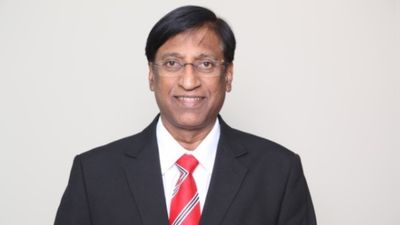 VerSe Innovation Appoints P.R. Ramesh as Independent Director and Chair of Audit Committee to Strengthen Governance Ahead of Next Phase of Growth
 -
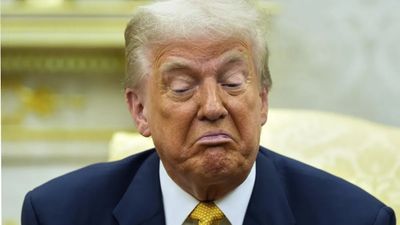 “Not Going To Be There Too Much Longer”: Trump Signals Endgame In Iran War
 -
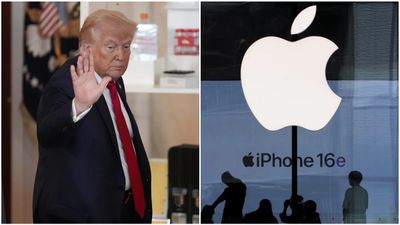 Iran Threatens To Hit US Companies in Region From April 1, Names Microsoft, Apple, Tesla, Boeing
 -
 ‘IPL Official’ Found Dead in Mumbai Hotel, Probe Underway
 -
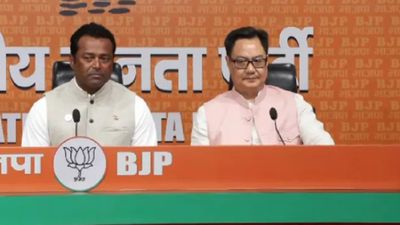 Leander Paes To Contest West Bengal Assembly Elections 2026? Tennis Star Joins BJP Ahead of Assembly Polls
 -
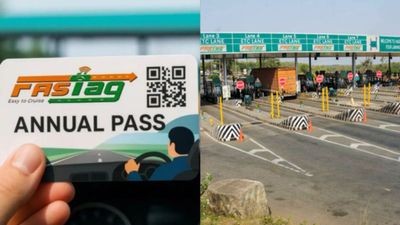 April 1 Rule Changes: PAN, New Tax Law, ATM, FASTag, Cards to Impact Millions, What’s Changing?
 -
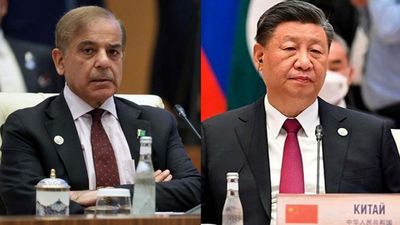 China, Pakistan Call for Immediate Ceasefire in Iran War, Push Peace Talks ‘As Soon As Possible’
 -
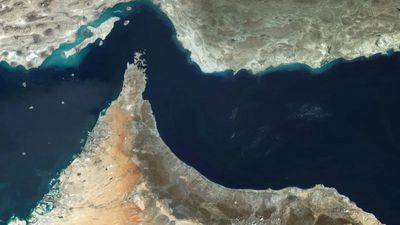 Iran’s New Hormuz Plan Targets Global Shipping with Tolls, What Does It Mean?



 Click it and Unblock the Notifications
 Sign in with Google