


Congress Responsible for Babri Masjid Demolition, Says Mani Shankar Aiyar
Mani Shankar Aiyar, a senior Congress leader, has attributed the unlocking of Babri Masjid gates to the partys actions rather than former Prime Minister Rajiv Gandhi. He expressed his belief that Gandhi, if he had been alive and in power, would have protected the mosque and effectively countered the BJP.


Senior Congress leader Mani Shankar Aiyar asserted that the Congress party, not former Prime Minister Rajiv Gandhi, was responsible for unlocking the gates of the Babri Masjid in 1986. Aiyar made these remarks during the launch of his book, "The Rajiv I Knew And Why He Was India's Most Misunderstood Prime Minister," published by Juggernaut.

Arun Nehru's Involvement
Aiyar alleged that it was Arun Nehru, a BJP plant within the Congress, who was behind the unlocking of the Babri Masjid gates. He explained that former Prime Minister Jawaharlal Nehru's connection to Lucknow and his interest in the Ramjanmabhoomi issue led him to use his influence within the party to elect Veer Bahadur Singh as the chief minister. Singh subsequently met with former Allahabad High Court judge Deoki Nandan Agarwal and obtained a petition stating that the locks on the Babri Masjid gates were not placed by judicial order but by executive order.
Rajiv Gandhi Unaware of Lock Opening
Aiyar claimed that Rajiv Gandhi was unaware of the unlocking of the Babri Masjid gates. He emphasized that with a majority of 400 seats in Parliament, Gandhi had no reason to appease Muslims or encourage Hindu sentiments. Aiyar asserted that Arun Nehru deliberately kept Gandhi in the dark about the lock opening, knowing that Gandhi would never have approved such an action. Nehru's subsequent joining of the BJP confirmed his role as a BJP plant within the Congress.
Gandhi's Approach to Ram Temple Issue
Regarding Rajiv Gandhi's stance on the Ram temple issue, Aiyar stated that Gandhi sought political expertise and brought M. L. Fotedar and R. K. Dhawan into the Prime Minister's Office. While Dhawan advised Gandhi to pander to Hindu sentiments, Gandhi resisted such suggestions.
Alternate Scenario with Gandhi as Prime Minister
Aiyar speculated about the state of the country had Gandhi lived on and become the prime minister instead of P. V. Narasimha Rao. He believed that Gandhi would have referred the Babri Masjid issue to the Supreme Court under Article 142, seeking clarification on whether a temple was demolished by Mir Baqi to build the mosque. Aiyar asserted that Gandhi would not have negotiated with the BJP as Rao did and would have taken proactive measures to prevent the destruction of the mosque.
Congress' Mistakes and Blame
Aiyar acknowledged that the Congress made mistakes, such as unlocking the Babri Masjid gates and negotiating with L. K. Advani, which the BJP exploited. However, he emphasized that Rajiv Gandhi was not involved in these actions, except for the shilanyas during the election. Aiyar stressed that Rajiv Gandhi did not open the locks, negotiate with the BJP, or remain silent during the demolition of the domes. He asserted that the Congress, not Rajiv Gandhi, should be held responsible for these actions.
Mani Shankar Aiyar's book launch and subsequent remarks shed light on the controversial events surrounding the Babri Masjid-Ram Janmabhoomi issue and the role of the Congress party. Aiyar's perspective provides an alternative narrative, emphasizing the involvement of certain individuals within the Congress and exonerating Rajiv Gandhi from direct responsibility for the unlocking of the Babri Masjid gates and the subsequent events.
-
 Gold Silver Rate Today, 31 March 2026: City-Wise Prices, MCX Trend As Gold Rises And Silver Slips
 -
 Thunderstorm Warning In Delhi NCR: IMD Issues Orange Alert Amid Sudden Weather Shift
 -
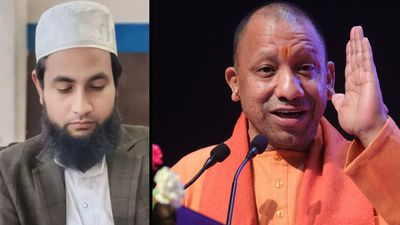 UP STF Nabs Maulana Abdullah Salim Over Controversial Comment On CM Yogi's Mother
 -
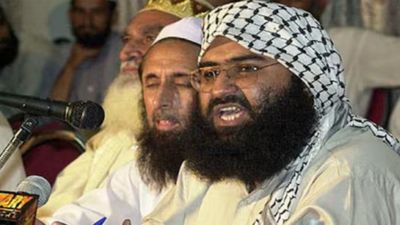 Masood Azhar’s Brother Mohammad Tahir Dies In Pakistan Under Mysterious Circumstances, Cause Yet To Be Known
 -
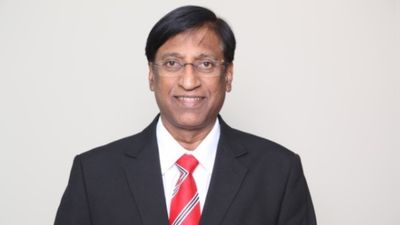 VerSe Innovation Appoints P.R. Ramesh as Independent Director and Chair of Audit Committee to Strengthen Governance Ahead of Next Phase of Growth
 -
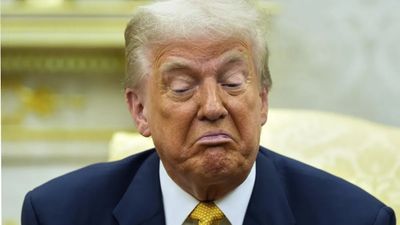 “Not Going To Be There Too Much Longer”: Trump Signals Endgame In Iran War
 -
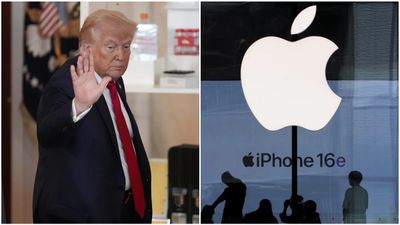 Iran Threatens To Hit US Companies in Region From April 1, Names Microsoft, Apple, Tesla, Boeing
 -
 ‘IPL Official’ Found Dead in Mumbai Hotel, Probe Underway
 -
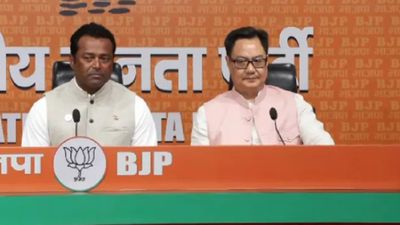 Leander Paes To Contest West Bengal Assembly Elections 2026? Tennis Star Joins BJP Ahead of Assembly Polls
 -
 April 1 Rule Changes: PAN, New Tax Law, ATM, FASTag, Cards to Impact Millions, What’s Changing?
 -
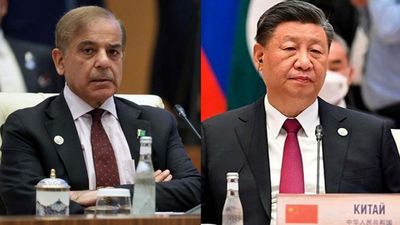 China, Pakistan Call for Immediate Ceasefire in Iran War, Push Peace Talks ‘As Soon As Possible’
 -
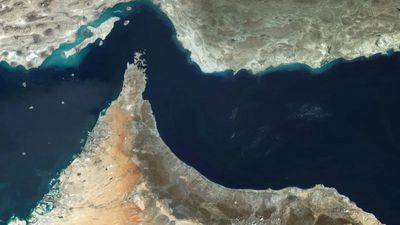 Iran’s New Hormuz Plan Targets Global Shipping with Tolls, What Does It Mean?



 Click it and Unblock the Notifications
 Sign in with Google