


Know the History of Diwali Celebration in India: From Ancient Roots to Modern Lights


Diwali, one of India's most cherished festivals, celebrates the victory of good over evil and light over darkness. Every year, millions of homes glow with lamps and decorations, filling the air with joy and unity. Behind this radiant festival lies a story that spans centuries of Indian civilization.

AI-generated summary, reviewed by editors
Ancient Beginnings and Mythological Roots
The celebration of Diwali dates back to the Vedic period when people performed rituals to honor prosperity and divine blessings. Ancient texts such as the Padma Purana and Skanda Purana mention Deepavali as a festival of spiritual triumph. It is also linked to Lord Rama's return to Ayodhya and Lord Krishna's victory over Narakasura.
Maurya and Gupta Eras: The Rise of Cultural Grandeur
During the Maurya period, Emperor Ashoka promoted festivals of light to symbolize peace after his conversion to Buddhism. Later, the Gupta Empire transformed Diwali into a grand public event. The festival became associated with Goddess Lakshmi and Lord Vishnu, representing prosperity, wisdom, and the flourishing of Indian society.
The Mughal Period: Blending Cultures and Celebrations
During the Mughal era, Diwali continued to thrive despite political transitions. Emperor Akbar encouraged inclusive celebrations across his kingdom, and lights illuminated royal palaces and cities. The festival grew beyond religious boundaries, becoming a symbol of prosperity, joy, and cultural harmony among diverse communities.
Colonial India: Diwali as a Symbol of Hope
Under British rule, Diwali evolved into a powerful expression of unity and hope. Indians celebrated it with renewed enthusiasm, using light as a symbol of resistance and faith in freedom. Community gatherings, sweets, and illuminated homes reflected not just devotion but also a shared spirit of national pride.
Modern India: A Festival of Unity and Renewal
After independence, Diwali became a national festival celebrated by people of all faiths and regions. Traditional customs such as lighting diyas, worshipping Lakshmi, and sharing sweets continue alongside modern innovations like eco-friendly lights and digital greetings. Today, Diwali reflects India's unity, heritage, and the timeless triumph of light.
-
 Thunderstorm Warning In Delhi NCR: IMD Issues Orange Alert Amid Sudden Weather Shift
 -
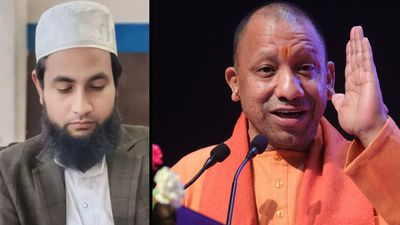 UP STF Nabs Maulana Abdullah Salim Over Controversial Comment On CM Yogi's Mother
 -
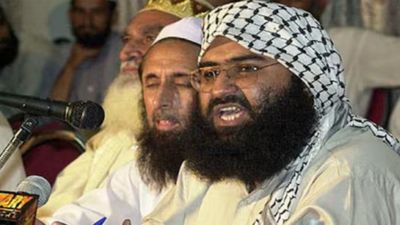 Masood Azhar’s Brother Mohammad Tahir Dies In Pakistan Under Mysterious Circumstances, Cause Yet To Be Known
 -
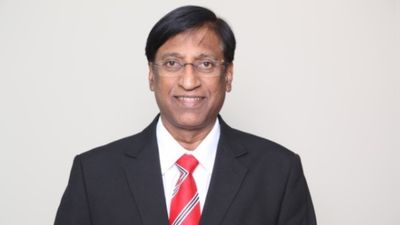 VerSe Innovation Appoints P.R. Ramesh as Independent Director and Chair of Audit Committee to Strengthen Governance Ahead of Next Phase of Growth
 -
 “Not Going To Be There Too Much Longer”: Trump Signals Endgame In Iran War
 -
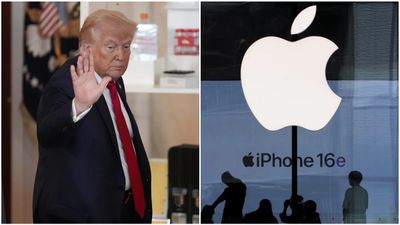 Iran Threatens To Hit US Companies in Region From April 1, Names Microsoft, Apple, Tesla, Boeing
 -
 ‘IPL Official’ Found Dead in Mumbai Hotel, Probe Underway
 -
 Leander Paes To Contest West Bengal Assembly Elections 2026? Tennis Star Joins BJP Ahead of Assembly Polls
 -
 April 1 Rule Changes: PAN, New Tax Law, ATM, FASTag, Cards to Impact Millions, What’s Changing?
 -
 China, Pakistan Call for Immediate Ceasefire in Iran War, Push Peace Talks ‘As Soon As Possible’
 -
 Are Banks Closed or Open Today on Mahavir Jayanti? RBI Issues Special March 31 Instructions
 -
 Iran’s New Hormuz Plan Targets Global Shipping with Tolls, What Does It Mean?



 Click it and Unblock the Notifications
 Sign in with Google