


ISRO's Naughty Boy GSLV-II Turns Over a New Leaf with Consecutive Successes
The Indian Space Research Organisations Geosynchronous Satellite Launch Vehicle-II (GSLV-II) has shed its naughty boy reputation after two consecutive successful launches, earning new nicknames like mature, obedient, and smarty.


The Indian Space Research Organisation's (ISRO) Geosynchronous Satellite Launch Vehicle-II (GSLV-II), once known for its inconsistent performance, has undergone a remarkable transformation, earning new accolades such as "mature," "obedient," "smarty," and "natty." This change is attributed to two consecutive successful launches, including the recent placement of the INSAT-3DS satellite in the Geosynchronous Transfer Orbit (GTO).

A History of Challenges
The GSLV-II had previously faced several setbacks, leading to its reputation as a "naughty boy." However, ISRO Chairman S Somanath emphasized that the recent successes mark a turning point in the vehicle's performance. Mission Director Tomy Joseph echoed this sentiment, describing the GSLV-II's maturation into a "very obedient and disciplined boy."
Robust and Reliable
Vikram Sarabhai Space Centre Director S Unnikrishnan Nair praised the GSLV-II's reliability, comparing it to other successful rockets. U R Rao Satellite Centre Director M Sankaran likened the vehicle to a "matured wine" that delivered a flawless performance by precisely placing the INSAT-3DS satellite in orbit.
Technological Advancements
The GSLV-II's success can be attributed to the use of the indigenously developed Cryogenic Upper Stage, which generates a nominal thrust of 75 kiloNewton. This technology enables ISRO to launch communication satellites weighing up to two tonnes.
Evolution of the GSLV
The GSLV-II's journey began with its first development flight on April 18, 2001, followed by another on May 8, 2003. However, the vehicle faced setbacks in 2006 and 2010 when it failed to place satellites in orbit.
In response to these challenges, ISRO developed the GSLV-Mark III launch vehicle, equipped with the indigenously built cryogenic engine C25. This advanced version, renamed as Launch Vehicle Mark III (LVM3), can place up to four tonnes of satellites in GTO and eight tonnes of payloads in low earth orbits.
ISRO's GSLV-II has come a long way from its initial struggles, transforming into a reliable and high-performing launch vehicle. The successful missions of INSAT-3DS and NVS-01 demonstrate the organization's commitment to innovation and technological excellence. As ISRO continues to push the boundaries of space exploration, the GSLV-II stands as a testament to India's growing prowess in the global space arena.
-
 Thunderstorm Warning In Delhi NCR: IMD Issues Orange Alert Amid Sudden Weather Shift
 -
 UP STF Nabs Maulana Abdullah Salim Over Controversial Comment On CM Yogi's Mother
 -
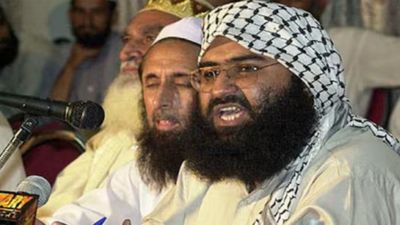 Masood Azhar’s Brother Mohammad Tahir Dies In Pakistan Under Mysterious Circumstances, Cause Yet To Be Known
 -
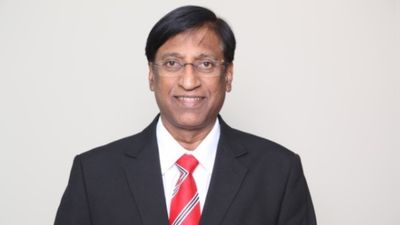 VerSe Innovation Appoints P.R. Ramesh as Independent Director and Chair of Audit Committee to Strengthen Governance Ahead of Next Phase of Growth
 -
 “Not Going To Be There Too Much Longer”: Trump Signals Endgame In Iran War
 -
 Iran Threatens To Hit US Companies in Region From April 1, Names Microsoft, Apple, Tesla, Boeing
 -
 ‘IPL Official’ Found Dead in Mumbai Hotel, Probe Underway
 -
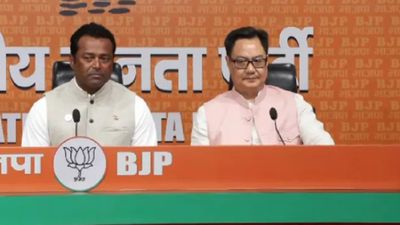 Leander Paes To Contest West Bengal Assembly Elections 2026? Tennis Star Joins BJP Ahead of Assembly Polls
 -
 April 1 Rule Changes: PAN, New Tax Law, ATM, FASTag, Cards to Impact Millions, What’s Changing?
 -
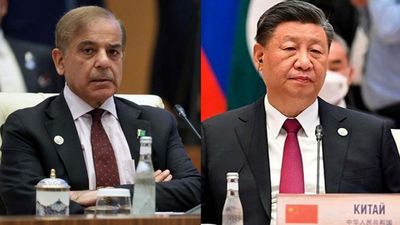 China, Pakistan Call for Immediate Ceasefire in Iran War, Push Peace Talks ‘As Soon As Possible’
 -
 Are Banks Closed or Open Today on Mahavir Jayanti? RBI Issues Special March 31 Instructions
 -
 Iran’s New Hormuz Plan Targets Global Shipping with Tolls, What Does It Mean?



 Click it and Unblock the Notifications
 Sign in with Google