


Jaishankar Highlights Importance of Equilibrium Between India and China Amid Ongoing Tensions


External Affairs Minister S Jaishankar emphasised the importance of India and China finding a balance in their relations. He noted that both nations are currently focused on short-term goals, particularly de-escalation. A recent agreement between the two countries on troop disengagement along the Line of Actual Control (LAC) in eastern Ladakh aims to ease tensions from a four-year standoff.

The agreement is considered a significant step towards reducing tensions since the June 2020 Galwan Valley clash, which was the most severe military conflict between India and China in decades. The relationship between these two Asian powers deteriorated significantly after this incident. Jaishankar highlighted the complexity of achieving equilibrium due to ongoing changes within both countries and their global relationships.
India-China Relations and Strategic Partnerships
Jaishankar discussed these issues during a conversation with foreign policy expert C Raja Mohan at an event for India's World magazine. He pointed out that while disengagement has been agreed upon, other issues remain unresolved. The focus remains on short-term solutions like de-escalation, despite the broader goal of reaching equilibrium.
In December, Jaishankar addressed the Lok Sabha about India-China relations and border concerns. He mentioned a meeting between the defence ministers of both nations in Vientiane on November 20, where they discussed disengagement progress and confidence-building measures. Both sides agreed on the necessity of ongoing consultations at various levels.
Historical Context and Transparency
During his Sunday interaction, Jaishankar noted increased discussions about China over the past four years compared to previous decades. He highlighted how terms like "patrolling point" have become more familiar since 2020. He also mentioned a disengagement agreement from the 1990s that remains highly classified within the Indian government.
Jaishankar recalled that India and China agreed to be strategic partners in 2005 without much public debate. He shared that military personnel were initially puzzled by this decision. Similarly, in 2006, there was an agreement to explore preferential trade without industry consultation.
National Security Strategy Considerations
When asked about the need for a national security strategy, Jaishankar affirmed its importance, suggesting that such a strategy already exists in some form. His comments reflect ongoing discussions about India's approach to national security amid evolving regional dynamics.
The recent developments between India and China mark progress towards easing tensions along their shared border. However, achieving long-term stability remains complex due to changing dynamics within both countries and their global interactions.
-
 Thunderstorm Warning In Delhi NCR: IMD Issues Orange Alert Amid Sudden Weather Shift
 -
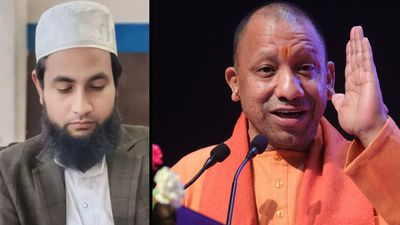 UP STF Nabs Maulana Abdullah Salim Over Controversial Comment On CM Yogi's Mother
 -
 Masood Azhar’s Brother Mohammad Tahir Dies In Pakistan Under Mysterious Circumstances, Cause Yet To Be Known
 -
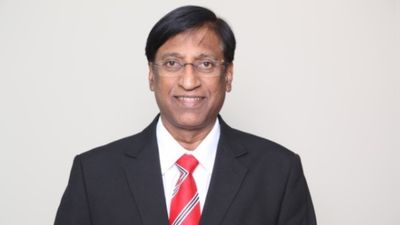 VerSe Innovation Appoints P.R. Ramesh as Independent Director and Chair of Audit Committee to Strengthen Governance Ahead of Next Phase of Growth
 -
 “Not Going To Be There Too Much Longer”: Trump Signals Endgame In Iran War
 -
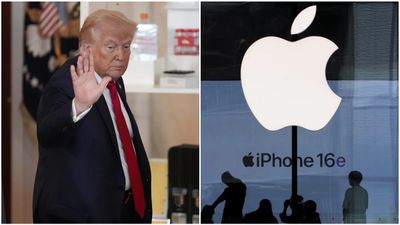 Iran Threatens To Hit US Companies in Region From April 1, Names Microsoft, Apple, Tesla, Boeing
 -
 ‘IPL Official’ Found Dead in Mumbai Hotel, Probe Underway
 -
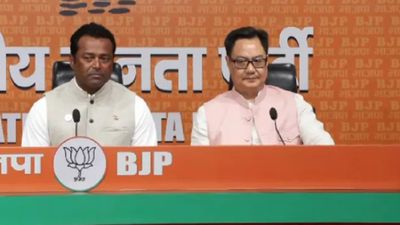 Leander Paes To Contest West Bengal Assembly Elections 2026? Tennis Star Joins BJP Ahead of Assembly Polls
 -
 April 1 Rule Changes: PAN, New Tax Law, ATM, FASTag, Cards to Impact Millions, What’s Changing?
 -
 China, Pakistan Call for Immediate Ceasefire in Iran War, Push Peace Talks ‘As Soon As Possible’
 -
 Are Banks Closed or Open Today on Mahavir Jayanti? RBI Issues Special March 31 Instructions
 -
 Iran’s New Hormuz Plan Targets Global Shipping with Tolls, What Does It Mean?



 Click it and Unblock the Notifications
 Sign in with Google