


India Slams Diplomatic Door: Pak Military Envoys Expelled After Pahalgam Massacre


In response to the recent terrorist attack in Pahalgam, Jammu and Kashmir, which resulted in the deaths of 27 civilians, India has undertaken significant diplomatic measures against Pakistan. These actions include declaring the Defence, Naval and Air Advisors in the Pakistani High Commission in New Delhi as persona non grata, granting them a week to depart the country. India will also withdraw its own Defence, Navy and Air Advisors from its High Commission in Islamabad, along with five support staff members from both missions.

Such diplomatic expulsions are serious actions, often reserved for instances where a nation seeks to express strong disapproval of another country's actions without resorting to military conflict. Historically, India has resorted to similar measures in response to severe provocations:
2001 Parliament Attack: Following the attack on the Indian Parliament in December 2001, India recalled its High Commissioner from Islamabad and expelled Pakistan's High Commissioner from New Delhi. This led to a significant military build up on both sides of the border.
2002 Kaluchak Massacre: After terrorists attacked an army camp in Kaluchak in Jammu and Kashmir, killing 31 people, India expelled Pakistan's High Commissioner and reduced diplomatic staff levels.
2008 Mumbai Attacks: In the aftermath of the Mumbai attacks, India suspended the composite dialogue process with Pakistan and intensified diplomatic pressure, leading to international condemnation of Pakistan-based terror groups.
The current measures taken by India are reminiscent of these past actions, signaling a severe deterioration in diplomatic relations between the two nations. By expelling military advisors and reducing diplomatic staff, India aims to convey its condemnation of Pakistan's alleged support for cross-border terrorism. These steps also serve to isolate Pakistan diplomatically and underscore India's demand for accountability.
The Bottom Line
Such actions are part of a broader strategy to pressure Pakistan into taking concrete steps against terrorist groups operating from its territory. While these measures stop short of military retaliation, they represent a significant escalation in diplomatic terms and reflect India's intent to hold Pakistan accountable on the international stage.
-
 Gold Rate Today 31 March 2026: Latest IBJA Benchmark And Tanishq, Kalyan, Malabar, Joyalukkas Rates
 -
 Hyderabad Gold Silver Rate Today, 31 March 2026: Gold And Silver See Fresh Movement, Check Latest City Rates
 -
 Gold Silver Rate Today, 31 March 2026: City-Wise Prices, MCX Trend As Gold Rises And Silver Slips
 -
 Thunderstorm Warning In Delhi NCR: IMD Issues Orange Alert Amid Sudden Weather Shift
 -
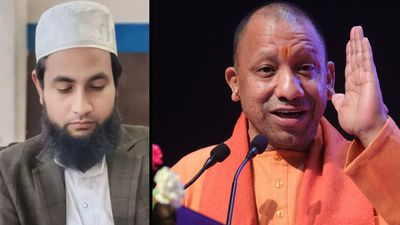 UP STF Nabs Maulana Abdullah Salim Over Controversial Comment On CM Yogi's Mother
 -
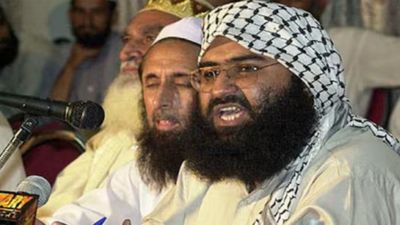 Masood Azhar’s Brother Mohammad Tahir Dies In Pakistan Under Mysterious Circumstances, Cause Yet To Be Known
 -
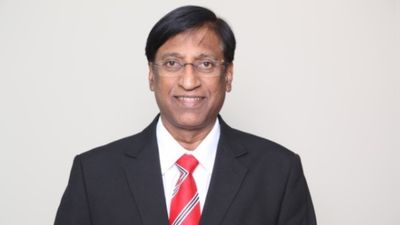 VerSe Innovation Appoints P.R. Ramesh as Independent Director and Chair of Audit Committee to Strengthen Governance Ahead of Next Phase of Growth
 -
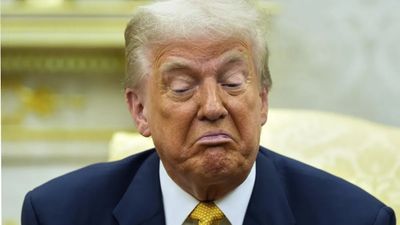 “Not Going To Be There Too Much Longer”: Trump Signals Endgame In Iran War
 -
 Iran Threatens To Hit US Companies in Region From April 1, Names Microsoft, Apple, Tesla, Boeing
 -
 ‘IPL Official’ Found Dead in Mumbai Hotel, Probe Underway
 -
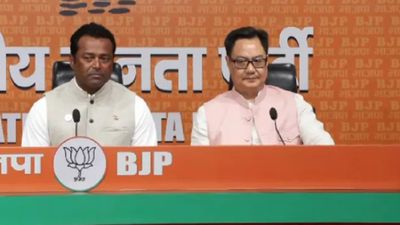 Leander Paes To Contest West Bengal Assembly Elections 2026? Tennis Star Joins BJP Ahead of Assembly Polls
 -
 April 1 Rule Changes: PAN, New Tax Law, ATM, FASTag, Cards to Impact Millions, What’s Changing?



 Click it and Unblock the Notifications
 Sign in with Google