


Manmohan Singh's Strategic Defence of the Landmark 1991 Union Budget Amidst Political Turmoil


Manmohan Singh, known for his pivotal role in India's economic reforms, faced significant challenges to gain acceptance for his transformative 1991 Union Budget. As the newly appointed finance minister under Prime Minister P.V. Narasimha Rao, Singh navigated scepticism from journalists and Congress leaders who struggled with the sweeping changes. His reforms not only pulled India back from financial collapse but also set it on a path to becoming a global power.

Singh made an unexpected appearance at a press conference on July 25, 1991, a day after presenting the Union Budget. This move aimed to ensure that the budget's message was not misrepresented by unenthusiastic officials. Jairam Ramesh, in his book "To the Brink and Back: India's 1991 Story," details these rapid changes following Rao's rise to power in June 1991.
Challenges and Support within Congress
Prime Minister Rao sensed unrest among Congress members and convened a meeting of the Congress Parliamentary Party (CPP) on August 1, 1991. He allowed MPs to express their concerns freely while staying away himself, leaving Singh to handle the criticism alone. Ramesh notes that two more meetings followed on August 2 and 3, with Rao present throughout.
During these CPP meetings, Singh stood isolated as the prime minister did little to ease his discomfort. Only two MPs, Mani Shankar Aiyar and Nathuram Mirdha, fully supported Singh's budget. Aiyar argued that the budget aligned with Rajiv Gandhi's vision for addressing the financial crisis.
Adjustments and Political Strategy
Under pressure from party members, Singh agreed to reduce the proposed fertiliser price increase from 40% to 30%, while keeping LPG and petrol price hikes unchanged. The Cabinet Committee on Political Affairs met on August 4 and 5, 1991, to finalise Singh's statement for the Lok Sabha on August 6.
The statement abandoned calls for a rollback but emphasised protecting small and marginal farmers' interests. This compromise allowed both sides to claim victory: the party influenced policy adjustments, yet key government objectives like decontrolling non-urea fertiliser prices remained intact.
Ramesh describes this as an exemplary case of political economy where government and party collaboration led to mutually beneficial outcomes. The episode demonstrated how strategic negotiation can balance political pressures with economic imperatives.
-
 Gold Rate Today 30 March 2026: IBJA Benchmark Rates, Tanishq, Kalyan, Malabar, Joyalukkas Prices
 -
 Gold Silver Rate Today, 30 March 2026: City-Wise Prices, MCX Update On 24K Gold, 22K Gold And Silver
 -
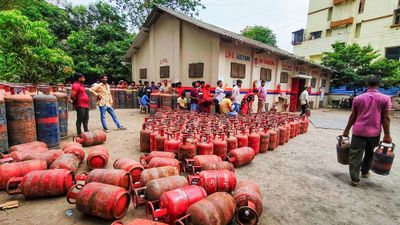 LPG Crunch: Karnataka Brings New SOPs, Makes PNG Registration Mandatory for Businesses
 -
 Hyderabad Gold Silver Rate Today, 30 March 2026: Check Fresh 24K, 22K, 18K Gold And Silver Prices In City
 -
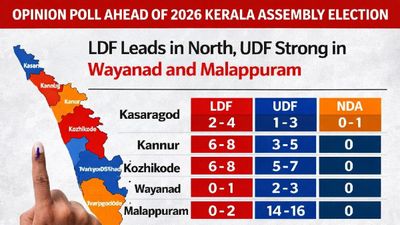 Opinion Poll For Kerala Assembly Election 2026: Ldf Strength In Kannur And Kasaragod
 -
 Tamil Nadu Polls 2026: Vijay Reveals Rs 645 Crore Assets, Rs 266 Crore in Banks; Know All His Declaration
 -
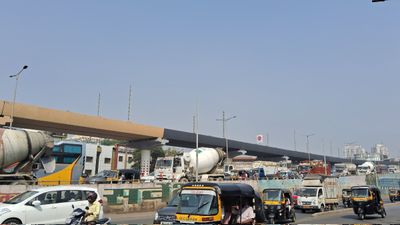 Mumbai Metro Line 9 Set for April 3 Launch, Dahisar-Mira Bhayandar to Get Direct Boost
 -
 Hyderabad Gold Silver Rate Today, 31 March 2026: Gold And Silver See Fresh Movement, Check Latest City Rates
 -
 Gold Silver Rate Today, 31 March 2026: City-Wise Prices, MCX Trend As Gold Rises And Silver Slips
 -
 Rahul Arunoday Banerjee Autopsy Report: Actor Was Underwater For Over An Hour, Sand Found In Lungs
 -
 Thunderstorm Warning In Delhi NCR: IMD Issues Orange Alert Amid Sudden Weather Shift
 -
 Trump Hints At Breakthrough With Iran Amid War Escalation, Calls Recent Move A ‘Sign Of Respect’



 Click it and Unblock the Notifications
 Sign in with Google