


How India became completely self-reliant on its missile technology
Following the 1974 nuclear tests, several countries imposed sanctions on India. The export of certain technologies which could be used to make nuclear weapons had also been stopped


India has become self-reliant in missile technology with a wide range of missiles in its arsenal, scientific advisor to the Defence Minister and former DRDO chief, Dr. Satheesh Reddy said.
He said that the country has developed a range of missiles that any country would like to have.

Reddy told news agency ANI, "Indian missile programme has gone a long way and a number of missile systems have been developed. Varieties of missiles have been developed. Surface-to-surface missiles, surface-to-air missiles and air-to-air missiles, anti-tank missiles and many other types of missiles have been developed in the country."
The country has gained a lot of knowledge and has become self-sufficient and self-reliant in missile technology. The range of missiles that any nation would like to have based on their necessities have also been developed, Reddy also said.
Dr. Reddy also spoke about the hurdles faced by the R&D organisation after restrictions were imposed on India in the 1980s to restrict the missile programme.
When the country started the missile programme and when we tested, Prithvi and Agni, there were restrictions put on India, he said.
The components and critical systems sub-systems which we have been dependant on had become restricted. However, I think that helped us and we took it up as a mission to develop all these critical systems and components needed for missile technology. They have all been developed over a period of time indegenously, Dr. Reddy said.
He further stated that India is not dependant on any country for critical components.
"Today, I can say that the indigenous content in our missile programme is very high. We are not dependant for any critical sub-systems on anyone. All these things are developed in the country and the industry is able to produce them and this is how missiles are getting developed very fast in the country," he added.
Dr. Reddy spoke of the setbacks the DRDO faced due to the restrictions. He said that they had begun parallel development of the sub-systems for missiles inspite of facing problems of not getting the required components.
"We were also in the phase of development of missiles. So you are looking for a large number of sub-systems or components from outside. The day we started the missile programme, the leadership at that time thought that we should undertake the development in a parallel manner," he said.
Sanctions on India:
Following the 1974 nuclear test, many countries including the United States, Canada and several countries suspended most of their aid to India. The United States imposed trade restrictions on India.
The US Congress had passed the 'Nuclear Proliferation Prevention Act in 1978, which further restricted trade with India and prohibited the export of certain technologies that could be used for nuclear weapons development.
It must be noted that the sanctions on India did not have a significant impact on India's economy or development. India had been pursuing the policy of self-reliance and was not heavily dependant on foreign aid or trade.
-
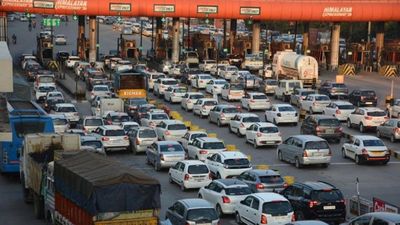 Toll Rates Revision By NHAI Tied To WPI Impacts Delhi Gurgaon Expressway Dwarka Expressway And Sohna Highway
 -
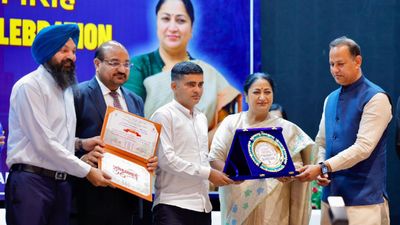 Delhi CM Rekha Gupta Attends 122nd Foundation Day of Indian Agricultural Research Institute
 -
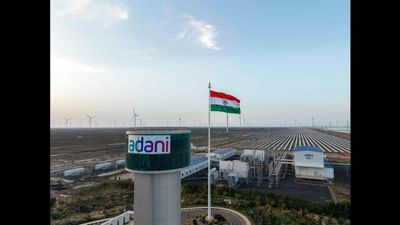 Adani Green Energy Delivers on 5 GW Commitment in FY26, Marking a Global High for Greenfield Expansion.
 -
 RCB Vs CSK IPL 2026 Tickets At Chinnaswamy: Official Sale, Metro Perks, And Entry Guidelines
 -
 ATM Withdrawal Rule Changes Kick In Today: HDFC, PNB, Bandhan Revise Limits, Charges, UPI Impact
 -
 Stock Market Crash: Sensex, Nifty Fall as ₹51.7 Lakh Crore Wiped Out Amid Global Tensions
 -
 April 1 Rule Changes: PAN, New Tax Law, ATM, FASTag, Cards to Impact Millions, What’s Changing?
 -
 Gold Rate Today 1 April 2026: Latest IBJA Gold Rates, Tanishq, Kalyan, Malabar, Joyalukkas Prices
 -
 Gold Silver Rate Today, 1 April 2026: City-Wise Prices Rise Sharply, MCX Gold And Silver Surge
 -
 Gold Silver Rate Today, 31 March 2026: City-Wise Prices, MCX Trend As Gold Rises And Silver Slips
 -
 Mahavir Jayanti 2026: 10+ Wishes, Teachings, And The Meaning Of This Sacred Day
 -
 Gold Rate Today 31 March 2026: Latest IBJA Benchmark And Tanishq, Kalyan, Malabar, Joyalukkas Rates



 Click it and Unblock the Notifications
 Sign in with Google