


How Did BJP's 35=1 Strategy Capitalise On Non-Jat Politics In Haryana Election Results 2024?


The Bharatiya Janata Party's (BJP) innovative 35=1 strategy has emerged as a crucial factor in the Haryana elections, potentially setting the stage for a landmark victory. This strategic approach involves consolidating support from 35 distinct caste groups across the state, allowing the BJP to forge a broad coalition that reaches beyond the traditional dominance of the Jat community.

While the Congress party focused its campaign efforts on rallying support from Jats and Dalits, the BJP took a different route, strategically engaging with a diverse range of communities. This shift aimed to diminish the influence of Jat voters, a demographic that has predominantly favored Congress and the Indian National Lok Dal (INLD) in past elections. As the results start to come in, it seems that this tactical pivot may be yielding positive results for the incumbent party.
Historically, Jat votes have heavily favored Congress and INLD. In the 2014 assembly elections, the BJP managed to secure only a small portion of Jat support, while the majority went to the Congress and INLD. By 2019, this trend had worsened for the BJP, with Jat votes further split between Congress and the JJP. This decline led the BJP to pivot its focus toward securing non-Jat votes, indicating a strategic departure from reliance on Jat support. The party's efforts to polarize anti-Jat sentiments involved reaching out to Punjabi Hindus, OBCs, and Brahmins.
Notably, the absence of Jat representation in the central cabinet, along with the appointment of a Brahmin as the state BJP president and an OBC as the Chief Minister, signals a clear shift in the party's priorities. This strategic realignment acknowledges the complexities of Haryana's electorate and the changing dynamics of caste politics.
The Jats, who constitute approximately a quarter of Haryana's population, have historically exerted significant influence over the political landscape. However, this dominance has often bred resentment among other communities, and the BJP has skillfully capitalized on this discontent. By polarizing the electorate between Jats and non-Jats, the BJP has managed to expand its upper-caste base to include large sections of the state's Backward Classes since 2014.
The BJP's recent leadership change, with the replacement of Punjabi Khatri Khattar with Saini from the BC-B community as chief minister, further reflects its commitment to appealing to the state's diverse caste demographics. In this election, the BJP nominated 22 BC candidates, including six from the BC-A segment. The party has invested considerable effort over the past decade to engage with individual BC-A castes, organizing conferences for major communities such as Kashyaps, Prajapatis, Bairagis, Kambojs, Jangras, and Jogis.
If current trends translate into solid electoral outcomes, this election could mark a significant turning point for the BJP, signaling a transformative change in Haryana's political landscape. A victory here would not only reaffirm the party's dominance but also redefine the narrative surrounding non-Jat politics in the state.
-
 Thunderstorm Warning In Delhi NCR: IMD Issues Orange Alert Amid Sudden Weather Shift
 -
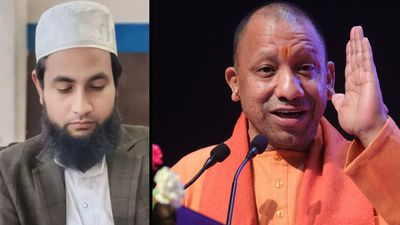 UP STF Nabs Maulana Abdullah Salim Over Controversial Comment On CM Yogi's Mother
 -
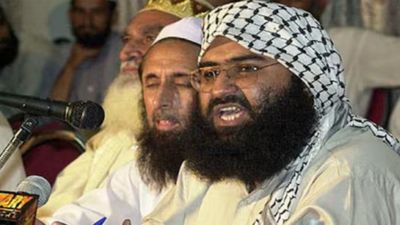 Masood Azhar’s Brother Mohammad Tahir Dies In Pakistan Under Mysterious Circumstances, Cause Yet To Be Known
 -
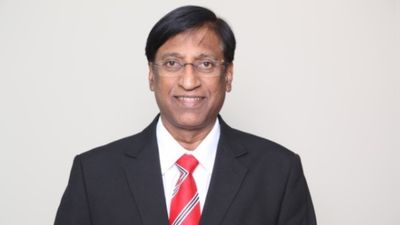 VerSe Innovation Appoints P.R. Ramesh as Independent Director and Chair of Audit Committee to Strengthen Governance Ahead of Next Phase of Growth
 -
 “Not Going To Be There Too Much Longer”: Trump Signals Endgame In Iran War
 -
 Iran Threatens To Hit US Companies in Region From April 1, Names Microsoft, Apple, Tesla, Boeing
 -
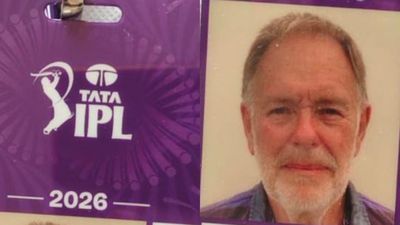 ‘IPL Official’ Found Dead in Mumbai Hotel, Probe Underway
 -
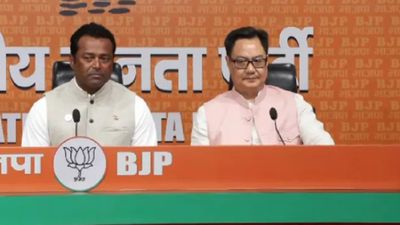 Leander Paes To Contest West Bengal Assembly Elections 2026? Tennis Star Joins BJP Ahead of Assembly Polls
 -
 April 1 Rule Changes: PAN, New Tax Law, ATM, FASTag, Cards to Impact Millions, What’s Changing?
 -
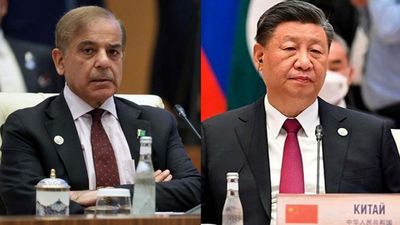 China, Pakistan Call for Immediate Ceasefire in Iran War, Push Peace Talks ‘As Soon As Possible’
 -
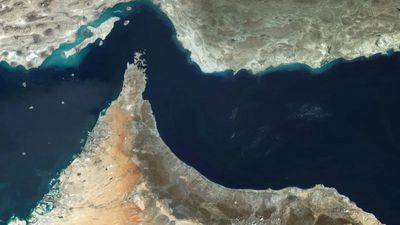 Iran’s New Hormuz Plan Targets Global Shipping with Tolls, What Does It Mean?
 -
 Are Banks Closed or Open Today on Mahavir Jayanti? RBI Issues Special March 31 Instructions



 Click it and Unblock the Notifications
 Sign in with Google