


Allahabad High Court Rules on Appeal Against Swami Rambhadracharya's Comments on Dalits


The Allahabad High Court has rejected an appeal concerning remarks allegedly made against Dalits by a religious leader during an event. The appeal was filed after a special judge for SC/ST cases dismissed an application against Swami Rambhadracharya's comments. Justice Saurabh Srivastava noted that the appeal did not establish any specific offence under the SC/ST Act, 1989, Section 67 of the IT Act, or other IPC sections.

The petitioner, Prakash Chandra, had sought court intervention to register an FIR regarding statements made by Rambhadracharya. He argued that these remarks targeted the Scheduled Caste community and violated the SC/ST Act and certain IPC provisions. However, the special judge in Prayagraj dismissed this application on February 15, 2024, citing maintainability issues.
Legal Arguments and Court Decision
Senior advocate M.C. Chaturvedi, representing Rambhadracharya, argued that the special judge's reasoning was sound and justified. He contended that Rambhadracharya's statements did not constitute an offence under the SC/ST Act or Section 67 of the IT Act as claimed in the appeal. The additional government advocate also opposed the appeal, supporting the special court's decision as legally sound.
The high court conducted a detailed hearing before reaching its decision on October 4. After reviewing all arguments and evidence presented, it concluded that there was no legal basis to overturn the special judge's order and dismissed the appeal.
Implications of the High Court's Ruling
This ruling underscores the importance of establishing clear legal grounds when filing appeals related to sensitive issues like caste-based remarks. The court's decision highlights that without specific offences being identified under relevant laws, such appeals are unlikely to succeed.
By dismissing this appeal, the high court reaffirms its stance on maintaining strict adherence to legal standards in cases involving allegations of caste discrimination. This decision may serve as a precedent for similar cases in the future.
The conclusion of this case reflects the judiciary's commitment to ensuring that legal processes are followed meticulously while addressing grievances related to caste-based comments. It also emphasizes the necessity for petitioners to present concrete evidence when seeking judicial intervention in such matters.
-
 Thunderstorm Warning In Delhi NCR: IMD Issues Orange Alert Amid Sudden Weather Shift
 -
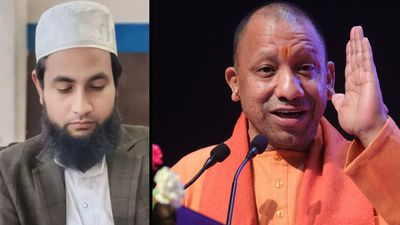 UP STF Nabs Maulana Abdullah Salim Over Controversial Comment On CM Yogi's Mother
 -
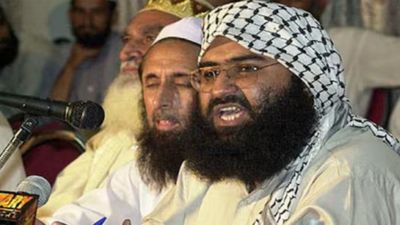 Masood Azhar’s Brother Mohammad Tahir Dies In Pakistan Under Mysterious Circumstances, Cause Yet To Be Known
 -
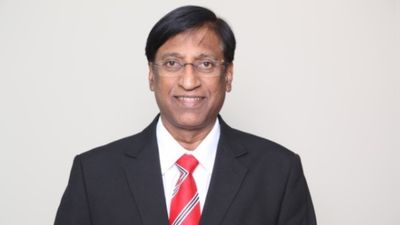 VerSe Innovation Appoints P.R. Ramesh as Independent Director and Chair of Audit Committee to Strengthen Governance Ahead of Next Phase of Growth
 -
 “Not Going To Be There Too Much Longer”: Trump Signals Endgame In Iran War
 -
 Iran Threatens To Hit US Companies in Region From April 1, Names Microsoft, Apple, Tesla, Boeing
 -
 ‘IPL Official’ Found Dead in Mumbai Hotel, Probe Underway
 -
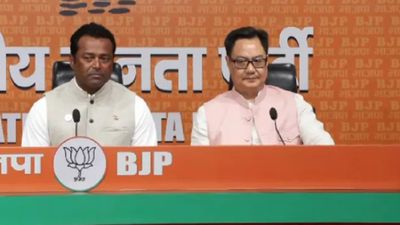 Leander Paes To Contest West Bengal Assembly Elections 2026? Tennis Star Joins BJP Ahead of Assembly Polls
 -
 April 1 Rule Changes: PAN, New Tax Law, ATM, FASTag, Cards to Impact Millions, What’s Changing?
 -
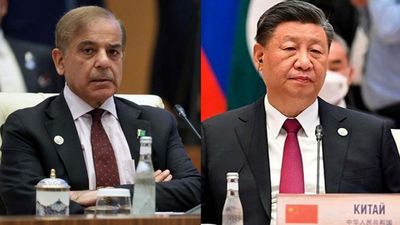 China, Pakistan Call for Immediate Ceasefire in Iran War, Push Peace Talks ‘As Soon As Possible’
 -
 Iran’s New Hormuz Plan Targets Global Shipping with Tolls, What Does It Mean?
 -
 Are Banks Closed or Open Today on Mahavir Jayanti? RBI Issues Special March 31 Instructions



 Click it and Unblock the Notifications
 Sign in with Google