


Climate Change Impacts Human Rights, Says NHRC Chairperson Justice Arun Mishra
Climate change is one of the leading causes of migration, says NHRC chairperson Justice Arun Mishra.


New Delhi: Climate change has significant repercussions on human rights, disproportionately affecting the poorest of the poor, according to Justice Arun Mishra, chairperson of the National Human Rights Commission (NHRC). Justice Mishra made these remarks while addressing a session on "Empowering those most affected by Climate Change" at the NHRI COP28 Symposium organized by the Global Alliance of National Human Rights Institutions (GANHRI) in Dubai.
Need for Safeguard Information System
Justice Mishra emphasized the need for a safeguard information system to reduce emissions from deforestation and forest degradation. He highlighted that climate change leads to melting polar ice, rising sea levels, increased drought, high-density rainfalls, cyclones, floods, landslides, and forest fires, severely impacting the most vulnerable populations.
Role of National Human Rights Institutions
The NHRC chairperson urged National Human Rights Institutions, along with other stakeholders, to actively work towards protecting the environment and addressing the needs of individuals affected by climate change-induced displacements. He stressed that climate change results in the violation of basic human rights, including the rights to shelter, livelihood, education, and health.
Climate Change as a Leading Cause of Migration
Justice Mishra drew attention to the fact that climate change, comparable to war, has become a leading cause of migration. He emphasized the criticality of transitioning to climate-resilient infrastructure and implementing mitigation measures to ensure the survival of humanity.
Environmental Concerns
The NHRC chief expressed concern over air and water pollution, stating that they contribute to a reduction in human life span. He highlighted the alarming issues of vanishing water bodies due to large-scale construction, depleting water levels, and contaminated groundwater. Justice Mishra also drew attention to the serious environmental threats posed by industrial hazards, such as gas leakage, and the pervasive problem of plastic pollution that endangers biodiversity on land and in the oceans.
Justice Arun Mishra concluded by emphasizing the urgent need for plastic recycling to combat the grave environmental challenges posed by plastic pollution. He called for collective action to safeguard human rights and protect the environment in the face of climate change.
-
 Gold Silver Rate Today, 30 March 2026: City-Wise Prices, MCX Update On 24K Gold, 22K Gold And Silver
 -
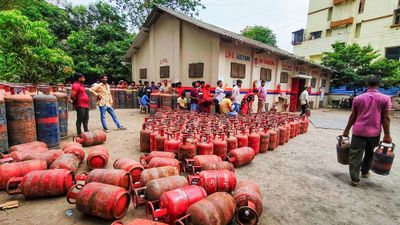 LPG Crunch: Karnataka Brings New SOPs, Makes PNG Registration Mandatory for Businesses
 -
 Hyderabad Gold Silver Rate Today, 30 March 2026: Check Fresh 24K, 22K, 18K Gold And Silver Prices In City
 -
 Opinion Poll For Kerala Assembly Election 2026: Ldf Strength In Kannur And Kasaragod
 -
 Tamil Nadu Polls 2026: Vijay Reveals Rs 645 Crore Assets, Rs 266 Crore in Banks; Know All His Declaration
 -
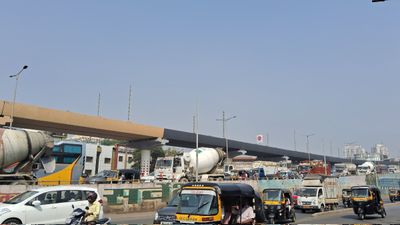 Mumbai Metro Line 9 Set for April 3 Launch, Dahisar-Mira Bhayandar to Get Direct Boost
 -
 Hyderabad Gold Silver Rate Today, 31 March 2026: Gold And Silver See Fresh Movement, Check Latest City Rates
 -
 Gold Silver Rate Today, 31 March 2026: City-Wise Prices, MCX Trend As Gold Rises And Silver Slips
 -
 Rahul Arunoday Banerjee Autopsy Report: Actor Was Underwater For Over An Hour, Sand Found In Lungs
 -
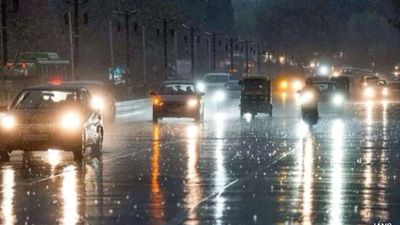 Thunderstorm Warning In Delhi NCR: IMD Issues Orange Alert Amid Sudden Weather Shift
 -
 Trump Hints At Breakthrough With Iran Amid War Escalation, Calls Recent Move A ‘Sign Of Respect’
 -
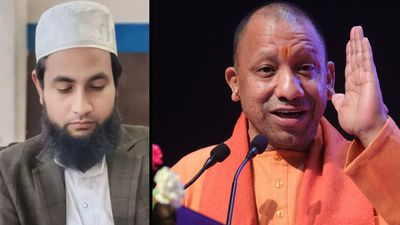 UP STF Nabs Maulana Abdullah Salim Over Controversial Comment On CM Yogi's Mother



 Click it and Unblock the Notifications
 Sign in with Google