


BJP’s Jharkhand Loss Explained: 5 Factors Behind the Defeat Despite Vote Share Gains


Despite the BJP's notable vote share of 33.2% in the Jharkhand elections, it trailed behind the JMM and Congress, who combined secured 39.02% across 75 seats. This led to the BJP winning only 21 seats compared to JMM's 34. The party's emphasis on themes like "infiltration" and "love and land jihad," particularly highlighted by Assam Chief Minister Himanta Biswa Sarma, failed to capture the voters' interest in the Santhal Parganas region, resulting in no victories there. This strategic focus may have diverted attention from addressing more pressing issues such as unemployment and corruption.
The electoral scene was notably influenced by the Jharkhand Loktantrik Krantikari Morcha (JLKM), led by emerging Kudmi leader Jairam Mahato. This new party played a disruptive role for the BJP and its allies by siphoning votes in various constituencies, thereby aiding the JMM. Despite its recent establishment, the JLKM managed to impact the distribution of votes in at least 11 constituencies, demonstrating its influence in the political landscape.

Women played a pivotal role in shaping the election outcomes, with a higher turnout than men and showing overwhelming support for the Hemant Soren government's Maiyya Samman Yojana. This scheme, which offers Rs 1,000 monthly to women aged 21-49, coupled with the campaign efforts of Hemant's wife Kalpana Murmu Soren, significantly swayed female voters. The popularity of this initiative underscores the importance of targeted welfare programs in garnering voter support.
The BJP's inability to secure the trust of tribal voters was evident in its performance in ST-reserved seats, where it won only one. This was seen as a continuation of the party's struggle to connect with tribal communities, hindered by perceived efforts to integrate Adivasis into a wider Hindu fold, controversial attempts to change tenancy laws by the previous BJP government, and the appointment of a non-tribal chief minister in a predominantly tribal state. Furthermore, the incarceration of Hemant Soren and efforts to attract key tribal leaders away from the JMM did not translate into electoral gains for the BJP.
On top of strategic and thematic misjudgments, the BJP faced internal issues such as poor election management, inappropriate candidate selection favoring unpopular incumbents, and inadequate handling of internal dissent. These organizational shortcomings, combined with the larger strategic errors in campaign focus and voter engagement, were critical factors behind the BJP's disappointing performance in the Jharkhand elections. These results indicate a need for the party to reassess its strategies and approaches to address the concerns and aspirations of a diverse electorate.
-
 Thunderstorm Warning In Delhi NCR: IMD Issues Orange Alert Amid Sudden Weather Shift
 -
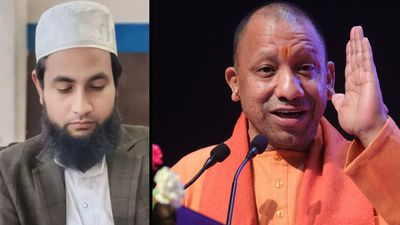 UP STF Nabs Maulana Abdullah Salim Over Controversial Comment On CM Yogi's Mother
 -
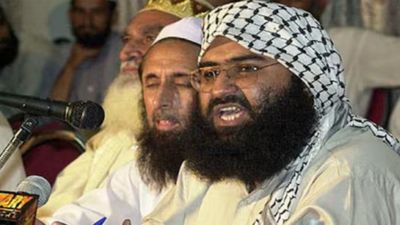 Masood Azhar’s Brother Mohammad Tahir Dies In Pakistan Under Mysterious Circumstances, Cause Yet To Be Known
 -
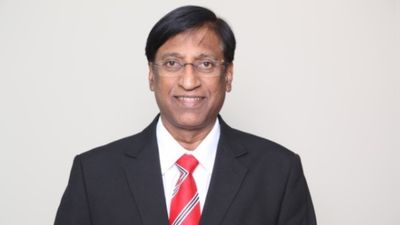 VerSe Innovation Appoints P.R. Ramesh as Independent Director and Chair of Audit Committee to Strengthen Governance Ahead of Next Phase of Growth
 -
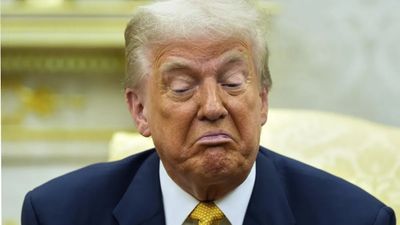 “Not Going To Be There Too Much Longer”: Trump Signals Endgame In Iran War
 -
 Iran Threatens To Hit US Companies in Region From April 1, Names Microsoft, Apple, Tesla, Boeing
 -
 ‘IPL Official’ Found Dead in Mumbai Hotel, Probe Underway
 -
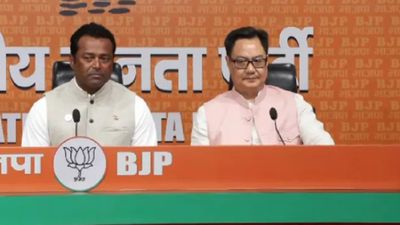 Leander Paes To Contest West Bengal Assembly Elections 2026? Tennis Star Joins BJP Ahead of Assembly Polls
 -
 April 1 Rule Changes: PAN, New Tax Law, ATM, FASTag, Cards to Impact Millions, What’s Changing?
 -
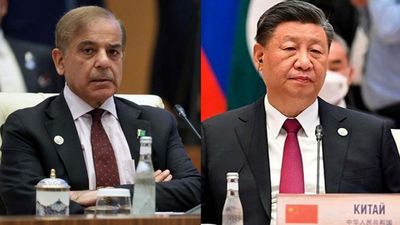 China, Pakistan Call for Immediate Ceasefire in Iran War, Push Peace Talks ‘As Soon As Possible’
 -
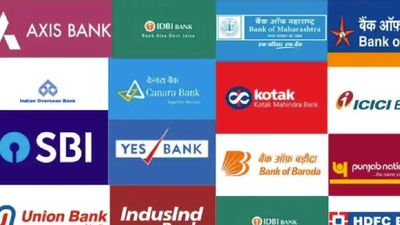 Are Banks Closed or Open Today on Mahavir Jayanti? RBI Issues Special March 31 Instructions
 -
 Iran’s New Hormuz Plan Targets Global Shipping with Tolls, What Does It Mean?



 Click it and Unblock the Notifications
 Sign in with Google