


3 Key Lessons from the Maharashtra and Jharkhand Election Results


In the recent assembly elections in Maharashtra and Jharkhand, incumbent parties have returned to power with larger majorities. This outcome contrasts with the Lok Sabha elections held less than six months earlier. Welfare schemes and identity politics significantly influenced these electoral results, highlighting their importance in shaping voter decisions.

Welfare Schemes' Impact
Both the Jharkhand Mukti Morcha (JMM)-led government in Jharkhand and the Mahayuti government in Maharashtra introduced cash transfer schemes targeting women before the elections. Such initiatives have been effective in states like West Bengal and Madhya Pradesh as well. These welfare measures underscore the importance of tangible economic benefits for the underprivileged, reflecting a democratic response to economic inequalities.
The BJP's strategic implementation of the PM-KISAN scheme after its 2018 assembly election defeat further illustrates welfare schemes' impact on electoral outcomes. This initiative aimed to alleviate rural distress and helped reverse the party's fortunes in the 2019 general elections. However, their failure to introduce similar measures in the 2024 interim budget led to voter disapproval, showcasing a preference for economic support over strict fiscal policies.
Identity Politics' Role
Identity politics also played a crucial role in these elections. In Jharkhand, Hemant Soren emerged as a prominent Scheduled Tribe (ST) leader by bridging divides between ST and non-ST voters. His success challenged BJP's attempts to shift focus towards religious lines. Meanwhile, Uddhav Thackeray's Shiv Sena faction lost ground due to ideological shifts and inconsistent identity, contrasting with BJP's clear stance.
These electoral outcomes highlight the necessity of economic pragmatism and ideological consistency in Indian politics. Voters demand policies that address immediate needs while supporting ideologies resonating with their identity and social realities. The interplay between economic expectations and identity affiliations underscores India's multifaceted electoral politics.
-
 Gold Silver Rate Today, 30 March 2026: City-Wise Prices, MCX Update On 24K Gold, 22K Gold And Silver
 -
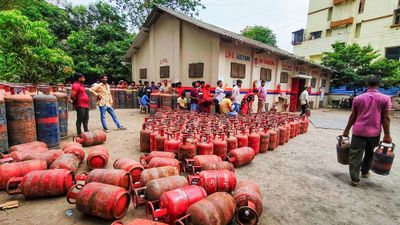 LPG Crunch: Karnataka Brings New SOPs, Makes PNG Registration Mandatory for Businesses
 -
 Hyderabad Gold Silver Rate Today, 30 March 2026: Check Fresh 24K, 22K, 18K Gold And Silver Prices In City
 -
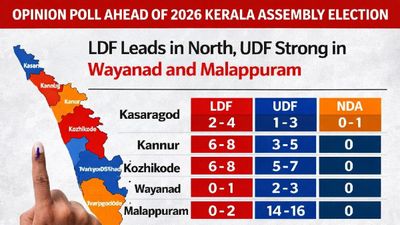 Opinion Poll For Kerala Assembly Election 2026: Ldf Strength In Kannur And Kasaragod
 -
 Tamil Nadu Polls 2026: Vijay Reveals Rs 645 Crore Assets, Rs 266 Crore in Banks; Know All His Declaration
 -
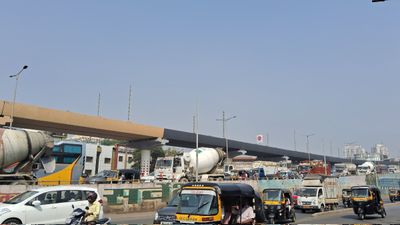 Mumbai Metro Line 9 Set for April 3 Launch, Dahisar-Mira Bhayandar to Get Direct Boost
 -
 Hyderabad Gold Silver Rate Today, 31 March 2026: Gold And Silver See Fresh Movement, Check Latest City Rates
 -
 Gold Silver Rate Today, 31 March 2026: City-Wise Prices, MCX Trend As Gold Rises And Silver Slips
 -
 Rahul Arunoday Banerjee Autopsy Report: Actor Was Underwater For Over An Hour, Sand Found In Lungs
 -
 Thunderstorm Warning In Delhi NCR: IMD Issues Orange Alert Amid Sudden Weather Shift
 -
 Trump Hints At Breakthrough With Iran Amid War Escalation, Calls Recent Move A ‘Sign Of Respect’
 -
 UP STF Nabs Maulana Abdullah Salim Over Controversial Comment On CM Yogi's Mother



 Click it and Unblock the Notifications
 Sign in with Google