


Bridging Innovation and Compliance: Ensuring Data Security in Medical Education
Rohit Reddy Prabhakar addresses data security challenges in medical education. His strategies highlight the balance between innovation and compliance, ensuring student privacy.


In the world of medical education, data security is of utmost importance in ensuring the safety and privacy of students and faculty alike. With the increasing reliance on digital platforms for storing and sharing sensitive information, institutions are tasked with not only adopting innovative technologies but also ensuring they comply with strict privacy regulations.

AI-generated summary, reviewed by editors
These challenges are particularly dangerous in environments where medical training data, clinical records, and student assessments are handled daily. One individual who has significantly contributed to addressing these concerns is Rohit Reddy Prabhakar, a distinguished professional who has made a mark in securing data within medical education institutions. As a leader in data security, he has focused on creating strong security frameworks that support educational innovation while safeguarding sensitive data.
Rohit has researched on the need for strong data security in cloud-based systems used by higher education. In his paper, “Enhancing Data Security in Higher Education Administration: Strategies for Protecting Student Information and Institutional Integrity in Cloud-Based Systems,” he suggests solutions like encryption, access controls, and emerging technologies such as blockchain and AI to address the risks.
Mentioning notable achievements, he discussed, “I oversaw the design and deployment of an encrypted platform for storing student records, clinical training data, and assessment results, ensuring that all practices adhered to healthcare and educational privacy regulations.” The adherence to guidelines including FERPA and HIPAA was ensured, that are essential in maintaining privacy in both medical education and practice.
He also focused on creating policies to reduce compliance issues and build trust. Additionally, he integrated secure technologies into the curriculum, ensuring data security measures didn't hinder modern teaching methods.
However, he reported that he encountered several challenges in his work, “One significant challenge involved aligning diverse stakeholders, who all had varying levels of technical proficiency and different views on how stringent security measures should be.”The benefits of uniform security standards had to be highlighted, which reduced incidents and improved compliance, creating a stronger security culture where faculty and students shared responsibility for data protection.
Discussing key strategies, he mentioned regular vulnerability assessments. These analyses, which included penetration testing and scenario exercises, helped identify potential risks before they could affect the system. Furthermore, by instituting mandatory training modules and workshops, he promoted best practices in secure communication and cyber hygiene, ensuring that all staff were well-versed in the latest security protocols.
But of course, he had to overcome his share of obstacles along the way. Updating legacy systems, which lacked modern security features, proved to be one of the most difficult challenges. To solve this, a step-by-step upgrade plan was used to avoid disrupting important academic and administrative tasks. This careful approach, along with awareness programs, helped balance new teaching methods with data privacy.
The efforts translated into remarkable improvements, including quicker response times to security threats, a lower incident rate, and enhanced engagement from staff in data protection initiatives. The institution's proactive approach to security fostered an environment where digital tools and innovative teaching methods could be utilized without compromising privacy or regulatory compliance.
Finally, the future of medical education will rely more on adaptive technologies and data analytics, but ensuring data security will remain crucial. Institutions should take small steps, starting with the most critical vulnerabilities, and build a culture of security awareness. By doing so, they can balance compliance with innovation, allowing staff and students to use digital tools while keeping sensitive data secure.
-
 LPG Crunch: Karnataka Brings New SOPs, Makes PNG Registration Mandatory for Businesses
 -
 Hyderabad Gold Silver Rate Today, 30 March 2026: Check Fresh 24K, 22K, 18K Gold And Silver Prices In City
 -
 Opinion Poll For Kerala Assembly Election 2026: Ldf Strength In Kannur And Kasaragod
 -
 Tamil Nadu Polls 2026: Vijay Reveals Rs 645 Crore Assets, Rs 266 Crore in Banks; Know All His Declaration
 -
 Mumbai Metro Line 9 Set for April 3 Launch, Dahisar-Mira Bhayandar to Get Direct Boost
 -
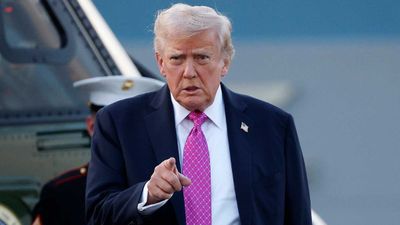 Trump Hints At Breakthrough With Iran Amid War Escalation, Calls Recent Move A ‘Sign Of Respect’
 -
 Rahul Arunoday Banerjee Autopsy Report: Actor Was Underwater For Over An Hour, Sand Found In Lungs
 -
 West Bengal Assembly elections: Election Commission transfers heads of 173 police stations
 -
 Delhi Weather Brings Relief: IMD Issues Yellow Alert For Rain, Thunderstorms And Gusty Winds; Check Forecast
 -
 Tamil Nadu Elections 2026: Vijay Files Nomination Same Day as MK Stalin, Sets Up Symbolic Political Face-Off
 -
 Too Close To Call? 57 Key Seats Could Decide West Bengal Election 2026 As TMC And BJP Gear Up For Tight Battle
 -
 IPL 2026 RR vs CSK Live Streaming: How to Watch Rajasthan Royals vs Chennai Super Kings Match Today



 Click it and Unblock the Notifications
 Sign in with Google