


Union Budget 2026: Public Hopes For Action On Healthcare Costs and Insurance Premiums in Budget


With health insurance premiums climbing and hospital bills rising sharply, Indian households are increasingly looking to the Union Budget for relief from mounting healthcare expenses. Medical inflation is growing faster than overall inflation, squeezing disposable incomes and forcing many families to rethink health insurance cover and long-term financial plans.
The pressure is most visible among salaried and middle-class families who rely heavily on private hospitals. Many are downgrading policies, postponing treatments, or dipping into savings to manage medical emergencies. As Budget discussions gather pace, taxpayers are expecting targeted measures to contain healthcare costs and slow the rise in insurance premiums.
AI-generated summary, reviewed by editors

What people want the Budget to address
A key expectation from the Union Budget is action to control medical inflation, which is estimated at 12-15% annually. Treatment costs for serious illnesses have surged over the past five years, with expenses for cancer care, transplants and chronic conditions rising far faster than incomes. As a result, many policyholders find their existing sum insured no longer sufficient.
Families want the government to use the Budget to ease this burden through regulatory and tax measures that make healthcare more affordable and insurance more viable over the long term.
GST relief on hospital rooms tops the wish list
One of the most widely discussed expectations is a review of GST on hospital room rents. Currently, rooms costing more than ₹5,000 per day attract GST - a threshold that no longer reflects current market rates, especially in urban areas where even standard private rooms exceed this level.
Patients and industry experts argue that removing or revising this GST slab would offer immediate relief, lower hospital bills, and help reduce overall medical inflation. For many families, this is seen as a practical, patient-friendly step the Budget can deliver quickly.
Stronger regulation and transparency demanded
Another major expectation is tighter oversight of hospital pricing and billing practices. Patients often struggle to understand complex bills and discharge summaries, leading to concerns about overcharging. There is growing demand for the Budget to empower regulators to improve transparency and standardise billing formats across hospitals.
Experts suggest expanding the role of IRDAI in claims scrutiny and linking health claims systems more closely with audit mechanisms. A stronger regulatory framework, backed by Budgetary support, could discourage inflated billing and improve trust between hospitals, insurers, and patients.
Relief from rising health insurance premiums
Policyholders are also hoping the Union Budget will help slow the steady rise in health insurance premiums, which are expected to increase by 10-15% in the coming year. Rising claim costs are pushing insurers to raise premiums, hitting young earners and families covering elderly parents the hardest.
Closer coordination between insurers, hospitals and government agencies - potentially encouraged through Budget provisions - could help control costs and protect policyholders from frequent premium shocks.
Expanding coverage and protecting households
While health insurance coverage has expanded over the past decade, penetration remains at around 40-42%. Many households remain vulnerable to large out-of-pocket medical expenses. People expect the Union Budget to support broader coverage, strengthen public-private healthcare systems, and reduce financial shocks from illness.
For millions of families, the upcoming Budget is seen as a crucial opportunity to address rising medical costs through GST relief, stronger regulation, better transparency and insurance-friendly policies. Without such measures, medical inflation is likely to continue eroding household savings and undermining financial security.
-
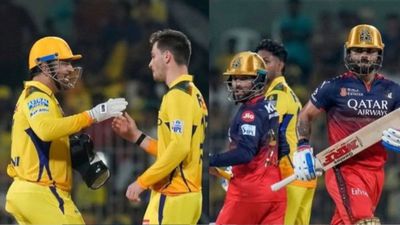 RCB Vs CSK IPL 2026 Tickets At Chinnaswamy: Official Sale, Metro Perks, And Entry Guidelines
 -
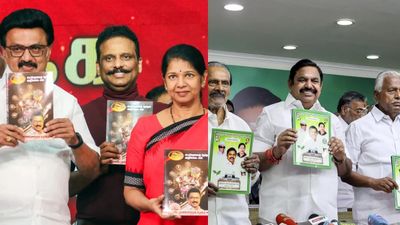 Tamil Nadu Election Predictions: AIADMK Fails To Unseat Stalin's DMK, Says Pre Poll Survey
 -
 Hyderabad Gold Silver Rate Today, 1 April 2026: Check 18K, 22K, 24K Gold And Silver Prices In Nizam City
 -
 Bangalore Gold Rate Today, 1 April 2026: Latest IBJA Gold Rates, Bhima, Abharan, Jos Alukkas, GRT Prices
 -
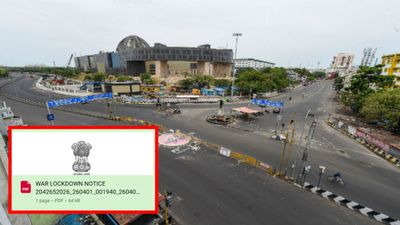 War Lockdown Notice Goes Viral Over Iran Claims, Sparks Panic Online
 -
 Gold Silver Rate Today, 1 April 2026: City-Wise Prices Rise Sharply, MCX Gold And Silver Surge
 -
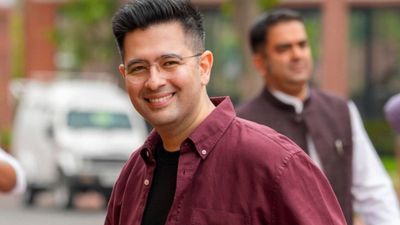 Can Raghav Chadha Be The PM? How His Parliament Speeches On Real Issues Won Public Attention
 -
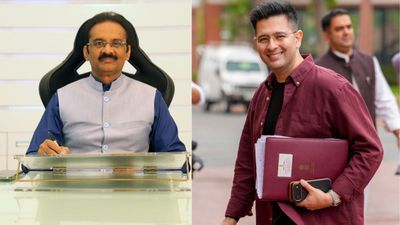 Who Is Ashok Mittal? The Man Replacing Raghav Chadha In Rajya Sabha, From Sweet Shop Roots to Parliament
 -
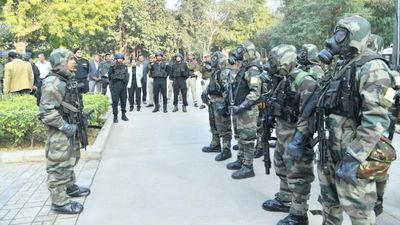 Civil Defence Mock Drill in Delhi At 8 PM Today: Full Schedule of Locations and Timings Released
 -
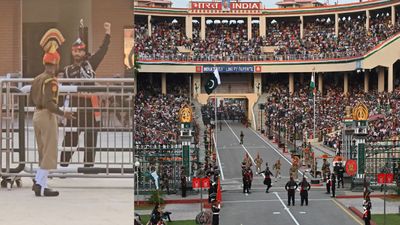 Wagah Border Viral Video: BSF Jawan’s Funny Reply To Pakistan Guard Wins Internet
 -
 Hyderabad Gold Silver Rate Today, 2 April 2026: Know Latest Gold and Silver Prices In Nizam City
 -
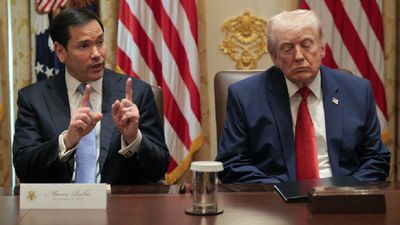 Iran-US War: Donald Trump’s Missteps And The NATO Paradox



 Click it and Unblock the Notifications
 Sign in with Google