


Madras High Court Says Udhayanidhi Stalin’s Sanatan Dharma Remarks Amount to Hate Speech


The Madras High Court has set aside criminal proceedings against BJP IT cell head Amit Malviya, holding that his social media response to Tamil Nadu Deputy Chief Minister Udhayanidhi Stalin's remarks on Sanatan Dharma did not amount to a criminal offence. The court found that Malviya's characterisation of the minister's speech as genocidal fell within the bounds of lawful expression, particularly as it came from a person belonging to the community he believed was being targeted.
Justice S Srimathy, who heard the matter, took the view that the controversy could not be examined in isolation from the original speech that triggered the reaction. The judge observed that Udhayanidhi Stalin's public call to "abolish" Sanatan Dharma was itself capable of being understood as hate speech directed at Hindus who follow the belief system. In that context, the court said, a critical or even sharp response to such remarks could not automatically attract criminal liability.
AI-generated summary, reviewed by editors

The FIR against Malviya had been registered by Tiruchy police following a complaint from an advocate associated with the DMK, who alleged that the BJP leader's post promoted enmity and public disorder. Malviya had described the minister's remarks as a call for genocide, prompting the police action.
While examining the case, the court closely analysed the Tamil word "Ozhippu", repeatedly used by Udhayanidhi Stalin in his speech. The term, the judge noted, translates to "abolish". Justice Srimathy reasoned that when a religious belief is spoken of in terms of eradication or abolition, it is open to interpretation that its followers are being targeted for elimination or cultural erasure. On that basis, the court held that Malviya's interpretation, even if strongly worded, could not be criminalised.
The judgment also expressed concern over what it described as selective enforcement of hate speech laws. Justice Srimathy noted that swift action had been taken against individuals responding to the minister's remarks, while no comparable legal steps appeared to have been initiated against the original speech. The court said this raised troubling questions about consistency in the application of the law.
Referring to an earlier order of the Madras High Court from March 2024, which had also categorised Udhayanidhi Stalin's Sanatan Dharma remarks as hate speech, the judge underscored that opposing such speech, particularly when it comes from a constitutional functionary, cannot itself be treated as a criminal act. The court also recorded that Malviya had neither incited violence nor called for protests or unrest.
The judgment placed the dispute within the broader historical context of ideological opposition between the Dravidian movement and Hindu religious traditions. Seen against that backdrop, the court concluded that Malviya's post questioned the implications of the minister's remarks rather than seeking to inflame fresh hostility.
In view of these findings, Justice Srimathy ruled that the continuation of criminal proceedings against Amit Malviya would amount to an abuse of the legal process. The court stressed that in politically sensitive matters involving allegations of hate speech, authorities must first examine the speech that sparked the controversy before acting against those who respond to it.
-
 Kerala Elections 2026: LDF, UDF, NDA Promise ₹3,000 Pension, Women Welfare in Focus
 -
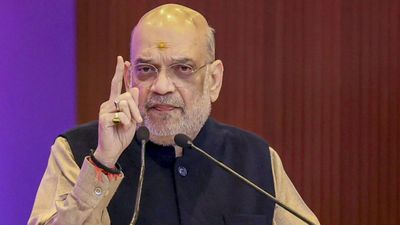 Amit Shah Leads Massive Bhabanipur Roadshow, Urges Fear-Free Voting And Backs Suvendu Adhikari Against TMC
 -
 Gold Rate Today 1 April 2026: Latest IBJA Gold Rates, Tanishq, Kalyan, Malabar, Joyalukkas Prices
 -
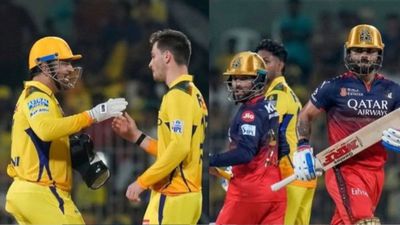 RCB Vs CSK IPL 2026 Tickets At Chinnaswamy: Official Sale, Metro Perks, And Entry Guidelines
 -
 Hyderabad Gold Silver Rate Today, 1 April 2026: Check 18K, 22K, 24K Gold And Silver Prices In Nizam City
 -
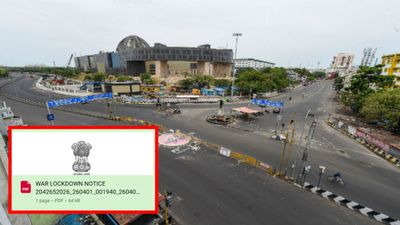 War Lockdown Notice Goes Viral Over Iran Claims, Sparks Panic Online
 -
 Gold Silver Rate Today, 1 April 2026: City-Wise Prices Rise Sharply, MCX Gold And Silver Surge
 -
 Laid Off After 20 Years Via Email: Oracle Faces Criticism As Viral Post Highlights Cancer Patient’s Job Loss
 -
 Iran-US War: Donald Trump’s Missteps And The NATO Paradox
 -
 Trump Says Iran Is ‘Incapable’ Of Building Nuclear Weapon, US Will Be Out ‘Pretty Quickly’
 -
 Tamil Nadu Election Predictions: AIADMK Fails To Unseat Stalin's DMK, Says Pre Poll Survey
 -
 Bangalore Gold Rate Today, 1 April 2026: Latest IBJA Gold Rates, Bhima, Abharan, Jos Alukkas, GRT Prices



 Click it and Unblock the Notifications
 Sign in with Google