


Bengaluru's Water Tariff Hike Explained: 3 Reasons for the Proposed Increase


The Bangalore Water Supply and Sewerage Board (BWSSB) is grappling with financial strains due to a significant gap between its revenue and operational costs. Presently, the board spends about Rs 170 crore monthly, yet it only garners Rs 129 crore from water tariffs, resulting in a deficit of Rs 41 crore. This situation is exacerbated by the costs associated with the Cauvery Fifth Stage project, which has increased monthly electricity expenses by Rs 40 crore.

Operational Challenges and Financial Pressures
The operational challenges faced by the BWSSB are multifaceted, encompassing rising maintenance costs, employee salaries, and pensions. These expenses have surged significantly over the past decade, with electricity costs alone escalating by 107.3% between November 2014 and March 2024. Additionally, overall operating expenses have seen an increase of 122.5%, while salary and pension expenditures have grown by 61.3%. This financial strain underscores the urgent need for tariff revisions to ensure the BWSSB's viability and its crucial services to Bengaluru, one of the fastest-growing cities globally.
Government Response and Public Reaction
Deputy CM Shivakumar has emphasized the critical nature of the situation, highlighting illegal water extraction as a significant concern. He remarked, "There is a big problem in the BWSSB... Water is being taken out illegally. We are requesting everyone to make connections and pay money." The government's push for reforms includes not only tariff adjustments but also infrastructure improvements, such as the implementation of the Cauvery project's sixth stage. However, the proposal for increased water tariffs has been met with opposition. MLA Uday Garudachar, representing the BJP, acknowledges the need for a tariff revision but advocates for its postponement, given the economic pressures on residents from other hikes and taxes.
The BWSSB's efforts to keep pace with Bengaluru's rapid growth over the last decade have been hindered by its static revenue stream. The city has seen a considerable expansion in both population and geographic boundaries, placing additional demands on water and sewerage services. Without timely tariff adjustments, the board risks impairing its daily operations, delaying vital infrastructure upgrades, and ultimately failing to provide uninterrupted water supply to Bengaluru's 1.5 crore inhabitants.
This fiscal dilemma also threatens the BWSSB's ability to secure international funding for essential projects, further endangering the city's water and sanitation systems. The board's financial health is crucial for not only maintaining current operations but also for future planning and development to meet the growing needs of Bengaluru's residents.
-
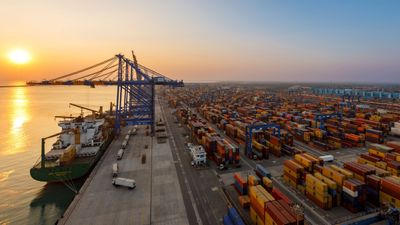 APSEZ Crosses 500 Million Tonnes Cargo Milestone, Reinforcing Its Role in India’s Growth Story
 -
 Delhi CM Rekha Gupta Attends 122nd Foundation Day of Indian Agricultural Research Institute
 -
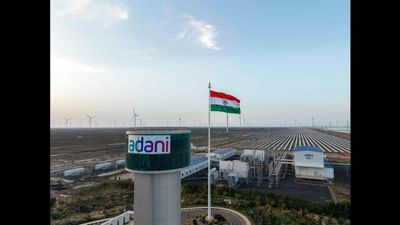 Adani Green Energy Delivers on 5 GW Commitment in FY26, Marking a Global High for Greenfield Expansion.
 -
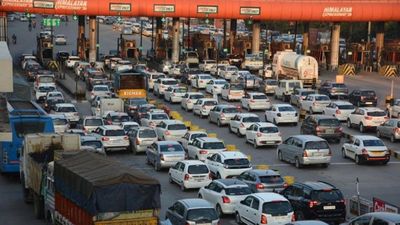 Toll Rates Revision By NHAI Tied To WPI Impacts Delhi Gurgaon Expressway Dwarka Expressway And Sohna Highway
 -
 RCB Vs CSK IPL 2026 Tickets At Chinnaswamy: Official Sale, Metro Perks, And Entry Guidelines
 -
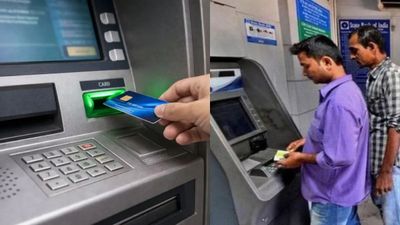 ATM Withdrawal Rule Changes Kick In Today: HDFC, PNB, Bandhan Revise Limits, Charges, UPI Impact
 -
 Stock Market Crash: Sensex, Nifty Fall as ₹51.7 Lakh Crore Wiped Out Amid Global Tensions
 -
 April 1 Rule Changes: PAN, New Tax Law, ATM, FASTag, Cards to Impact Millions, What’s Changing?
 -
 Gold Rate Today 1 April 2026: Latest IBJA Gold Rates, Tanishq, Kalyan, Malabar, Joyalukkas Prices
 -
 Gold Silver Rate Today, 1 April 2026: City-Wise Prices Rise Sharply, MCX Gold And Silver Surge
 -
 Gold Silver Rate Today, 31 March 2026: City-Wise Prices, MCX Trend As Gold Rises And Silver Slips
 -
 Mahavir Jayanti 2026: 10+ Wishes, Teachings, And The Meaning Of This Sacred Day



 Click it and Unblock the Notifications
 Sign in with Google