


Cosmetic surgery 'doesn't help those with body dysmorphic disorder'


Washington, Aug 12 (ANI): A new study has examined the impact that cosmetic surgery has on correcting body dysmorphic disorder, and found that only two percent of procedures actually reduced the severity of BDD.
Katharine A. Phillips, MD, is the director of the body image program at Rhode Island Hospital and a co-author of the paper.
"BDD is a psychiatric disorder characterized by preoccupation with an imagined or slight defect in appearance which causes clinically significant distress or functional impairment," Phillips said.
"A majority of these individuals believe they have an actual deformity that can be corrected by cosmetic treatments to fix these perceived defects rather than seeking psychiatric intervention," she stated.
In their new study, the researchers report that in a small retrospective study of 200 individuals with BDD, 31 percent sought and 21 percent received surgical or minimally invasive treatment for BDD symptoms.
Nearly all of these individuals continued to have BDD symptoms, and some actually developed new appearance preoccupations.
They also note that in a survey of 265 cosmetic surgeons, 178 (65 percent) reported treating patients with BDD, yet only one percent of the cases resulted in BDD symptom improvement.
"These findings, coupled with reports of lawsuits and occasionally violence perpetrated by persons with BDD towards physicians, have led some to believe that BDD is a contraindication for cosmetic treatment," Phillips, who is also a professor of psychiatry and human behaviour at The Warren Alpert Medical School of Brown University, said.
In terms of long-term outcomes from procedures, only 25 percent of the patients showed an improvement in their appraisal of the treated body part and showed a longer-term decreased preoccupation.
"Only two percent of surgical or minimally invasive procedures led to longer-term improvement in overall BDD symptoms," co-author Crerand stated.
The researchers also found that when treatment was sought, 20 percent of the procedures were not received.
Cost was the most common reason for not receiving the requested procedure (30 percent), followed by physician refusal to perform the procedure (26 percent).
Their findings also indicate that physicians were significantly less likely to refuse a surgical or minimally invasive treatment than other procedures (dermatological, dental and others).
"This suggests that many surgeons were not aware of the patient's BDD or do not consider BDD a contraindication to treatment. In a survey of 265 cosmetic surgeons, only 30 percent believed that BDD was always a contraindication to surgery," Phillips said.
The study has been published in Annals of Plastic Surgery. (ANI)
-
 Thunderstorm Warning In Delhi NCR: IMD Issues Orange Alert Amid Sudden Weather Shift
 -
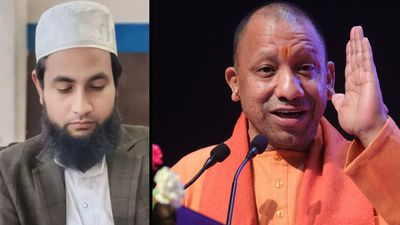 UP STF Nabs Maulana Abdullah Salim Over Controversial Comment On CM Yogi's Mother
 -
 Masood Azhar’s Brother Mohammad Tahir Dies In Pakistan Under Mysterious Circumstances, Cause Yet To Be Known
 -
 VerSe Innovation Appoints P.R. Ramesh as Independent Director and Chair of Audit Committee to Strengthen Governance Ahead of Next Phase of Growth
 -
 “Not Going To Be There Too Much Longer”: Trump Signals Endgame In Iran War
 -
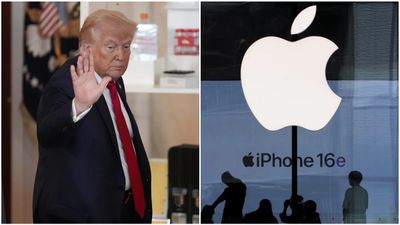 Iran Threatens To Hit US Companies in Region From April 1, Names Microsoft, Apple, Tesla, Boeing
 -
 ‘IPL Official’ Found Dead in Mumbai Hotel, Probe Underway
 -
 Leander Paes To Contest West Bengal Assembly Elections 2026? Tennis Star Joins BJP Ahead of Assembly Polls
 -
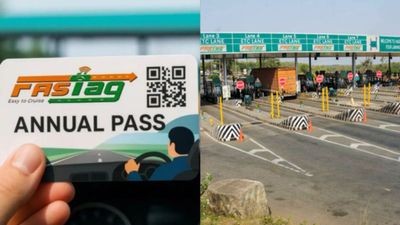 April 1 Rule Changes: PAN, New Tax Law, ATM, FASTag, Cards to Impact Millions, What’s Changing?
 -
 China, Pakistan Call for Immediate Ceasefire in Iran War, Push Peace Talks ‘As Soon As Possible’
 -
 Iran’s New Hormuz Plan Targets Global Shipping with Tolls, What Does It Mean?
 -
 Are Banks Closed or Open Today on Mahavir Jayanti? RBI Issues Special March 31 Instructions



 Click it and Unblock the Notifications
 Sign in with Google