


Mumbai’s Metro 3 Success Fuels Push For Underground Delhi Metro Corridors


The success of Mumbai's fully underground Metro 3 (Aqua Line) has sparked rising demand for future Delhi Metro corridors to be built underground, senior officials revealed during a detailed presentation on India's first end-to-end underground metro system-from Colaba to SEEPZ.
The insights were shared by Ashwini Bhide, Additional Chief Secretary to the Chief Minister and Managing Director of the Mumbai Metro Rail Corporation, at the Late BG Deshmukh Memorial Lecture Series organised by the Maharashtra Chapter of the Indian Institute of Public Administration (IIPA). Additional Chief Secretary (Administrative Reforms, Excellence & Good Governance) Rajesh Aggarwal attended as the Chief Guest, while former Chief Secretary and IIPA President Swadhin Kshatriya was also present.
AI-generated summary, reviewed by editors

Bhide said large-scale infrastructure projects such as the Metro and Coastal Road are key to ensuring seamless urban mobility. Early challenges-including environmental and legal clearances, technical hurdles, and concerns raised by citizens-were resolved through thorough planning, transparent public communication, strong inter-agency coordination, and consistent community involvement.
Calling Metro 3 both an engineering feat and a milestone in social engagement, Bhide noted that despite five years of construction across dense residential and commercial zones, public trust remained intact thanks to regular updates, extensive outreach, and social media communication. She emphasised that not a single untoward incident occurred during construction due to stringent safety protocols and high-quality execution.
Mumbai's growing population and its narrow, peninsula-like geography have placed immense stress on urban infrastructure, particularly the transport network, she said. Integrated and modern solutions-such as the underground metro and coastal road-are essential to easing this pressure.
Bhide highlighted several completed mega projects, including Atal Setu, the Marine Drive-Bandra Worli Sea Link Coastal Road, and the Navi Mumbai Airport. She also listed major ongoing projects: the Bandra-Versova stretch, Versova-Dahisar-Bhayandar-Uttan-Virar Coastal Road, Western Express Highway-Samruddhi Mahamarg Link, Borivali-Thane Tunnel, Goregaon-Mulund Link Road, and the Orange Gate-Marine Drive Tunnel Road. Upcoming developments include the Virar-Alibaug Multi-Modal Corridor and the Vadhavan Port.
Aggarwal added that constructing an underground metro in Mumbai represents an extraordinary challenge-one that Maharashtra has successfully met. Such projects, he said, significantly improve the quality of public services for citizens.
-
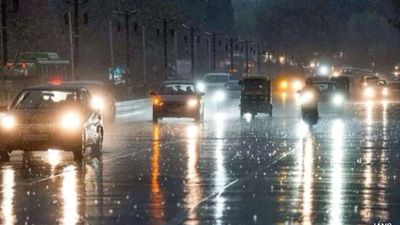 Thunderstorm Warning In Delhi NCR: IMD Issues Orange Alert Amid Sudden Weather Shift
 -
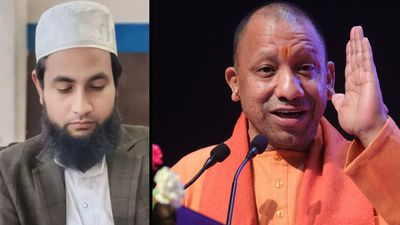 UP STF Nabs Maulana Abdullah Salim Over Controversial Comment On CM Yogi's Mother
 -
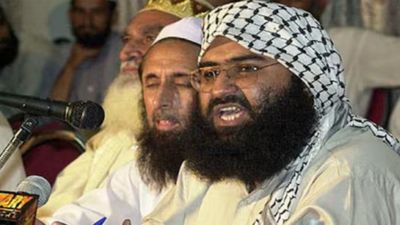 Masood Azhar’s Brother Mohammad Tahir Dies In Pakistan Under Mysterious Circumstances, Cause Yet To Be Known
 -
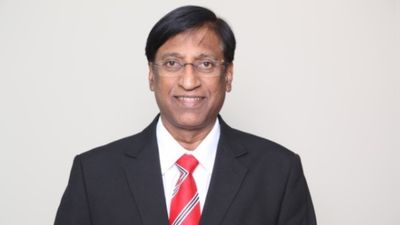 VerSe Innovation Appoints P.R. Ramesh as Independent Director and Chair of Audit Committee to Strengthen Governance Ahead of Next Phase of Growth
 -
 “Not Going To Be There Too Much Longer”: Trump Signals Endgame In Iran War
 -
 Iran Threatens To Hit US Companies in Region From April 1, Names Microsoft, Apple, Tesla, Boeing
 -
 ‘IPL Official’ Found Dead in Mumbai Hotel, Probe Underway
 -
 Leander Paes To Contest West Bengal Assembly Elections 2026? Tennis Star Joins BJP Ahead of Assembly Polls
 -
 April 1 Rule Changes: PAN, New Tax Law, ATM, FASTag, Cards to Impact Millions, What’s Changing?
 -
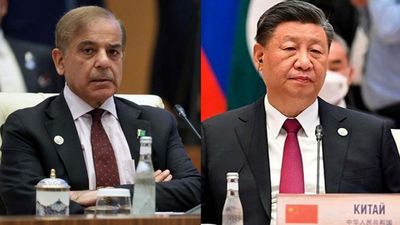 China, Pakistan Call for Immediate Ceasefire in Iran War, Push Peace Talks ‘As Soon As Possible’
 -
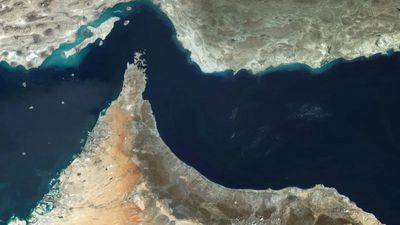 Iran’s New Hormuz Plan Targets Global Shipping with Tolls, What Does It Mean?
 -
 Are Banks Closed or Open Today on Mahavir Jayanti? RBI Issues Special March 31 Instructions



 Click it and Unblock the Notifications
 Sign in with Google