


Regular Health Checkups Are Essential for Early Detection and Prevention


Regular health checkups help you find health issues early, before they become serious. They also track key numbers like blood pressure, blood sugar, and cholesterol. This supports timely treatment and better daily habits. For many people in India, checkups also reduce sudden medical costs by spotting risks when they are easier to manage.
A health checkup is a planned visit, even when you feel well. It may include a review of your health history, a physical exam, and basic tests. Common checks include weight, BMI, blood pressure, and heart rate. Your doctor may also suggest blood and urine tests based on your age, sex, and risk factors.
AI-generated summary, reviewed by editors

Many health problems start with no clear signs. This includes high blood pressure, type 2 diabetes, thyroid problems, and some cancers. Regular screening can find changes early. Early care can slow disease, prevent harm to organs, and improve recovery. It also lowers the chance of needing urgent hospital care later.
Tracking risk factors over time
One test result is only a snapshot. Checkups create a record of your health over months and years. This helps your doctor see trends, like rising blood sugar or falling haemoglobin. It also helps set realistic health goals. Long-term tracking supports better decisions about diet, activity, sleep, and medicines.
Managing heart health and stroke risk
Heart disease risk often builds slowly. Checkups can flag high blood pressure, high LDL cholesterol, and excess waist size. If needed, your doctor may advise an ECG or other tests. Early action can include salt control, weight loss, and safe exercise. This can lower the risk of heart attack and stroke.
Preventing and controlling diabetes
Diabetes is common in India and may go unnoticed for years. Regular fasting blood sugar or HbA1c tests can detect prediabetes and diabetes. Early changes in food choices and activity can delay or prevent diabetes. For people with diabetes, checkups help monitor kidneys, eyes, nerves, and foot health.
Kidney, liver, and thyroid checks
Basic blood and urine tests can give clues about kidney and liver function. This matters if you have diabetes, high blood pressure, obesity, or long-term medicine use. Thyroid tests may be advised when there are signs like tiredness, weight change, or hair loss. Early care helps avoid long-term damage.
Cancer screening where suitable
Some cancers can be found early with screening. Your doctor may discuss screening for cervical cancer, breast cancer, and colorectal cancer based on age and risk. Screening does not prevent cancer, but it can find it sooner. Early detection often allows simpler treatment and better outcomes than late-stage care.
Vaccines and infection prevention
Checkups are a chance to review vaccines for adults and children. This can include tetanus boosters and other shots based on age, work, travel, and health status. People with diabetes, lung disease, or weak immunity may need extra protection. Vaccines reduce illness, missed workdays, and severe infection risk.
Mental health and stress screening
Stress, anxiety, and low mood can affect sleep, focus, and work. They can also worsen blood pressure and sugar control. During checkups, your doctor can ask simple questions to spot mental health concerns. Early support may include counselling, sleep advice, and, when needed, referral to a specialist.
Health checkups for children and teens
For children, routine visits track growth, weight, vision, hearing, and development. Doctors also review diet, screen time, physical activity, and school stress. Teen checkups may include advice on anaemia, acne, sleep, and mental health. These visits help parents act early and support healthy habits at home.
Health checkups for women
Women’s checkups may cover iron levels, thyroid health, and reproductive health concerns. Doctors may discuss menstrual changes, PCOS signs, and family planning. Pregnancy planning visits can review folic acid use and vaccine status. With age, screening needs may change. A doctor can guide the right tests and timing.
Health checkups for men
Men often delay care until symptoms affect work. Regular checkups can help detect high blood pressure, diabetes, fatty liver, and sleep issues. Doctors may ask about smoking, alcohol use, and stress. With age and family history, your doctor may discuss prostate health and heart risk screening as needed.
How often to get a health checkup
The right frequency depends on age, family history, and existing health issues. Many adults choose a yearly checkup. People with diabetes, high blood pressure, or high cholesterol may need visits more often. If you smoke, are overweight, or have strong family history, your doctor may suggest earlier or added screening.
How to prepare for your checkup
Before your visit, note any symptoms, past reports, and current medicines or supplements. Ask if you need fasting for blood tests. Carry your vaccination record if available. Share family history of diabetes, heart disease, cancer, and thyroid problems. Clear details help your doctor choose the right tests and advice.
-
 Who Is Ashok Mittal? The Man Replacing Raghav Chadha In Rajya Sabha, From Sweet Shop Roots to Parliament
 -
 Civil Defence Mock Drill in Delhi At 8 PM Today: Full Schedule of Locations and Timings Released
 -
 Hyderabad Gold Silver Rate Today, 2 April 2026: Know Latest Gold and Silver Prices In Nizam City
 -
 Purple Halcyon Aka Ashwani A: Who Is This Instagram Viral Girl Earning ₹70 Lakh via Subscriptions?
 -
 From Where Will Annamalai Contest TN Elections - Coimbatore North or Modakurichi?
 -
 Gold Rate In Bangalore Today, 2 April 2026: IBJA Benchmark Rates, Bhima, Abharan, Jos Alukkas, GRT Prices
 -
 Bengaluru Karaga 2026: 26-km Midnight Procession Draws Lakhs as Tradition, Devotion Light Up City
 -
 Ramayana Teaser Review: Epic Ambition Meets Work-in-Progress Visuals As Ranbir Silences Critics
 -
 April 3 Dry Day In Tamil Nadu Or Not? Status of Bars, TASMAC & Liquor Shops On Good Friday
 -
 No Cause for Panic: Iran Reassures India on Hormuz Situation
 -
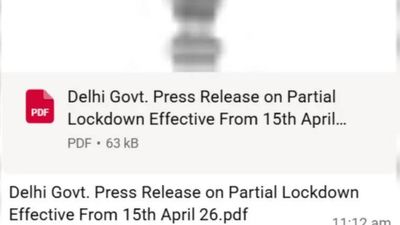 Is April 15 Lockdown in India Announcement True Amid Iran-US War Fears? How to Spot Fake News Online
 -
 Gold Silver Rate Today, 2 April 2026: City-Wise Prices, MCX Tracks Sharp Rise In Gold And Silver Across India



 Click it and Unblock the Notifications
 Sign in with Google